
 Pin it
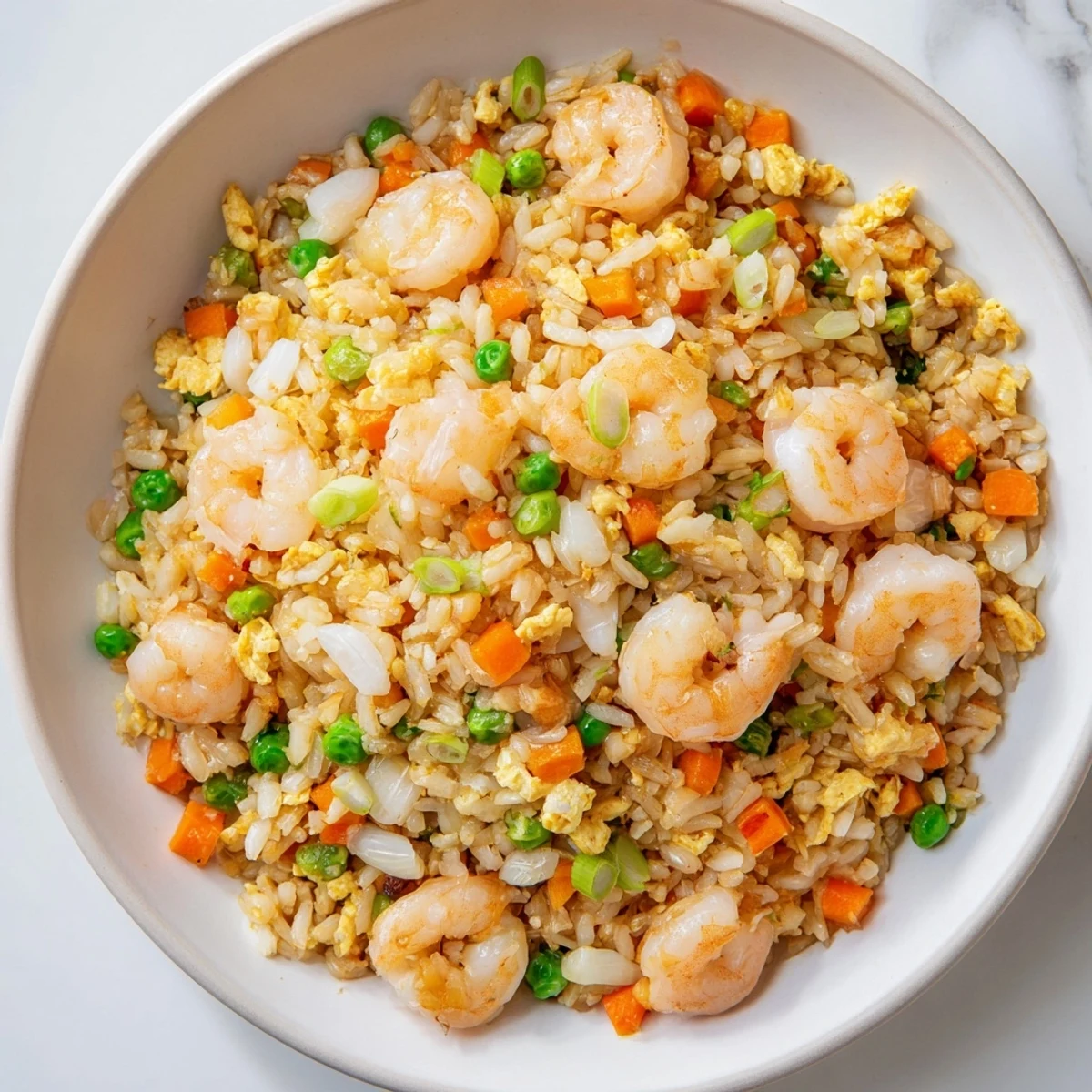
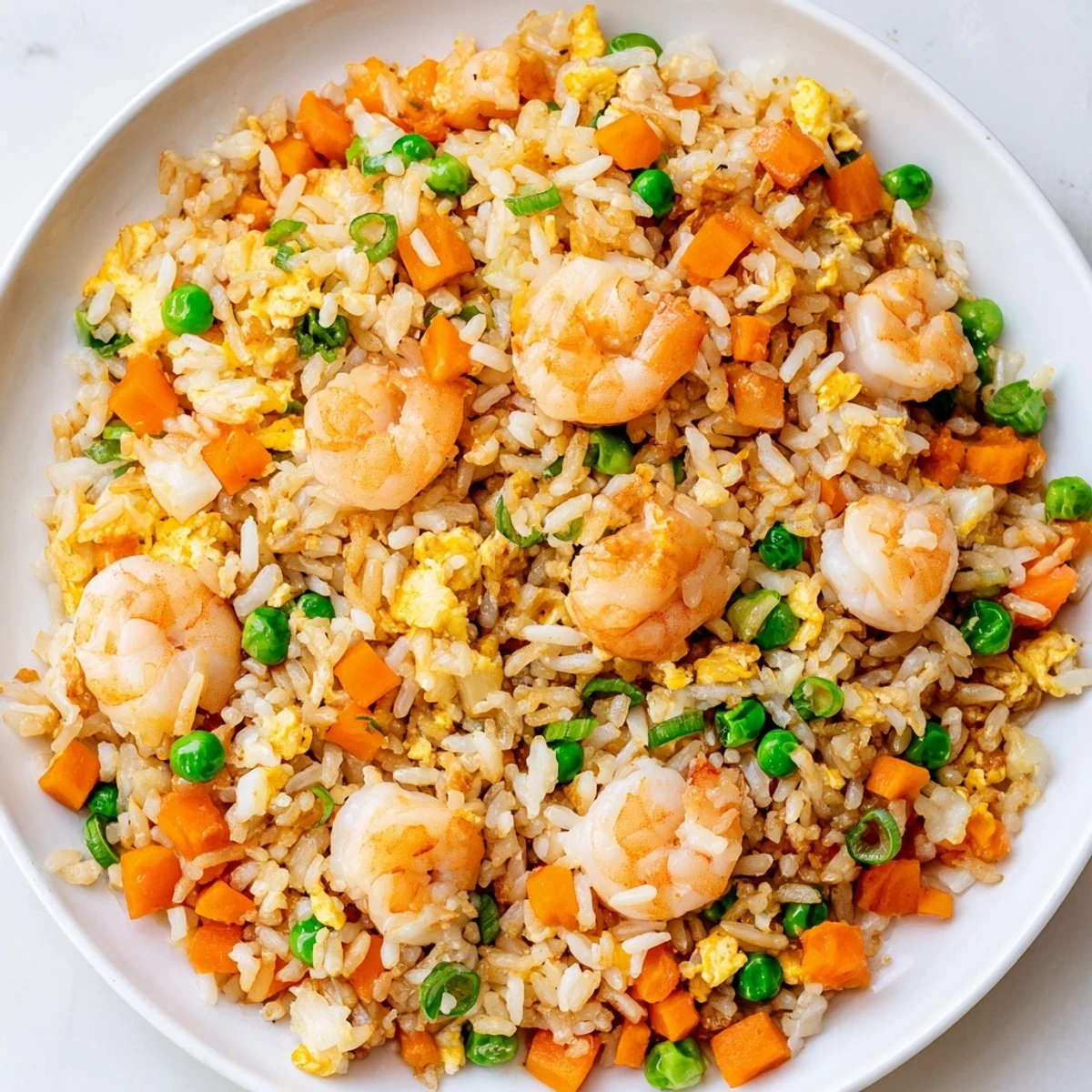
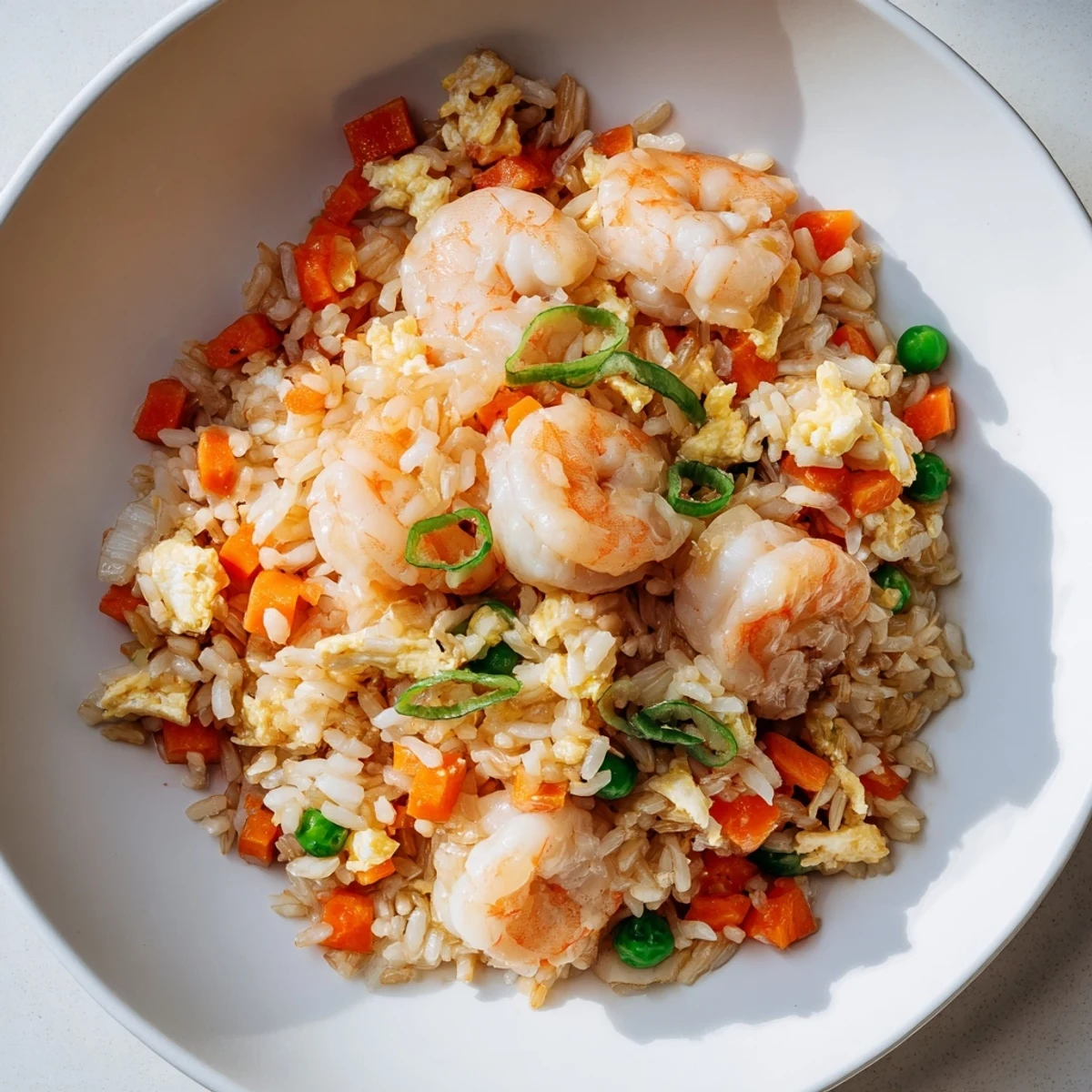
 This classic Chinese-style stir-fry combines plump, juicy shrimp with day-old jasmine rice for that perfect texture. The wok-seared vegetables—sweet peas, carrots, aromatic onions, and fragrant garlic—add layers of flavor and crunch. Each grain of rice gets coated in a balanced blend of soy sauce, savory oyster sauce, and nutty sesame oil, while scrambled eggs weave protein throughout. Finished with fresh green onions and a dash of white pepper, this dish delivers restaurant-quality results at home. Ready in just 30 minutes, it's an ideal solution for busy weeknights when you crave something hearty yet light.
The wok was hissing so loud I couldn't hear myself think, and that's when I knew this shrimp fried rice would be special. I'd been making it wrong for years—using warm, freshly cooked rice that turned into a sticky mess. The secret hit me when I watched an old cook in Chinatown push cold, day-old grains around a blistering hot wok. That night, I finally understood why good fried rice feels like each grain is dancing independently.
My roommate came home exhausted from a twelve-hour shift and the smell of sesame oil hit her at the door. She dropped her bag on the floor and stood there inhaling like she'd been underwater. We ate standing up in the tiny kitchen, burning our tongues slightly because neither of us could wait for it to cool down.
Ingredients
- 300 g medium shrimp: Peeled and deveined saves precious time and lets you focus on the stir-fry rhythm
- 4 cups cooked jasmine rice: Day-old and chilled is non-negotiable—fresh rice turns to mush instantly
- 1 cup frozen peas and carrots: Thawed first so they don't lower your pan temperature
- 1 small onion: Finely diced ensures it melts into the rice rather than dominating each bite
- 2 green onions: Thinly sliced, added last so they stay bright and fresh
- 2 cloves garlic: Minced right before cooking for maximum aromatic punch
- 2 large eggs: Beaten lightly so they scramble into soft ribbons throughout
- 3 tbsp soy sauce: Low-sodium lets you control the salt level precisely
- 1 tbsp oyster sauce: Optional but adds that umami depth that makes people ask what your secret is
- 1 tsp sesame oil: A little goes a long way—this is a finishing flavor, not a cooking oil
- ½ tsp white pepper: Subtle warmth that doesn't speckle the rice like black pepper does
- 2 tbsp vegetable oil: High smoke point is essential for that restaurant-style sear
Instructions
- Cook the shrimp first:
- Heat 1 tablespoon oil in a large wok over medium-high heat until shimmering. Add shrimp and stir-fry for 2-3 minutes until pink and just cooked through, then remove and set aside—overcooking here makes them rubbery.
- Build your aromatic base:
- Add remaining oil to the wok, then toss in onion and garlic. Stir-fry for 1-2 minutes until fragrant and translucent, keeping them moving so they don't brown or burn.
- Scramble the eggs:
- Push aromatics to the side and pour beaten eggs into the cleared space. Scramble gently until just set, still slightly runny—they'll finish cooking with the rice.
- Combine vegetables and rice:
- Add peas and carrots, stirring everything together. Add chilled rice, breaking up clumps with your spatula, and stir-fry for 2-3 minutes until each grain is separate and heated through.
- Bring it all together:
- Return shrimp to the wok and add soy sauce, oyster sauce, sesame oil, and white pepper. Stir-fry for 2 minutes until everything's evenly coated and fragrant.
- Finish and serve:
- Stir in green onions, taste for seasoning, and remove from heat immediately. Serve while piping hot, the way it's meant to be enjoyed.
 Pin it
 That weeknight dinner became our Friday tradition, even after the roommate moved across the country. We still text each other pictures whenever we make shrimp fried rice, comparing notes and swapping tiny adjustments we've discovered along the way.
The Art of Rice Preparation
Cook your rice the day before, spread it on a baking sheet, and refrigerate uncovered. This dries the surface just enough to prevent clumping while keeping the interior tender. If you forget to plan ahead, spread freshly cooked rice on a tray and freeze it for 15 minutes—it's a decent emergency fix.
Building Your Wok Skills
Heat your wok until it's smoking slightly before adding oil—this professional technique creates the characteristic sear. Listen for that sizzle when ingredients hit the pan; it tells you your temperature is right. Resist the urge to overcrowd the wok, which causes steaming instead of frying.
Make It Your Own
This recipe welcomes improvisation. Swap shrimp for leftover chicken, pork, or cubes of firm tofu. Add diced bell peppers, snap peas, or bean sprouts for extra crunch. A drizzle of chili oil or a spoonful of chili paste transforms it into something entirely new.
- Double the soy sauce mixture if you prefer a stronger flavor profile
- Crack the eggs directly into the wok and let them set before scrambling for larger curds
- Keep a small bowl of water nearby to deglaze if anything starts sticking too aggressively
 Pin it
 The best recipes aren't just instructions—they're invitations to make memories in the kitchen, one perfectly seared grain of rice at a time.
Recipe FAQs
- → Why use day-old rice?
-
Day-old, chilled rice has dried out slightly, which prevents it from becoming mushy during stir-frying. The grains separate easily and develop a nice texture that absorbs sauces beautifully while staying fluffy.
- → Can I use fresh rice instead?
-
Freshly cooked rice can work if spread on a baking sheet and refrigerated for at least 2-3 hours to dry out. Alternatively, reduce the liquid slightly when cooking fresh rice, though day-old rice consistently yields better results.
- → What protein alternatives work well?
-
Diced chicken breast, thin pork slices, or firm tofu cubes all make excellent substitutes. Adjust cooking times accordingly—chicken and pork need thorough cooking, while tofu only needs 2-3 minutes to brown and absorb flavors.
- → How do I prevent the shrimp from overcooking?
-
Cook shrimp just until they turn pink and curl slightly, about 2-3 minutes total. Remove them from the wok immediately—they'll continue cooking slightly from residual heat. Adding them back at the end warms them through without making them tough.
- → What vegetables can I add or substitute?
-
Bell peppers, snap peas, bean sprouts, corn, or diced broccoli all work beautifully. For a classic version, stick with peas and carrots. Add more delicate vegetables like bean sprouts in the last minute to maintain crunch.
- → Is this dish spicy?
-
The base version is mild with just white pepper for warmth. Add chili flakes, sriracha, or sliced fresh chilies during the final minute of cooking for customizable heat that won't overpower the delicate shrimp flavor.