
 Pin it
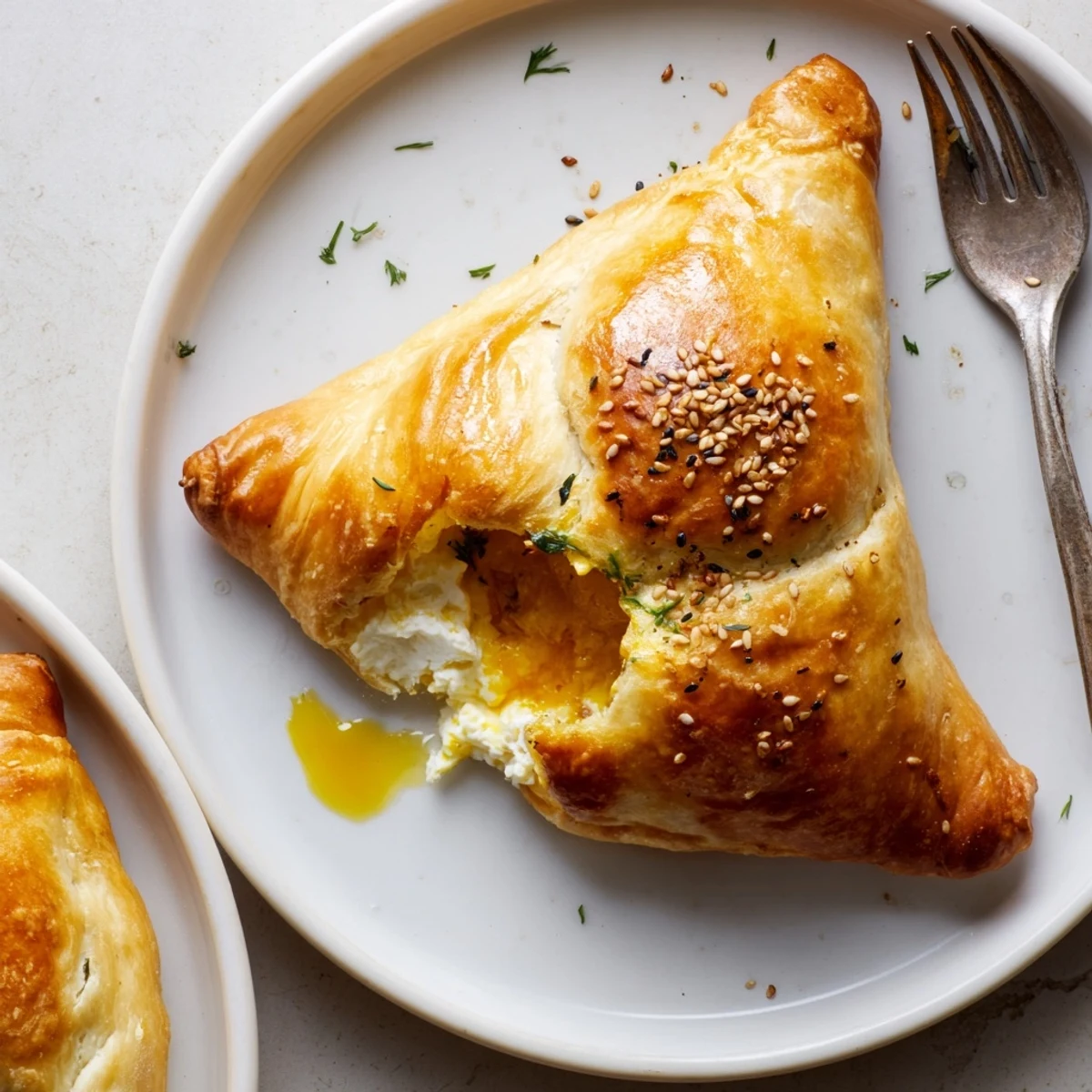
 Cheese fatayer are golden, hand-shaped pastry pockets filled with tangy feta, melted mozzarella and chopped parsley, finished with optional nigella seeds for crunch. Start with a soft, elastic dough and allow it to rise until doubled. Divide into 12 portions, spoon in the cheese mix, seal edges firmly and brush with an egg yolk wash. Bake at 190°C (375°F) until deeply golden and serve warm with herbs, tomatoes or olives.
Some afternoons demand the kind of hands-on kitchen task that lets you tune out the world, and cheese fatayer fits the bill beautifully. The smell of active yeast mingling with olive oil always reminds me why I love working with dough even on lazy weekends. Once, I overfilled the first few pockets and molten cheese bubbled through—somehow, the misshapen ones tasted the best. These gently golden pastries are just as welcome warm from the oven as they are at a picnic with friends.
The last time I made these, my friend Noor and I ended up chatting around the counter well past midnight, munching on fresh fatayer while the cooling racks filled the room with their inviting aroma. Something about kneading dough together invites all sorts of stories to bubble up—even ones you didn’t expect to share that day.
Ingredients
- All-purpose flour: This forms the dough’s backbone—sift for a lighter bite and keep some extra on hand for flouring the work surface.
- Instant dry yeast: It starts working as soon as it meets warmth; always check it’s fresh to ensure a lofty rise.
- Sugar: Just enough to feed the yeast and coax out a gentle sweetness in the dough.
- Salt: Enhances flavor and brings balance; I always measure carefully to avoid overpowering the cheese.
- Olive oil: Privately, I drizzle a touch extra for richer flavor and a tender crumb.
- Warm milk: Tempts the yeast to life while lending softness—aim for blood temperature to avoid scorching or chilling the yeast.
- Feta cheese: Salty, tangy, and crumbly, this provides the core character—drain well if it’s packed in brine.
- Mozzarella cheese: It’s the melty bridge between feta’s sharpness and the pastry’s gentle dough.
- Fresh parsley: Makes every bite pop with color and freshness—a small rinse and pat dry is key.
- Nigella seeds or black sesame seeds (optional): These little flecks give a uniquely earthy crunch—sprinkle with generosity if using.
- Egg white: Helps the filling bind together smoothly; save the yolk for glossy brushing on top.
- Freshly ground black pepper: A few grinds warm up the filling’s flavor in a subtle way.
- Egg yolk: When mixed with a splash of milk, it imparts that signature golden crust.
- Milk or water: Thins the egg yolk for an even, shiny finish—milk adds richness, water keeps it simple.
Instructions
- Gather and wake the dough:
- In a roomy bowl, combine flour, yeast, sugar, and salt, then stir in olive oil until crumbly. Gently pour in the warm milk, kneading as you go, until it pulls together into a soft, stretchy mass; add a dribble more milk if dry, then cover and let rise in a cozy corner until puffed and doubled—usually about an hour.
- Mix the cheesy heart:
- In another bowl, tumble together crumbled feta, shredded mozzarella, parsley, nigella seeds if you like, egg white, and pepper—give it a careful stir to combine without smashing every morsel.
- Prep the oven:
- Set your oven to 375°F (190°C) and line a baking sheet with parchment, which spares you scrubbing and ensures the bottoms get just the right crispness.
- Shape with intention:
- Punch down the dough—a satisfying moment—then portion into 12 bits and roll each into a ball. Flatten each ball into a 4-5 inch round circle, and try not to stress if they’re imperfect boomerangs.
- Fill and seal:
- Plunk a loaded spoonful of filling onto the center of each round, then lift the dough edges and pinch them firmly into triangles or ovals; really press those seams so the cheese stays tucked in.
- Final touches and bake:
- Arrange on the baking sheet, leaving space between each. Mix the egg yolk and milk, brush the tops, and slide into the oven for 18-22 minutes until the tops gleam golden and corners just blush.
- Cool and serve:
- Let the fatayer sit for a few minutes, then transfer to your serving plate or just snack as you go—they’re hard to resist warm.
 Pin it
 One evening, my little cousin requested a midnight snack, so we made a batch together—her laughter at pinching uneven fatayer triangles still rings in my ears. By the time we finished, the kitchen had that rare, shared warmth of small victories and full bellies.
What to Serve Alongside
I’ve discovered that cheese fatayer sing brightest with a platter of crisp cucumbers, juicy tomatoes, fresh mint, and a bowl of briny olives. Sometimes a side of yogurt dip finishes things off with just the right tanginess.
Shaping Tips for Perfect Pockets
If your dough resists at first, let it rest for five minutes—dough, like people, needs patience to relax. I’ve found that dusting the counter lightly keeps sticking at bay and makes clean-up a breeze.
Swaps and Flavors to Try
Alternating cheeses (such as ricotta or halloumi) yields entirely new personalities in the filling, and a sprinkle of za'atar or sumac on top is a fast upgrade. Play with fresh herbs; a little dill or thyme goes a long way for flavor variety.
- Try adding a pinch of chili flakes for background heat.
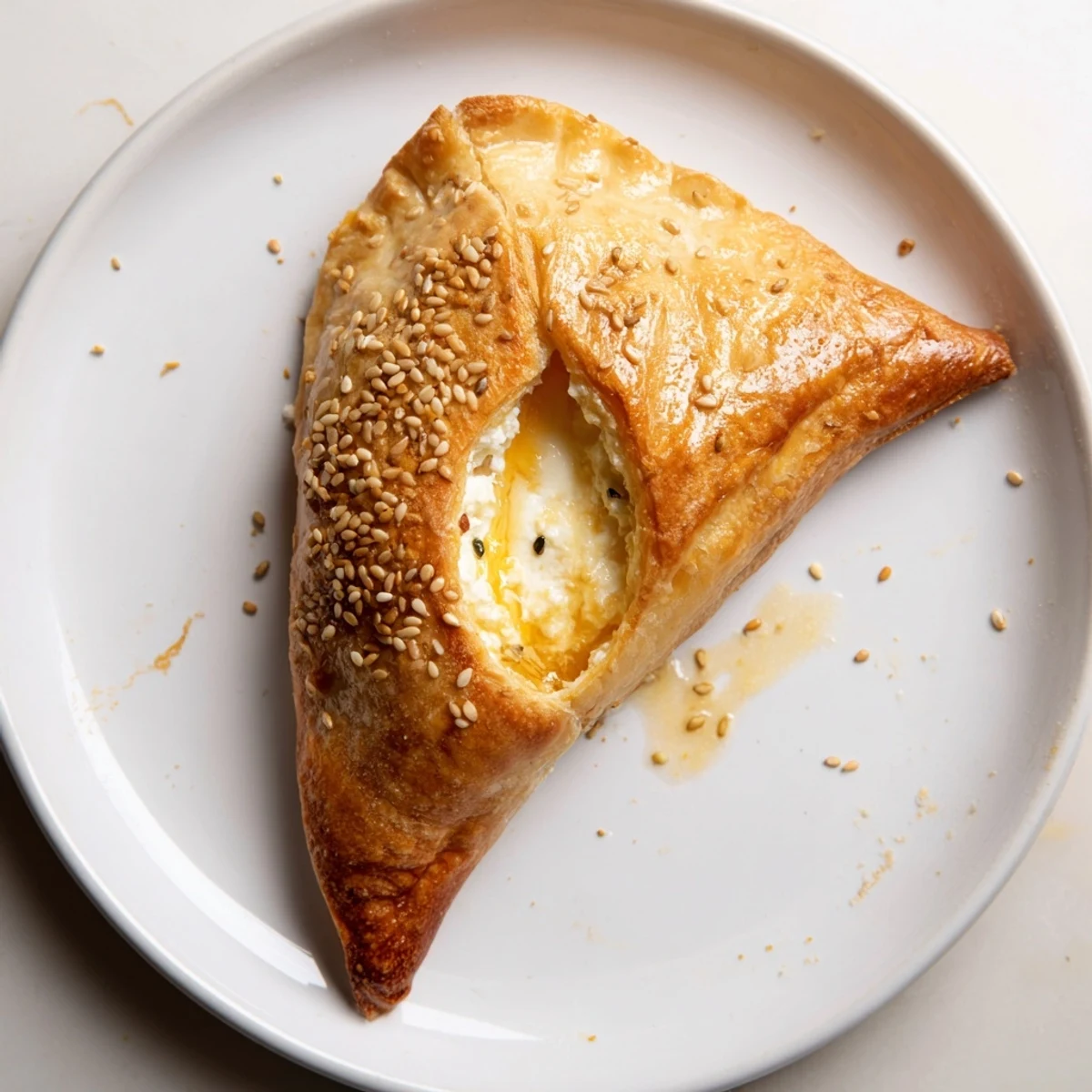
- For nutty notes, sprinkle sesame seeds on before baking.
- If storing, lightly rewarm in the oven for a crisp crust.
 Pin it
 May your kitchen be filled with the golden scent of baking, and your table with eager hands reaching for these fluffy cheese pockets. If a few turn out wonky, just call them 'rustic'—they’ll disappear fast anyway.
Recipe FAQs
- → What cheeses work best for the filling?
-
Use crumbly feta for tang and a melting cheese like mozzarella for creaminess. You can also blend in ricotta or halloumi for different textures; adjust salt if cheeses are salty.
- → How do I keep the dough soft and elastic?
-
Use warm milk and knead until smooth. Rest the dough in a warm place until doubled to develop gluten and elasticity; adding a little extra milk can help if dough feels dry.
- → Any tips for sealing the pockets without leaking?
-
Pinch seams firmly and fold edges tightly; a light dab of water on the dough edge helps seal. Avoid overfilling and leave a small border when shaping.
- → What oven temperature and timing give the best results?
-
Bake at 190°C (375°F) for about 18–22 minutes until the tops are golden brown. Rotate the tray once halfway for even coloring if your oven has hot spots.
- → Can I prepare these ahead and freeze them?
-
Yes. Shape and freeze uncooked pockets on a tray, then transfer to a bag. Bake from frozen, adding a few extra minutes, or thaw in the fridge before brushing and baking.
- → How should I store and reheat leftovers?
-
Keep cooled fatayer in an airtight container in the fridge for 2–3 days. Reheat in a 180°C (350°F) oven for 8–10 minutes to restore crispness; avoid microwaving to prevent sogginess.