
 Pin it
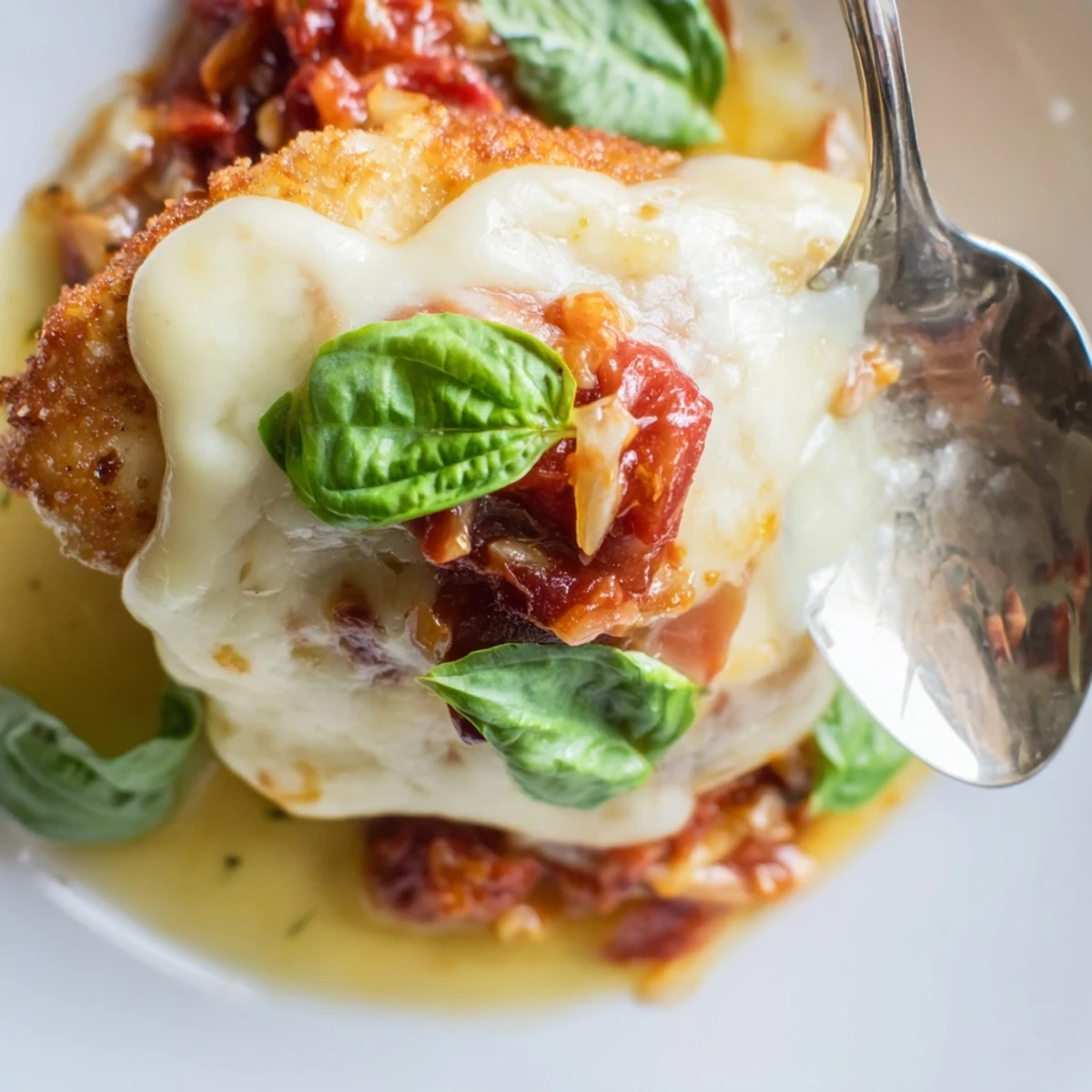
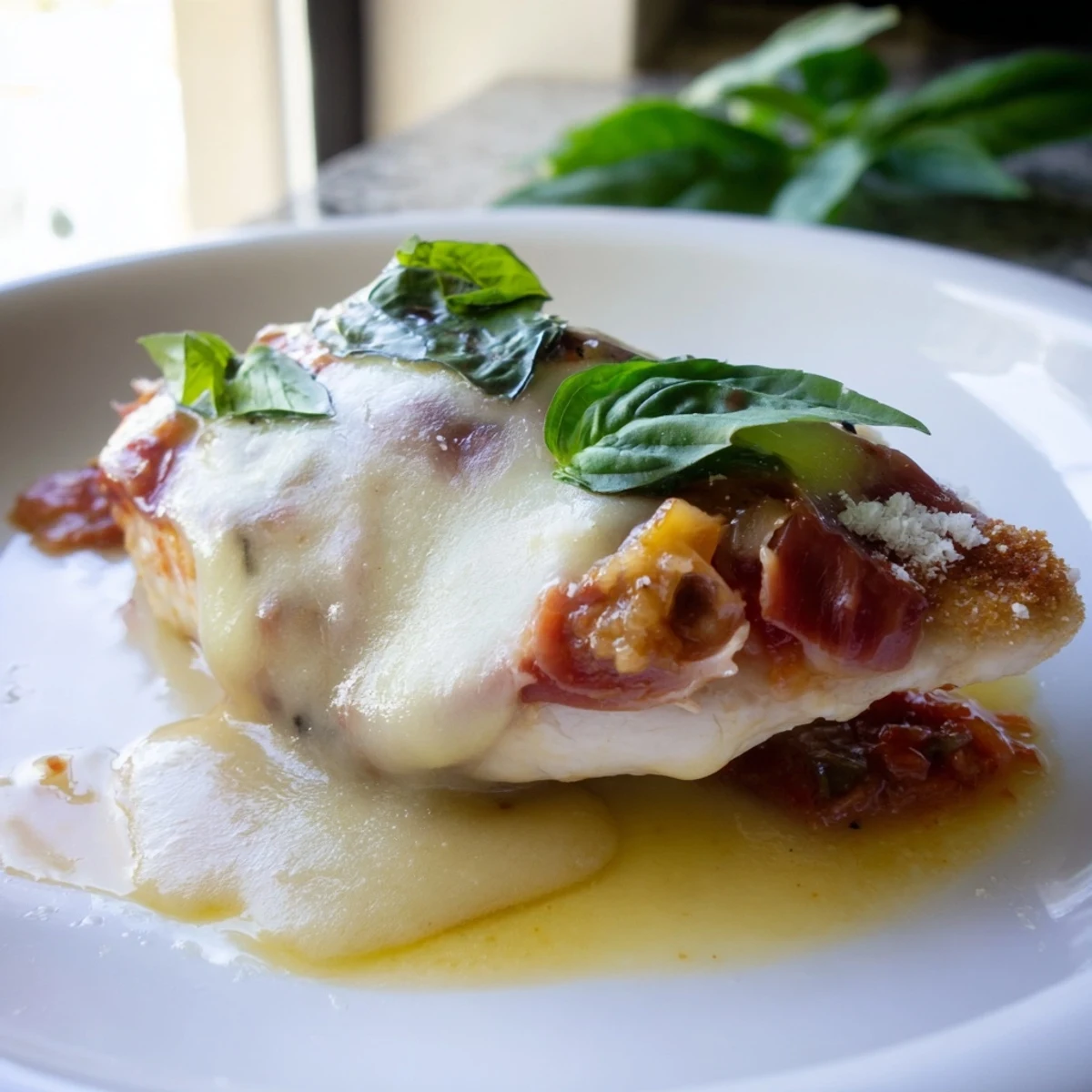
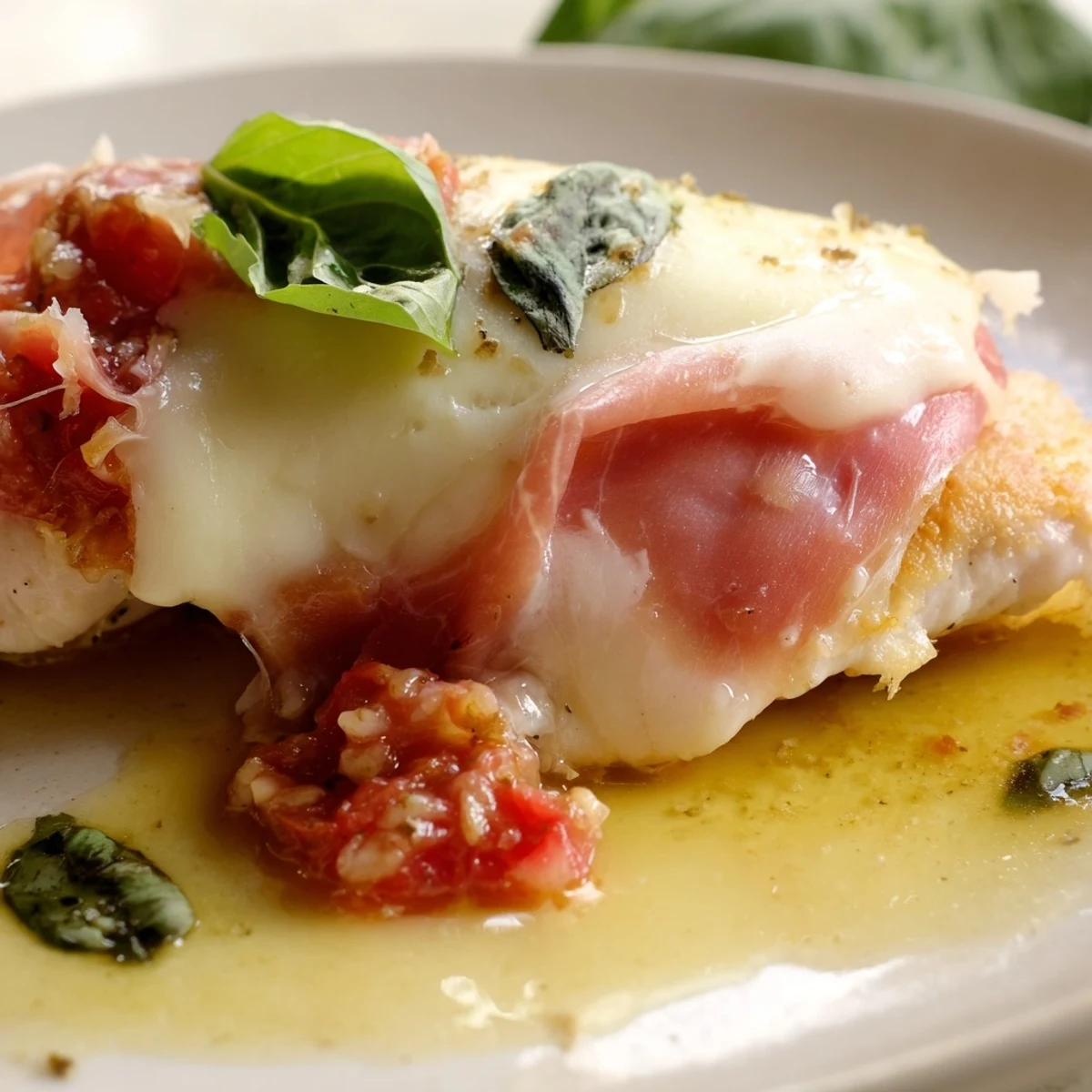
 Chicken Valdostana is a hearty Italian main course that brings together golden-seared chicken breasts, salty prosciutto di Parma, and creamy melted Fontina cheese, all nestled in a rich white wine and tomato sauce.
The dish comes together in about 45 minutes: pound and flour the chicken, sear it until golden, build a quick pan sauce with shallots, garlic, white wine, and crushed tomatoes, then top each breast with prosciutto and Fontina before finishing in the oven.
Serve it straight from the skillet with polenta, risotto, or crusty bread to soak up every bit of that flavorful sauce.
The smell of Fontina melting over prosciutto is the kind of thing that makes you close the kitchen door so nobody steals a bite before dinner hits the table. I stumbled on Chicken Valdostana during a rainy weeknight when the fridge held nothing but chicken breasts, a sad chunk of cheese, and half a pack of prosciutto I had almost forgotten about. That random combination turned into one of the richest, most satisfying dinners I have ever thrown together with barely any planning. It has since become my unofficial cold weather comfort meal.
My neighbor once knocked on my door while this was in the oven, claiming she could smell the garlic and wine sauce from her hallway. I invited her in, poured us both a glass of the same white wine I used for deglazing, and we ended up eating standing around the kitchen island because I refused to wait for the table to be set.
Ingredients
- 4 boneless, skinless chicken breasts: Pounding them to an even thickness is the secret to getting a perfect sear without drying out the edges.
- 4 slices prosciutto di Parma: The thin, silky kind melts right into the chicken and adds a gentle saltiness that soaks into the sauce beautifully.
- 120 g Fontina cheese, sliced: Fontina melts like a dream and has a nutty, earthy quality that pairs naturally with cured pork.
- 60 g all-purpose flour: Just enough to create a light crust that helps the chicken hold its shape during searing.
- 2 tbsp olive oil: Use a good quality one here because its flavor carries through the entire pan sauce.
- 80 ml dry white wine: A Pinot Grigio or Vermentino works wonderfully and you can pour the rest into your glass while cooking.
- 400 g canned crushed tomatoes: San Marzano tomatoes give the sauce a naturally sweet and less acidic backbone.
- 60 ml chicken broth: Adds depth and stretches the sauce just enough to spoon over polenta or bread later.
- 2 garlic cloves, minced: Fresh garlic sautéed in the same pan picks up all those leftover chicken bits for incredible flavor.
- 1 small shallot, finely chopped: Shallots offer a softer, sweeter bite than regular onions and dissolve into the sauce gently.
- Salt and black pepper, to taste: Season in layers, starting with the chicken and finishing with the sauce.
- 1 tsp dried oregano: A small pinch goes a long way and brings that unmistakable Italian aroma to the tomato base.
- Fresh basil leaves, for garnish: Tear them by hand right before serving so the fragrance is still sharp and bright.
Instructions
- Preheat and prepare:
- Set your oven to 200 degrees Celsius (400 degrees Fahrenheit) and let it come fully to temperature while you prepare the chicken so everything moves quickly.
- Flatten and season the chicken:
- Place each breast between sheets of parchment paper and gently pound with a mallet or rolling pin until about 1.5 cm thick, then season both sides generously with salt and pepper.
- Dredge in flour:
- Coat each piece lightly in flour and shake off the excess so you get a thin, even layer that crisps up without turning gummy.
- Sear until golden:
- Heat olive oil in a large oven-safe skillet over medium-high heat and sear the chicken for 2 to 3 minutes per side until you see a light golden crust forming, then remove and set aside on a plate.
- Build the sauce:
- In the same skillet, toss in the shallot and garlic, sauté for about a minute until fragrant, then pour in the white wine and scrape up every golden bit stuck to the bottom of the pan.
- Add tomatoes and simmer:
- Stir in the crushed tomatoes, chicken broth, and oregano, then let the sauce simmer for about 5 minutes so the flavors concentrate and the liquid reduces slightly.
- Layer and top:
- Nestle the seared chicken breasts back into the sauce and lay a slice of prosciutto and a portion of Fontina over each one, letting the edges hang over just a little.
- Bake until bubbly:
- Transfer the whole skillet into the oven and bake for 10 to 12 minutes until the cheese is fully melted, bubbling, and the chicken is cooked through to the center.
- Finish and serve:
- Scatter torn fresh basil over the top and serve immediately, spooning extra pan sauce over each portion as you plate it.
 Pin it
 There is something about pulling a sizzling skillet from the oven, cheese still bubbling and basil leaves wilting gently on top, that turns an ordinary Tuesday into a small celebration. I have made this for birthdays, apologies, and once for a friend who had just come home from the hospital and specifically requested something that tasted like a hug.
What to Serve Alongside
Creamy polenta is my absolute favorite pairing because it soaks up the tomato and wine sauce like a sponge, turning every spoonful into something luxurious. Risotto works beautifully too, especially if you keep it simple with just butter and Parmesan so it does not compete with the richness of the chicken. A chunk of crusty bread on the side is really all you need if you want to keep things casual and let the sauce be the star.
Swaps and Substitutions
If Fontina is hard to find, mozzarella or even a mild provolone will melt nicely and still give you that comforting cheese pull. For a gluten-free version, swap the all-purpose flour for a gluten-free blend or even cornstarch, which creates an equally crisp coating. You can also replace the prosciutto with thinly sliced ham if you want a milder flavor that kids tend to enjoy more.
Storing and Reheating
Leftovers keep well in an airtight container in the refrigerator for up to two days, though the cheese layer loses some of its meltiness by the second day. Reheat gently in a covered skillet over low heat rather than the microwave so the chicken stays tender and the sauce does not separate.
- Let the skillet cool completely before transferring to storage containers to avoid cracking the enamel or warping the pan.
- If freezing, wrap each portion tightly and consume within one month for the best texture when thawed.
- Always reheat the sauce until it bubbles gently around the edges to make sure it is heated all the way through.
 Pin it
 Chicken Valdostana is proof that a handful of humble ingredients, treated with a little care, can produce something that feels far fancier than the effort it took to make. Share it with someone you love, or keep the whole skillet to yourself on a night when only cheese and prosciutto will do.
Recipe FAQs
- → What does Valdostana mean in Italian cooking?
-
Valdostana refers to a style of cooking from the Aosta Valley (Valle d'Aosta) region in northwestern Italy. It traditionally features ingredients typical of that alpine area, especially Fontina cheese, which originated there. The name signals a dish enriched with melted cheese and savory cured meats.
- → Can I substitute another cheese for Fontina?
-
Yes, if Fontina is unavailable, mozzarella makes a good substitute for its melting qualities. Gruyère or provolone also work well and each brings a slightly different flavor profile while still achieving that desirable bubbly, golden melt on top of the chicken.
- → How do I know when the chicken is fully cooked?
-
The safest way is to use a meat thermometer—chicken is done when the internal temperature reaches 74°C (165°F) at its thickest part. Visually, the meat should be completely opaque with no pink, and the juices should run clear when you cut into it.
- → Can I make this dish ahead of time?
-
You can prepare the sauce and sear the chicken a few hours in advance, then refrigerate separately. When ready to serve, reheat the sauce in the oven-safe skillet, arrange the chicken, top with prosciutto and Fontina, and bake until everything is hot and the cheese has melted through.
- → What side dishes pair well with Chicken Valdostana?
-
Creamy polenta is a natural companion that soaks up the tomato sauce beautifully. Risotto, roasted vegetables, or a simple green salad also complement the richness of the dish. Crusty bread on the side is perfect for sopping up every last bit of sauce.
- → Is there a gluten-free version of this dish?
-
Absolutely. Simply swap the all-purpose flour for a gluten-free flour blend or cornstarch for dredging the chicken. The rest of the ingredients—chicken, prosciutto, Fontina, tomatoes, wine, and seasonings—are naturally gluten-free.