
 Pin it
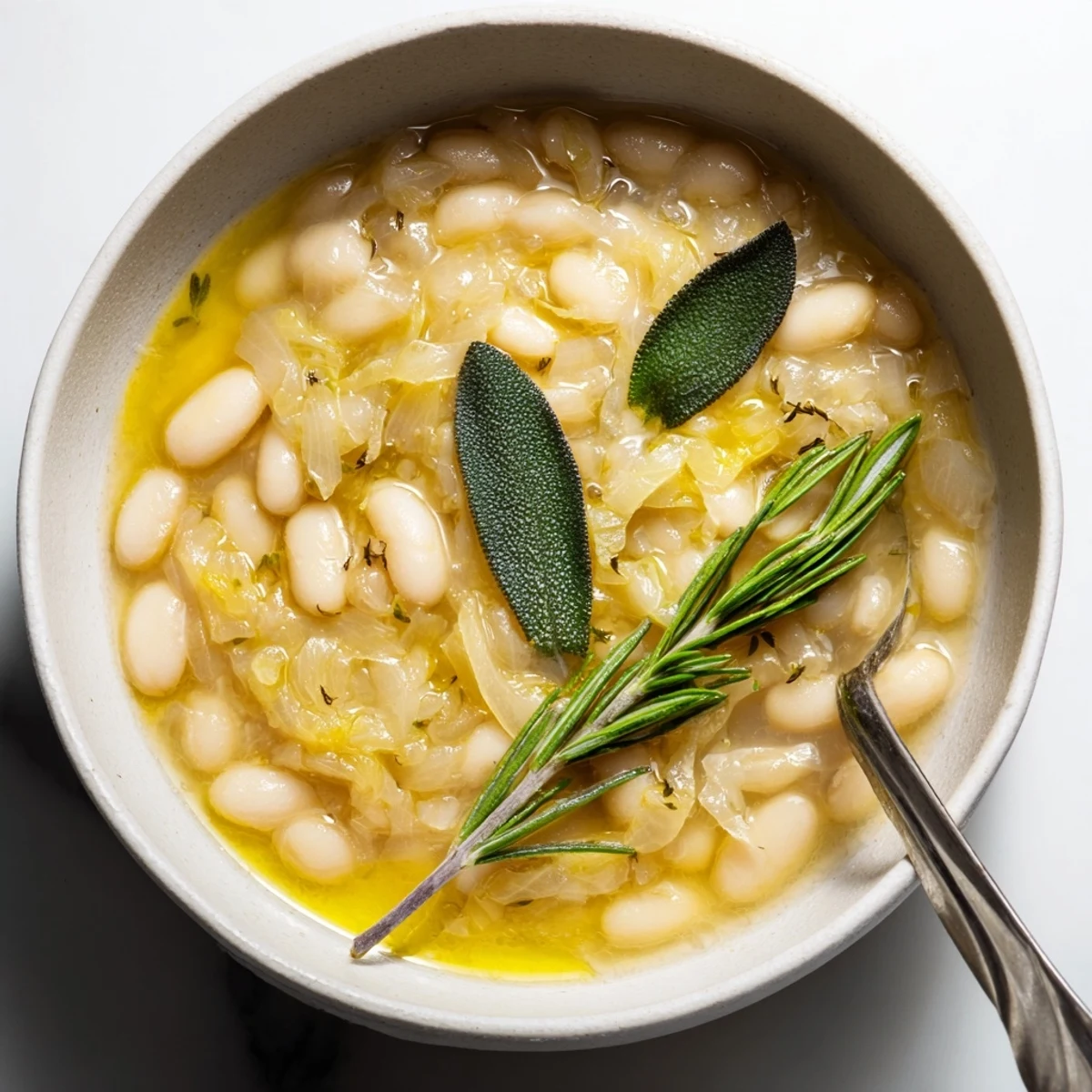
 These Tuscan white beans deliver creamy comfort through slow simmering with aromatic herbs. Fresh rosemary and sage infuse the tender cannellini beans with earthy Italian flavors, while generous olive oil creates a luxurious texture. Perfect alongside crusty bread or as a hearty base for soups, this versatile dish improves overnight and welcomes countless variations.
My tiny apartment kitchen smelled like an Italian grandmother's house the first time I made these beans. I'd just returned from Florence with a bag of dried cannellini and rosemary sprigs I'd plucked myself, determined to recreate that velvety dish I'd eaten at a quiet trattoria where the waiter kept refilling my wine glass without asking.
Last winter my friend Sarah came over during that bleak February week when everyone feels gray and tired. I simmered these beans slowly while we talked about everything and nothing, and by the time we sat down to eat, the whole apartment felt warmer, like the food itself was somehow keeping us company.
Ingredients
- 2 cups dried cannellini beans: Dried beans give you that creamy, velvety texture that canned beans just can't match, though canned works in a pinch
- 6 cups water: Fresh water for the dried beans, plus enough to keep them happily simmering
- 2 tablespoons extra-virgin olive oil: This isn't optional—good olive oil is what makes Tuscan beans sing
- 1 small yellow onion: Finely chopped so it melts into the beans rather than staying in distinct pieces
- 3 garlic cloves: Minced fresh, not jarred, because the flavor difference is stark
- 2 sprigs fresh rosemary: Fresh herbs matter here, dried rosemary would be too woody and harsh
- 4 fresh sage leaves: Sage adds this earthy, almost piney note that makes the beans taste distinctly Tuscan
- 2 cups vegetable or chicken broth: The liquid becomes part of the sauce, so use something you'd happily drink on its own
- 1 teaspoon kosher salt: Start with this, then adjust at the end since salt tolerance varies wildly
- 1/2 teaspoon freshly ground black pepper: Freshly cracked gives you those bright, spicy notes
- Pinch of red pepper flakes: Optional, but I love the subtle warmth it adds in the background
Instructions
- Get your beans ready:
- If you're using dried beans, soak them overnight in plenty of cold water so they'll cook evenly, then drain and rinse them well before they hit the pot
- Build your flavor base:
- Heat that olive oil in a heavy-bottomed pot over medium heat, add your chopped onion, and let it soften until it's translucent and fragrant, about 4 minutes
- Wake up the aromatics:
- Stir in the garlic, rosemary, and sage and cook for just 1 minute—you want them fragrant and sizzling, not browned or bitter
- Start the simmer:
- Add your beans, broth, and fresh water if you're using dried beans, then bring everything to a gentle boil before lowering the heat to a steady simmer
- Let them get creamy:
- Cook uncovered for 30 to 40 minutes for dried beans or 15 to 20 for canned, stirring occasionally and adding more liquid if they start looking dry
- Finish with love:
- Fish out the rosemary and sage sprigs, season generously with salt, pepper, and those red pepper flakes if you're using them, then drizzle with a little more olive oil before serving
 Pin it
 My dad, who's suspicious of any meal without meat, skeptically tried these beans when I made them for Sunday dinner. He went back for seconds and then asked if I could teach him how to make them, which is basically his highest compliment.
Serving Ideas That Work
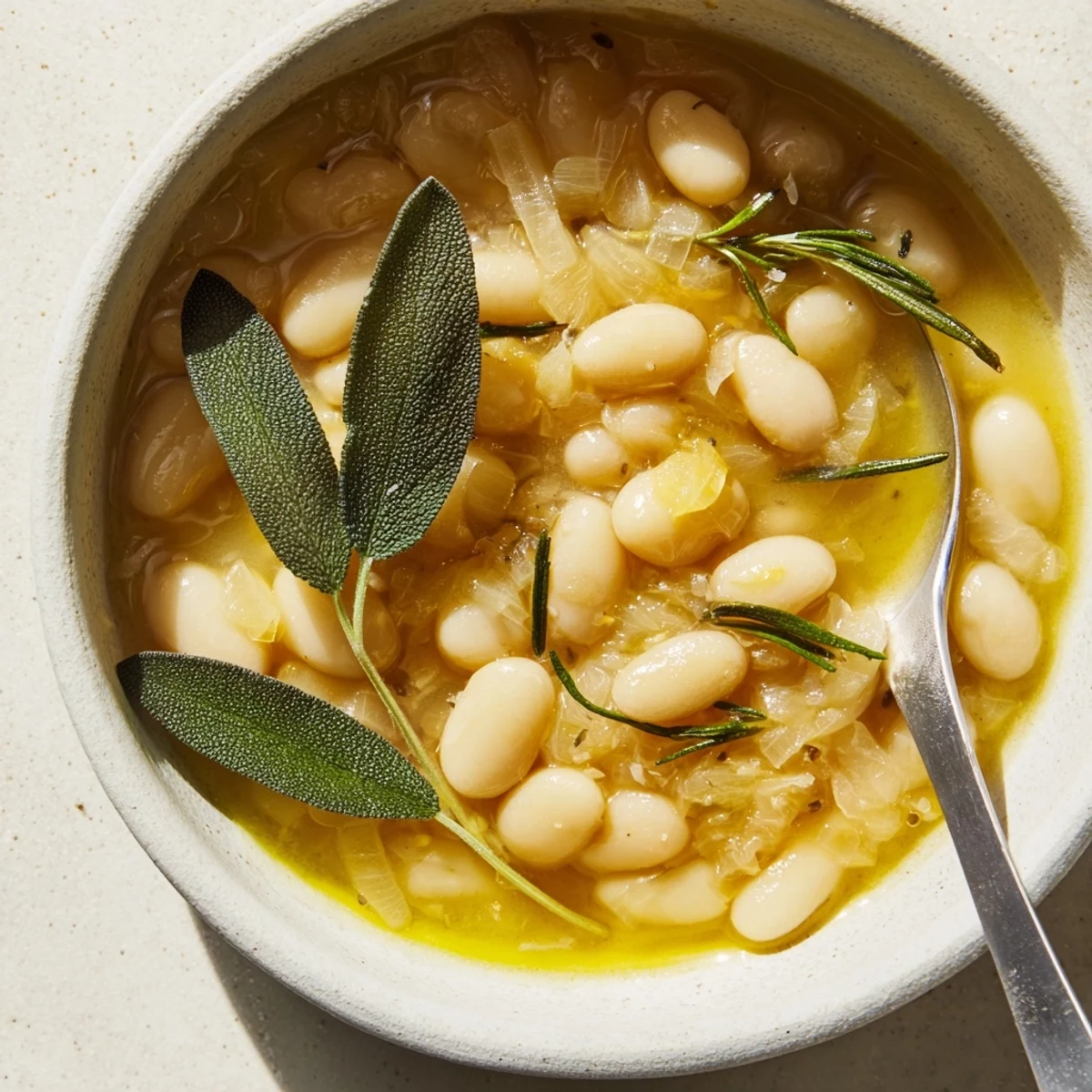
I love mashing some of the beans against the side of the pot to create a creamy sauce that clings to everything. They're incredible spooned over garlicky toast, piled onto sautéed kale, or just eaten straight from a bowl with a hunk of crusty bread.
Make Ahead Magic
These beans reheat beautifully and actually develop more flavor overnight. I'll make a double batch on Sunday and eat them throughout the week for quick lunches—the texture stays creamy and the herbs just get more pronounced.
Common Questions
Can I freeze these beans? Absolutely, portion them into freezer bags and they'll keep for months, though the texture might be slightly less creamy. Do I really need fresh herbs? Dried herbs can work, but fresh rosemary and sage are what make this dish taste like Italy. What if my beans never get creamy? Some beans just won't soften no matter how long you cook them—age and storage conditions matter more than we think.
- Always sort through dried beans before soaking to remove any small stones or debris
- Add a strip of kombu seaweed during cooking to help beans digest more easily
- Don't add salt until the beans are tender, or they might stay tough forever
 Pin it
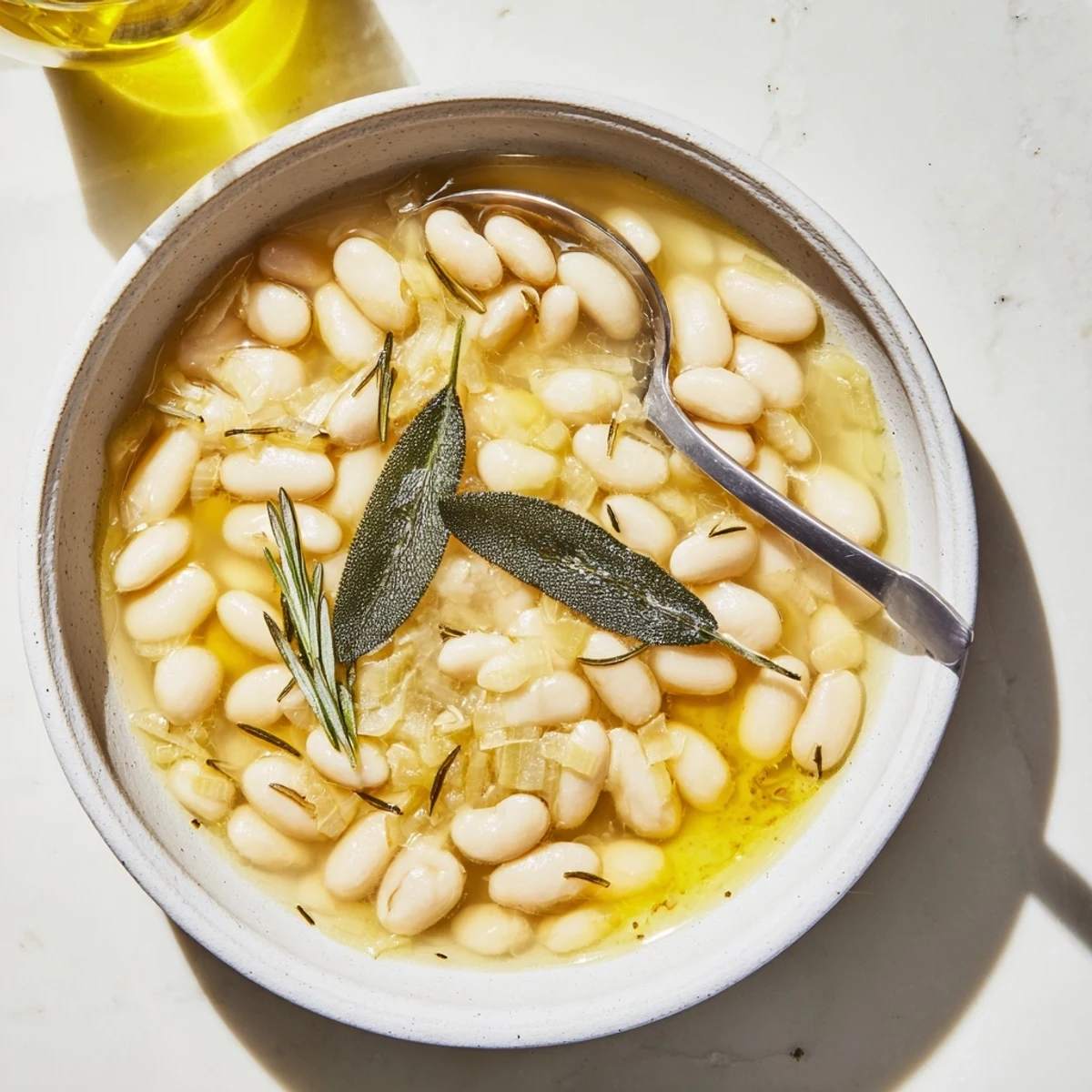
 There's something profoundly satisfying about turning dried beans into something this luxurious. Every time I make them, I'm reminded that the simplest ingredients, treated with care, can become the most memorable meals.
Recipe FAQs
- → What makes Tuscan white beans creamy?
-
The creaminess comes from slow simmering cannellini beans until they naturally break down and release their starches. Extra virgin olive oil enriches the texture, while gentle cooking prevents the skins from becoming tough.
- → Can I use canned beans instead of dried?
-
Absolutely. Use three 15-ounce cans, drained and rinsed. Reduce cooking time to 15-20 minutes since canned beans are already tender. The result will still be delicious and creamy.
- → How should I serve these white beans?
-
These versatile beans shine as a side dish alongside roasted meats or grilled vegetables. For a traditional approach, spoon over toasted rustic bread, serve over sautéed kale, or enjoy as a standalone main with crusty bread.
- → Do I really need to soak dried beans overnight?
-
Overnight soaking ensures even cooking and tender results. Short on time? Use the quick-soak method: boil beans for 2 minutes, let stand 1 hour off heat, then drain and proceed with the recipe.
- → How long do leftovers keep?
-
Stored in an airtight container, these beans refrigerate well for up to 5 days. The flavors actually deepen overnight. Reheat gently with a splash of broth or water to restore creaminess.