
 Pin it
 Crafting authentic Greek yogurt at home requires only milk and a starter culture. The process involves heating milk to 180°F, cooling to 110°F, then culturing for 6–8 hours. Straining through cheesecloth creates that signature thick texture. The result surpasses store-bought versions in creaminess and tang. Use plain yogurt with live cultures as your starter—each batch produces enough starter for the next one. The strained whey adds protein to smoothies or bread dough.
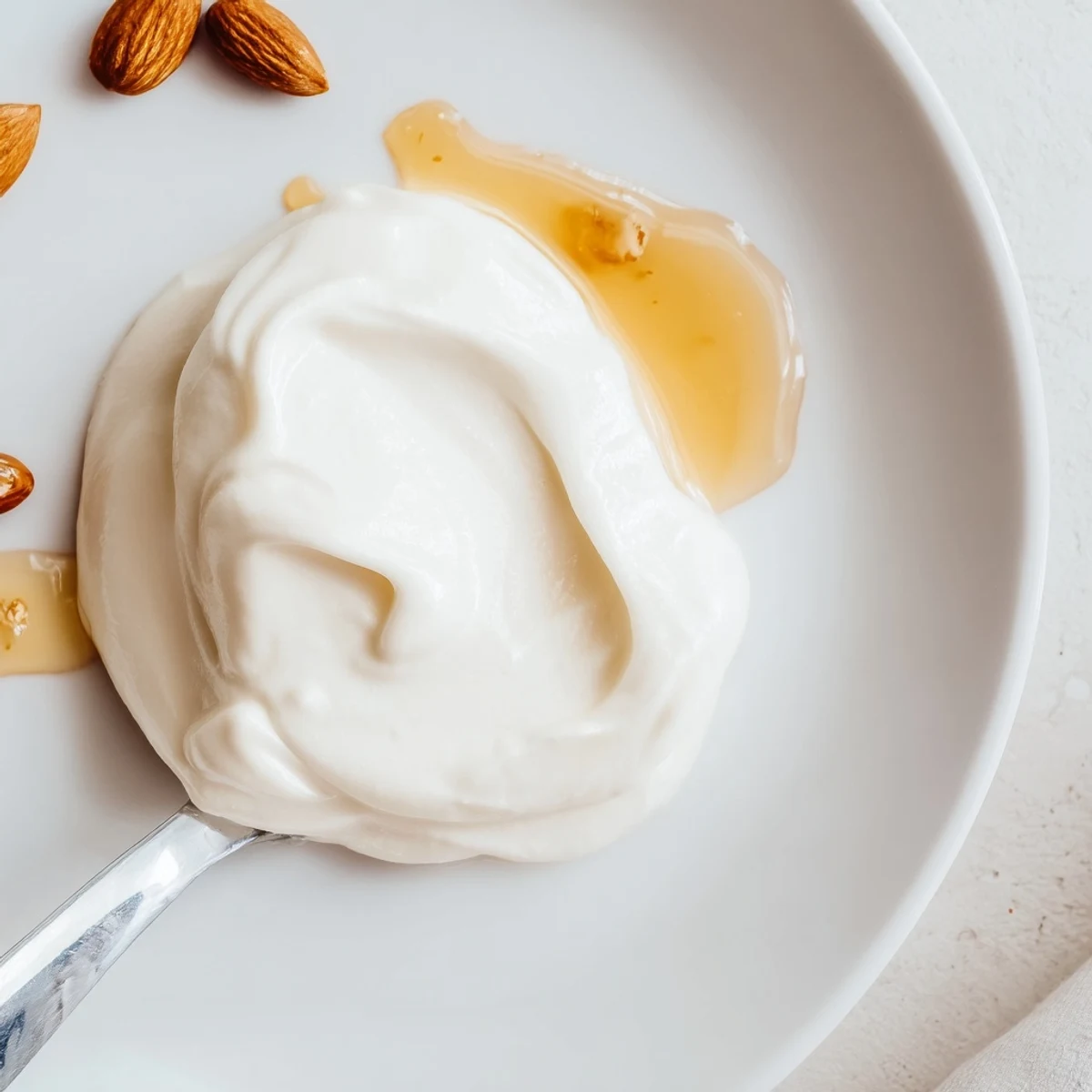
The first time I made Greek yogurt at home, I stood over my stove with a thermometer in one hand and a wooden spoon in the other, feeling like an alchemist transforming plain milk into something ancient and nourishing. My grandmother used to make yogurt on her back porch, wrapped in blankets like a sleeping baby, and I finally understood why she treated the process with such reverence. That first batch wasn't perfect, but spreading it onto warm toast with a drizzle of honey made me realize why people have been making this for thousands of years.
Last summer, my neighbor came over while I was straining a batch and asked what I was doing. When I explained the process, she looked at me like I'd revealed a secret society's initiation ritual. We sat on my back porch eating bowls of the finished yogurt with fresh peaches from her tree, and she admitted she'd never tasted yogurt so thick and mild before. Now she makes it every Sunday, and we swap jars of our finished batches across the fence.
Ingredients
- Whole milk: Whole milk creates the richest, creamiest yogurt, though you can use low fat if you prefer
- Plain yogurt starter: Use any plain yogurt with live cultures, just make sure it's not pasteurized after culturing
Instructions
- Heat the milk gently:
- Warm your milk in a saucepan over medium heat, stirring occasionally to prevent scorching, until it reaches exactly 82°C (180°F). This kills any competing bacteria that might interfere with your culture.
- Let it cool down:
- Remove from heat and let the milk cool to 43°C (110°F). I usually set a timer and wander off to do dishes, checking back until it's perfect bathwater temperature.
- Make your starter:
- In a small bowl, whisk 2 tablespoons of the cooled milk with your plain yogurt starter until perfectly smooth. This step ensures the culture distributes evenly throughout your milk.
- Combine everything:
- Pour the starter mixture back into your cooled milk and stir gently but thoroughly. Avoid incorporating too much air, which can affect the final texture.
- Let it culture:
- Pour into a clean container, cover, and wrap in a towel to maintain warmth. Let it sit undisturbed for 6 to 8 hours in a warm spot. The longer it cultures, the tangier it becomes.
- Strain for thickness:
- Line a strainer with cheesecloth set over a bowl. Pour in your yogurt and refrigerate for 1 to 2 hours until it reaches your desired thickness. Save that whey for smoothies or baking.
- Store and enjoy:
- Transfer your thickened Greek yogurt to a clean container and refrigerate until ready to serve. It'll keep for about two weeks, though it never lasts that long in my house.
 Pin it
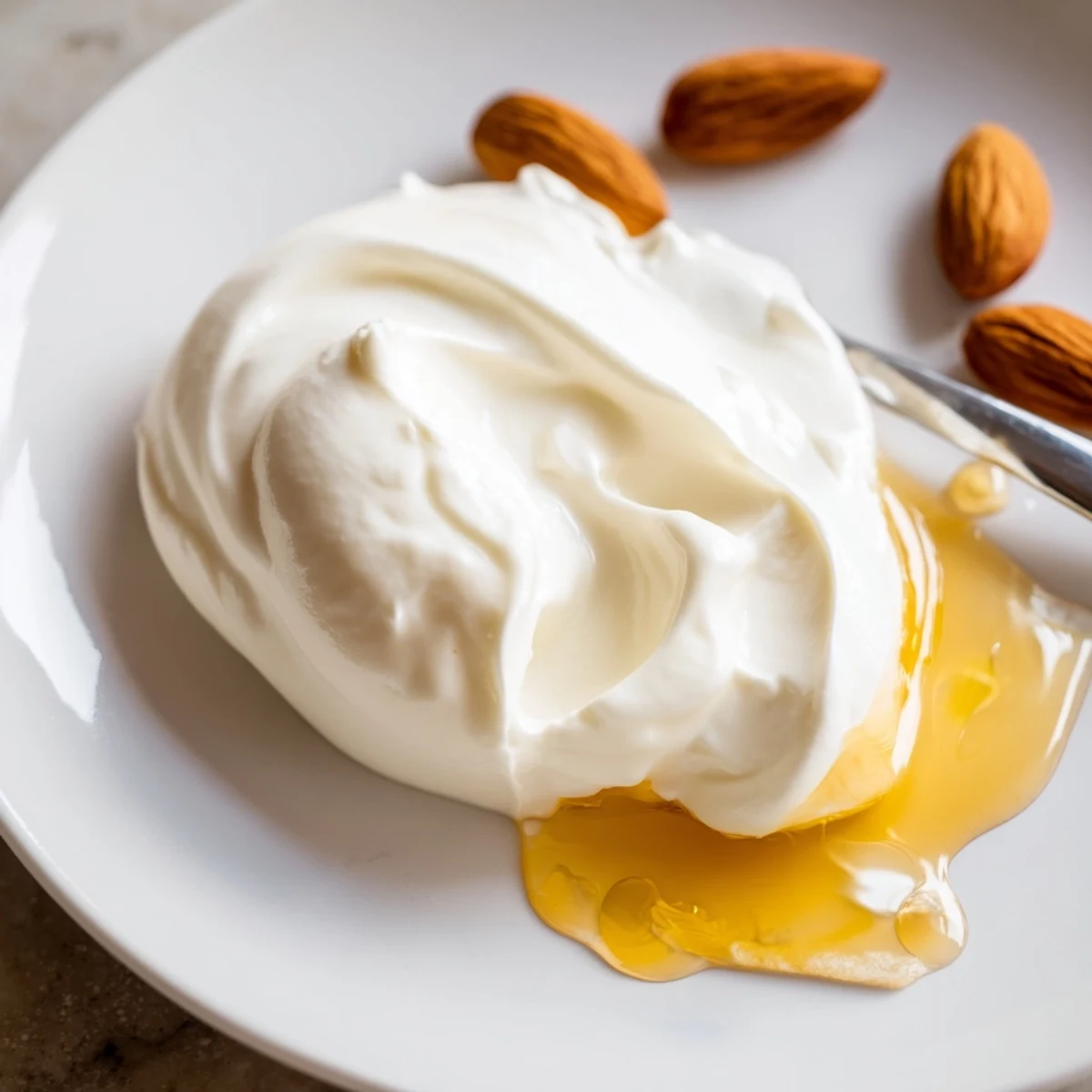
 My daughter now requests homemade yogurt for her birthday instead of cake. We set up a toppings bar with berries, granola, and different honeys, and everyone mixes their own perfect bowl. There's something deeply satisfying about feeding people food you created from scratch, watching their eyes widen at how much better it tastes than anything from a store.
Choosing Your Milk
While whole milk gives the best results, I've experimented with goat and sheep milk from my local farmers market. Each brings its own subtle character, with goat milk adding a pleasant earthiness and sheep milk creating an incredibly creamy result. The protein content varies between milks, which affects how thick your finished yogurt becomes, so don't be discouraged if your first batch with a new milk type turns out differently than expected.
Temperature Control
I used to obsess over maintaining exactly the right culturing temperature, wrapping containers in heating pads and checking them hourly. Then I discovered that finding a consistently warm spot in my kitchen works just fine. Above my refrigerator, inside a turned off oven with the light on, or even tucked inside a cooler with a warm water bottle all create perfectly happy conditions for your yogurt culture to thrive.
Serving Ideas
Beyond breakfast, I've discovered Greek yogurt works as a brilliant substitute for sour cream in savory dishes. It adds protein and tang without the heaviness of traditional sour cream. My family particularly loves it swirled into soups, dolloped on baked potatoes, or used as a base for creamy dressings.
- Save your first successful batch as starter for the next one, creating your own personal yogurt lineage
- Mix in vanilla and a touch of maple syrup for a dessert that feels indulgent but isn't
- Whip it with herbs and garlic for an instant dip that guests will rave about
 Pin it
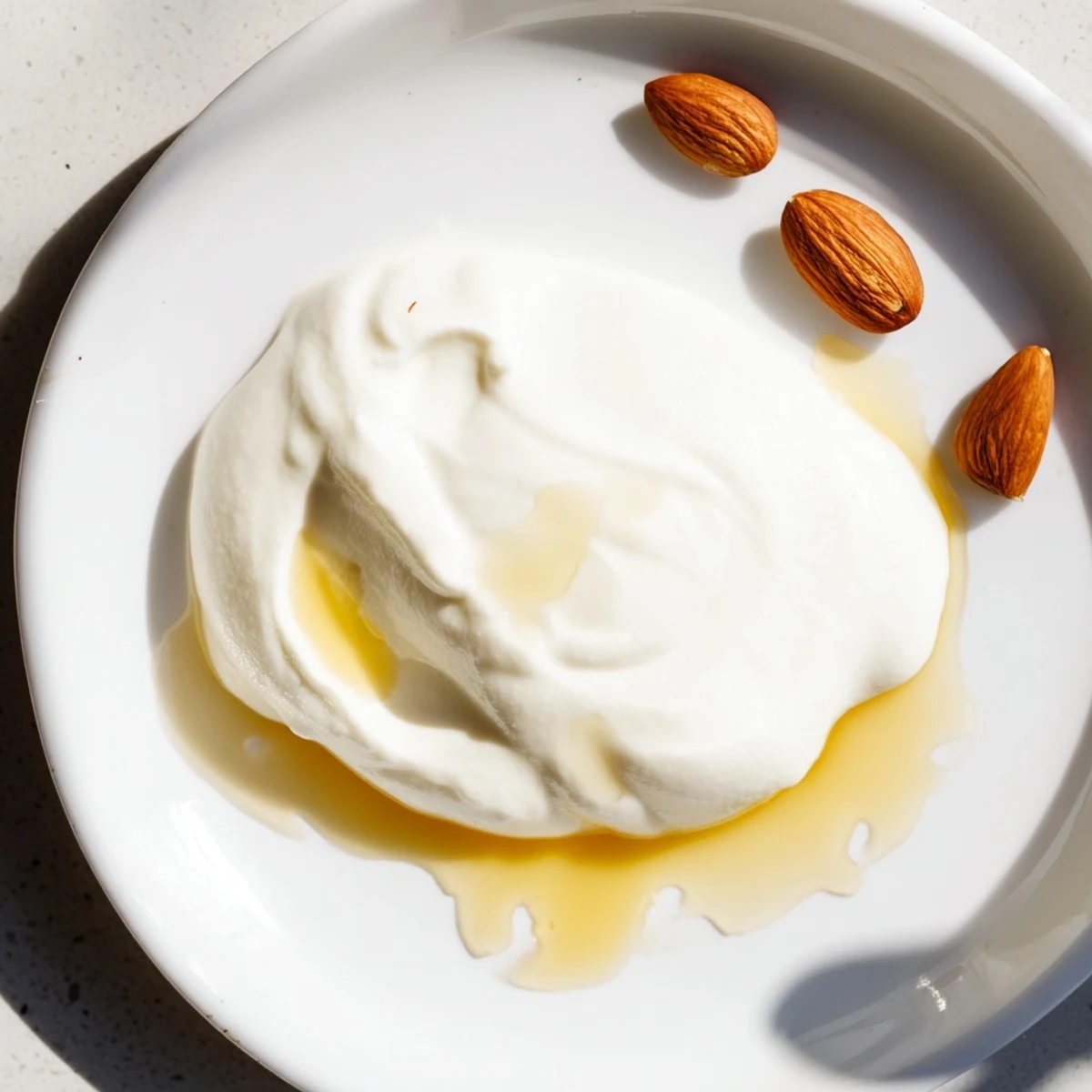
 There's something profoundly grounding about making yogurt, connecting you to food traditions that span thousands of years and countless kitchens. Once you taste your first successful batch, warm and creamy and alive, you'll understand why this simple process has captivated home cooks for generations.
Recipe FAQs
- → How long does homemade Greek yogurt last?
-
Properly stored in an airtight container, homemade Greek yogurt stays fresh for 1–2 weeks in the refrigerator. Always use clean utensils when scooping to prevent contamination.
- → Can I use low-fat milk instead of whole milk?
-
Whole milk produces the creamiest texture, but 2% milk works well too. Skim milk yields thinner yogurt that may require longer straining. The fat content directly affects richness and mouthfeel.
- → What temperature should my milk be when adding the starter?
-
The milk must cool to 43°C (110°F) before adding the yogurt starter. Temperatures above 50°C (122°F) can kill the beneficial bacteria, while cooler temperatures slow culturing. A thermometer ensures accuracy.
- → Why didn't my yogurt set properly?
-
Several factors affect setting: inactive starter cultures, incorrect milk temperature, or insufficient culturing time. Ensure your starter contains live active cultures and maintain a warm, undisturbed environment during the 6–8 hour culturing period.
- → Can I make this without a yogurt maker?
-
Absolutely. Wrap your cultured milk container in towels and place it in a warm spot like an oven with the pilot light on, or near a radiator. Some people culture yogurt in a slow cooker set to warm, or even in a insulated cooler.