
 Pin it
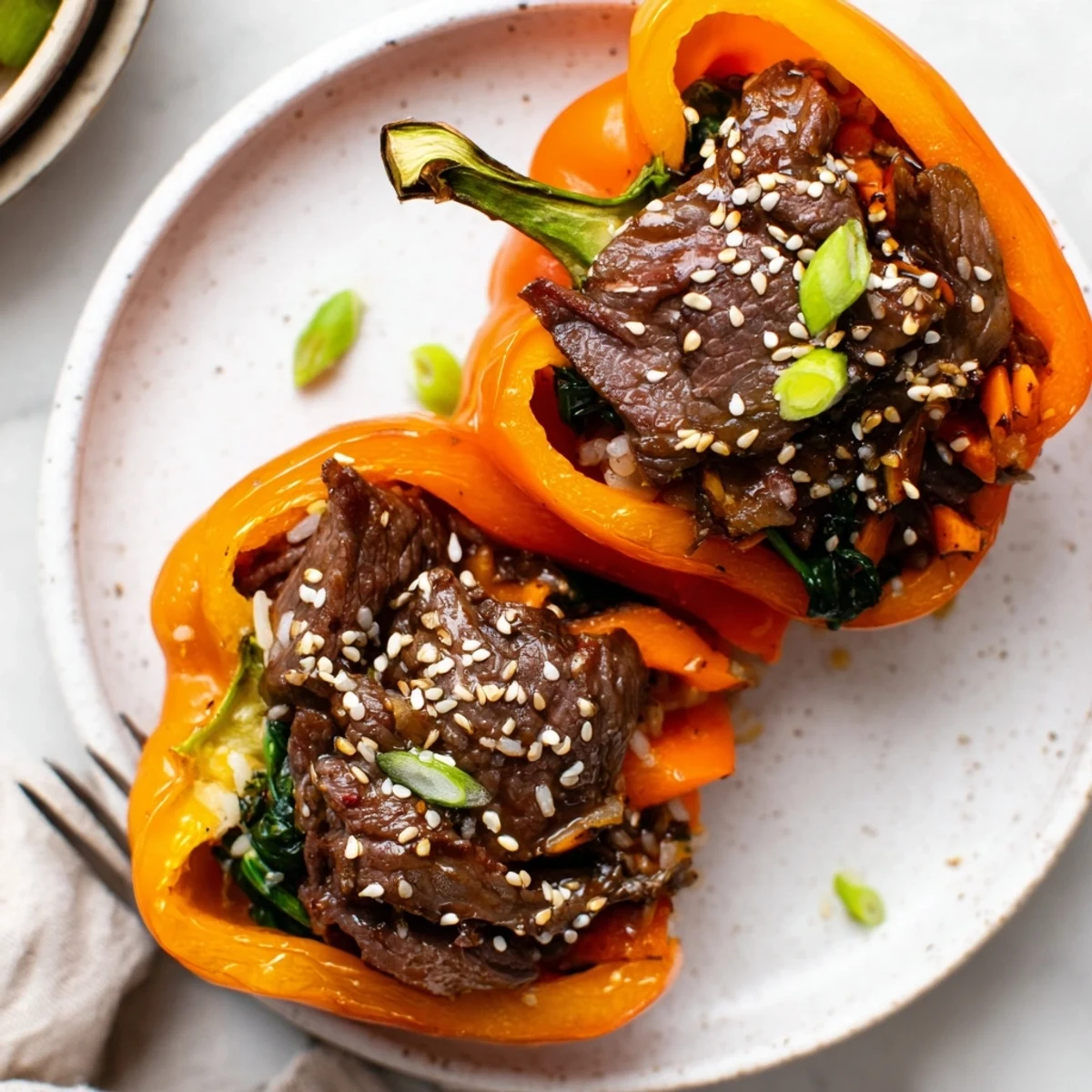
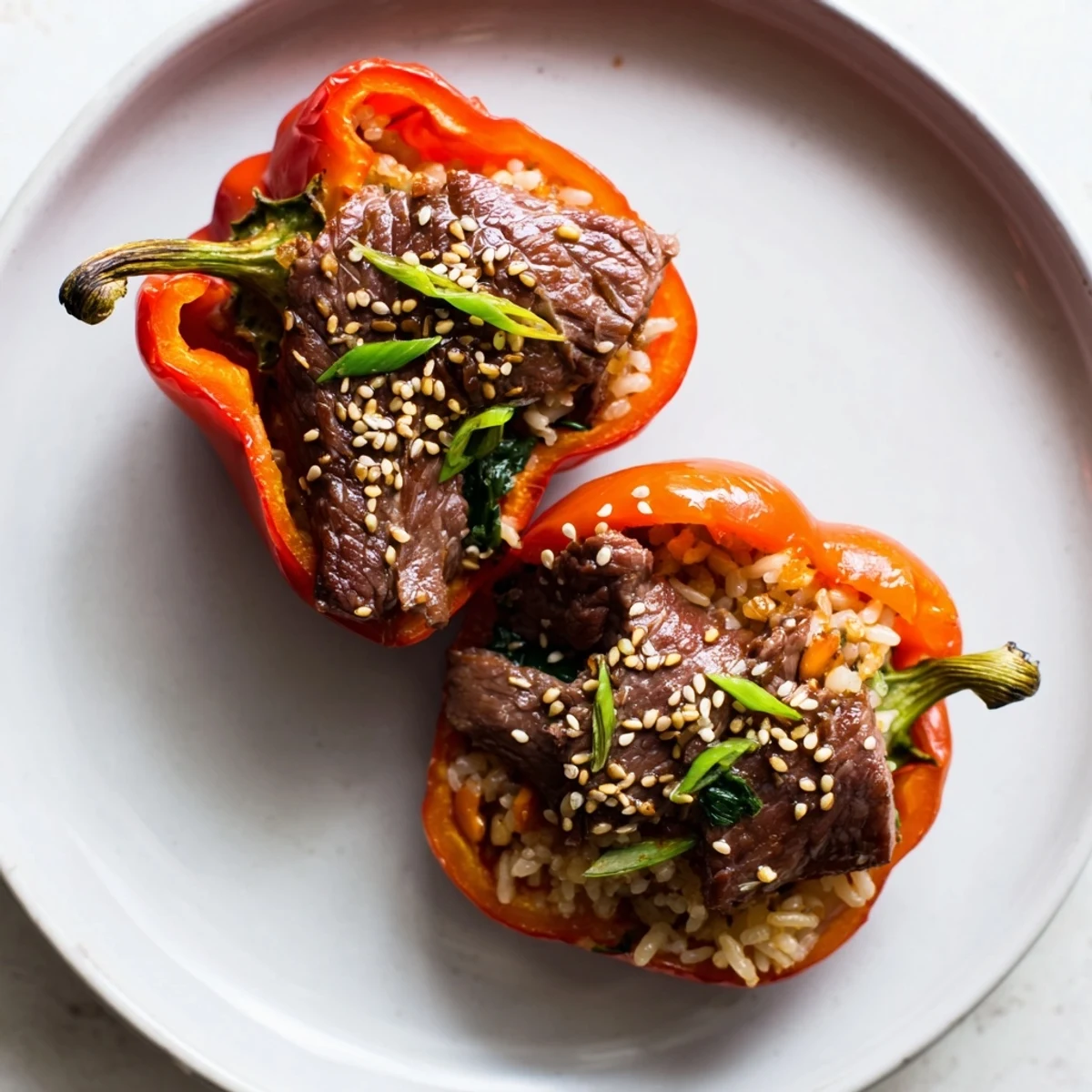
 This vibrant Korean bulgogi and rice-filled bell pepper pairs thinly sliced marinated beef with sesame, garlic and grated pear. The beef is seared briefly, then combined with sautéed onion, carrot, spinach and seasoned jasmine rice before stuffing into hollowed peppers. Allow a short marinate, bake covered then uncovered for tender skins. Total time is about one hour; use tamari for gluten-free and garnish with scallions and toasted sesame.
The first time the aroma of sizzling bulgogi mingled with sweet roasted peppers in my kitchen, it was a rainy afternoon with music humming gently in the background. The bright colors of bell peppers caught my eye at the market and, on a whim, I decided to create something bold from familiar ingredients. There was a sense of playful curiosity as I sliced, marinated, and stirred, not yet knowing this dish would become a staple comfort. Sometimes, all it takes is a new melody and a dash of risk to land on something truly special.
I remember making these for a laid-back Sunday dinner when my friend Lisa, skeptical about fusion food, finally asked for seconds before the peppers even cooled. We laughed over the sizzle and steam as we filled the peppers together, delighted every time the rice and beef tumbled onto the counter. That evening, the leftover peppers became a midnight snack, even better cold. It’s proof that sometimes new favorites are born out of spontaneous group efforts and stray grains of rice.
Ingredients
- Beef sirloin or ribeye: Thin slices cook quickly and soak up the marinade—freezing meat briefly makes slicing much easier.
- Soy sauce (or tamari): This is the foundation of the bulgogi's signature flavor; tamari keeps things gluten-free.
- Brown sugar: A touch balances out the savory notes without turning things too sweet.
- Pear or apple, grated: This not-so-secret ingredient tenderizes the meat and infuses a hint of sweetness.
- Sesame oil: Just a drizzle adds earthy aroma—use it sparingly for depth rather than dominance.
- Garlic and ginger: Mash these fresh for the best punch; jarred versions lose that classic zing.
- Scallions: They brighten and finish both marinade and garnish—save some of the darker green slices for the end.
- Black pepper: Freshly ground lends real warmth.
- Toasted sesame seeds: Sprinkle over everything; toasting your own takes just a minute and is worth it.
- Bell peppers: Any color works, but reds and yellows lend natural sweetness when roasted.
- White rice: Leftover cold rice won’t clump and absorbs all the juices—jasmine or short grain make it extra satisfying.
- Vegetable oil: Neutral flavor is key so it won’t overpower the marinade or veggies.
- Carrot and onion: Dice small so they meld seamlessly into each bite and brighten the rice mixture.
- Baby spinach: Just-wilted leaves add color and a boost of goodness.
Instructions
- Prep the oven and peppers:
- Heat your oven to 190°C (375°F). Trim tops off the bell peppers and scoop out the seeds, feeling the fresh crunch as you carve out little edible bowls.
- Marinate the beef:
- Mix soy sauce, brown sugar, grated pear or apple, sesame oil, garlic, ginger, scallions, black pepper, and sesame seeds in a bowl, then toss in the beef until coated—you’ll notice an instant sweet and savory aroma waft up.
- Sear the bulgogi:
- With the skillet hot and a glisten of oil shimmering, cook the marinated beef for just 3–4 minutes until edges caramelize and the kitchen smells irresistible. Set it aside, resisting the urge to nibble.
- Sauté your veggies:
- Add onion and carrot to the same skillet and stir as they soften, letting any sticky brown bits flavor the whole batch. Stir in spinach last—it’ll wilt almost instantly.
- Stir in the rice:
- Add rice, soy sauce, and a dash more sesame oil, mixing until the grains glisten and pick up every drop of flavor. Let it cool just a bit so it won’t wilt the next additions.
- Combine beef and rice:
- Fold the bulgogi into the veggie rice, making sure the slices are evenly distributed—this is where you can taste and tweak salt or pepper.
- Stuff and arrange:
- Gently fill each pepper with the mixture, packing just enough to support its shape but not so tightly that it cracks—any overflow is a cook’s treat.
- Bake the peppers:
- Line the peppers upright in a baking dish, cover loosely with foil, and bake for 25 minutes. Take off the foil for the last 10 minutes so the tops get a little golden and the peppers soften perfectly.
- Garnish and serve:
- Right before serving, scatter sliced scallions and toasted sesame seeds across the tops for crunch and color.
 Pin it
 The first time these made it to a family picnic, I caught my niece sneaking bite after bite before the food had even hit the table. The sight of her grinning with rice grains on her face made me realize this dish had surpassed all the fuss and become pure joy. Funny how quickly something new can create those sticky-fingered happy moments. It still makes me smile just thinking about it.
How to Make It Your Own
Swapping out beef for tofu, tempeh, or ground turkey is just the beginning—every version I’ve tried brings a new twist. Roasting the peppers a few minutes before filling gives them even more flavor and ensures they never turn mushy. Mixing in gochujang gives everything a gentle kick, perfect for spice chasers. Trust your taste and play around—the base is comforting enough to handle a few surprises.
What to Serve on the Side
I always keep a jar of crisp kimchi on hand because that refreshing crunch is just unbeatable next to the rich beef and sweet peppers. A quick cucumber salad or even a simple miso soup rounds out the meal. For drinks, a cold glass of Riesling works wonders with the sweet and savory notes and makes the whole meal feel like a little celebration. It’s the kind of spread that invites you to linger and chat long after the last pepper disappears.
Quick Fixes and Handy Tips
Prepping vegetables and marinade the night before can make this recipe weeknight-simple without losing any flavor. If you forget to defrost beef, freezing for just 20 minutes makes slicing a breeze and keeps your hands clean. Using parchment under the peppers helps with easy cleanup and preserves all those delicious roasted bits at the bottom.
- Don’t skip toasting the sesame seeds—they wake up the whole dish.
- A little grated apple is a great backup if your pear isn’t ripe.
- Taste the rice before stuffing—seasoning is easier now than later.
 Pin it
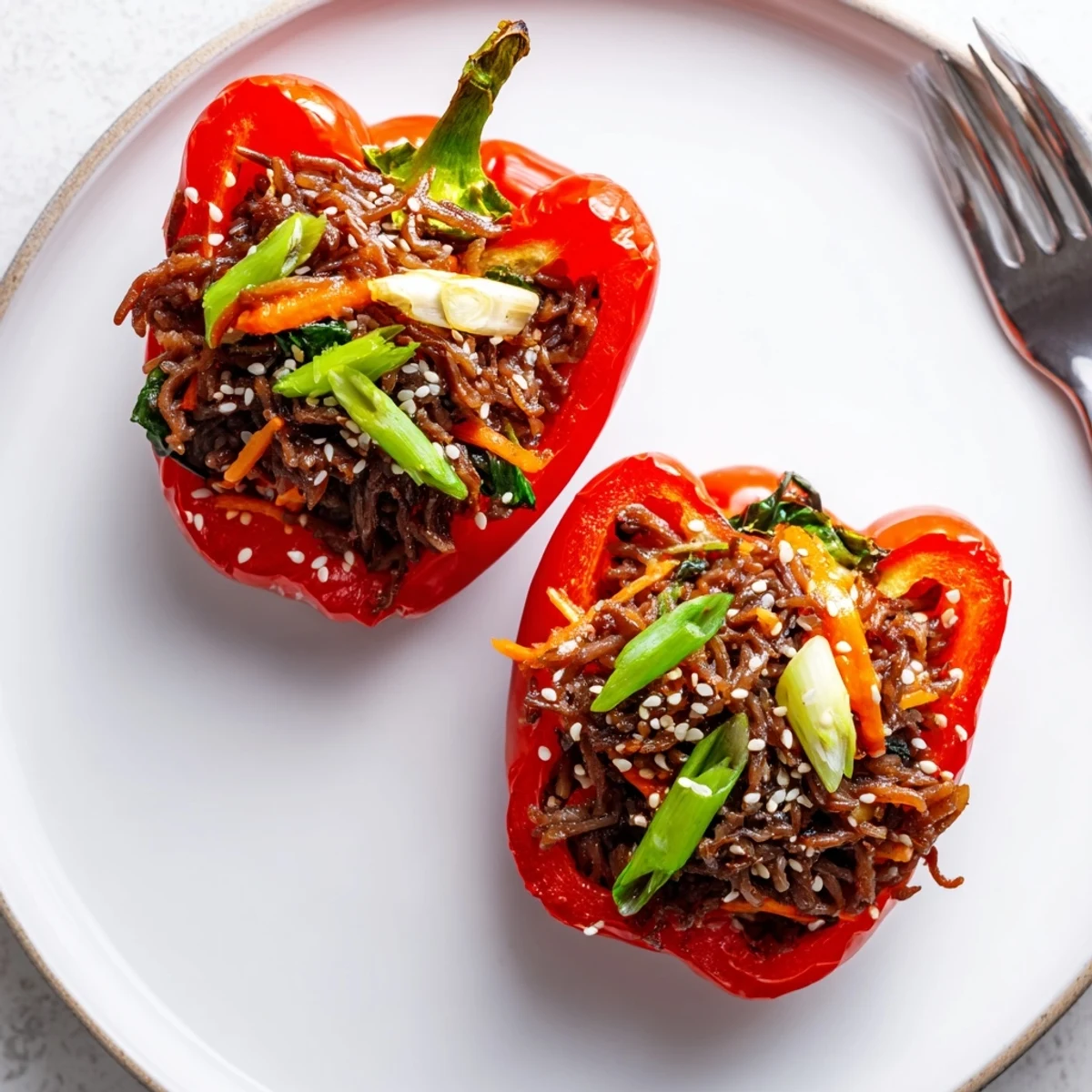
 Sharing these bulgogi stuffed peppers feels like inviting friends into your kitchen for a bit of cheer and creativity. Here’s to bold flavors and the best kind of messes—enjoy every bite.
Recipe FAQs
- → How long should I marinate the bulgogi?
-
Marinate at least 15 minutes to let soy, sesame and grated pear infuse the beef; up to 1 hour deepens flavor and helps tenderize tougher slices.
- → Which cut of beef works best?
-
Thinly sliced sirloin or ribeye yields tender, flavorful bites. Freeze the beef briefly to ease ultra-thin slicing, or use pre-sliced bulgogi-grade beef.
- → What rice is best for stuffing?
-
Short-grain or jasmine rice clumps slightly and holds the filling together. Use freshly cooked rice cooled slightly so it mixes without becoming mushy.
- → Should peppers be pre-roasted before stuffing?
-
Hollowed raw peppers bake nicely when covered, but you can roast them briefly beforehand for charred flavor and faster final baking time.
- → How can I add spice to this dish?
-
Stir 1 teaspoon gochujang into the bulgogi marinade or add crushed red pepper to the rice mix for heat that complements the sweet-savory marinade.
- → How to make this dish gluten-free?
-
Substitute tamari for soy sauce and verify all sauces (including gochujang) are labeled gluten-free. Check sesame and other ingredient labels for cross-contamination.