
 Pin it
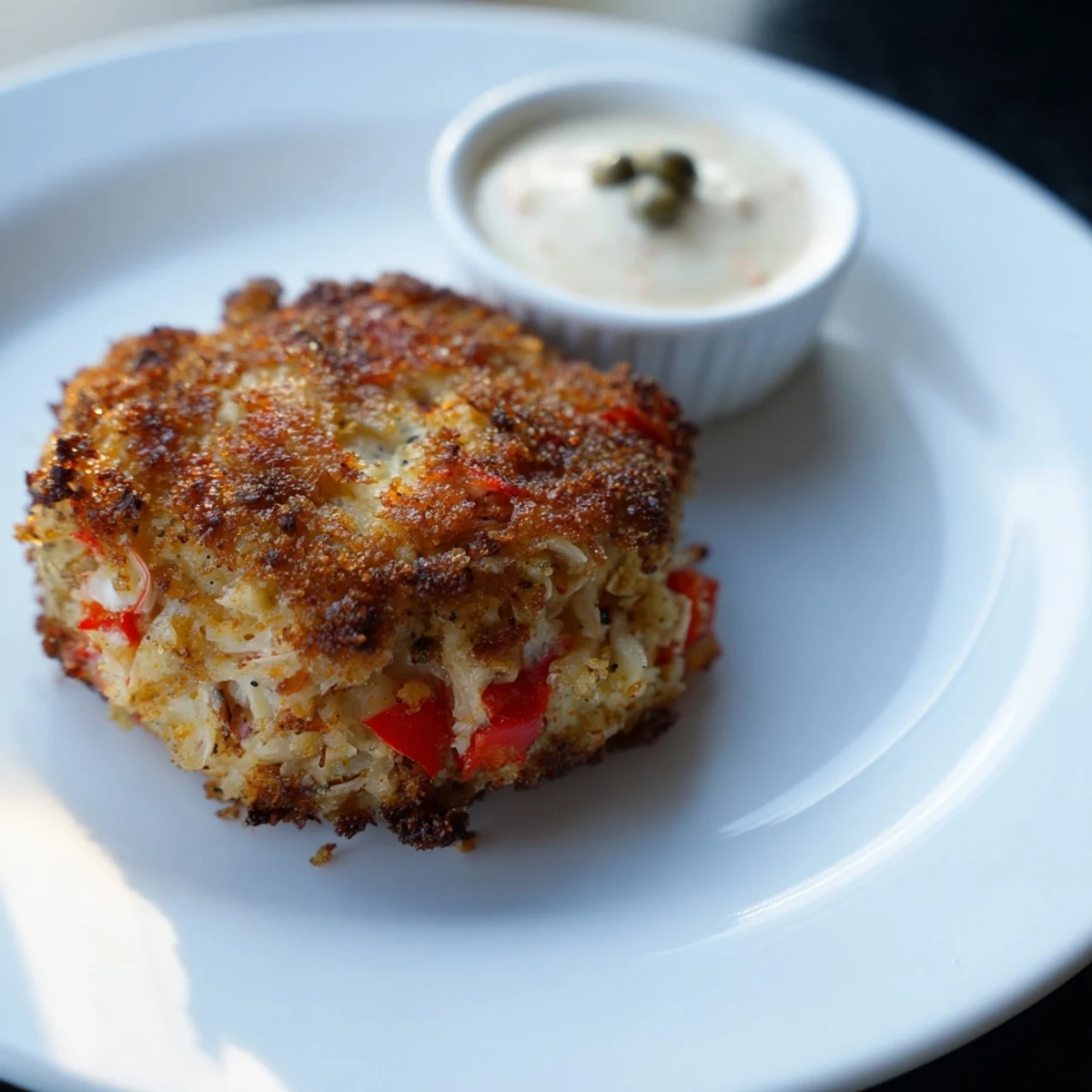
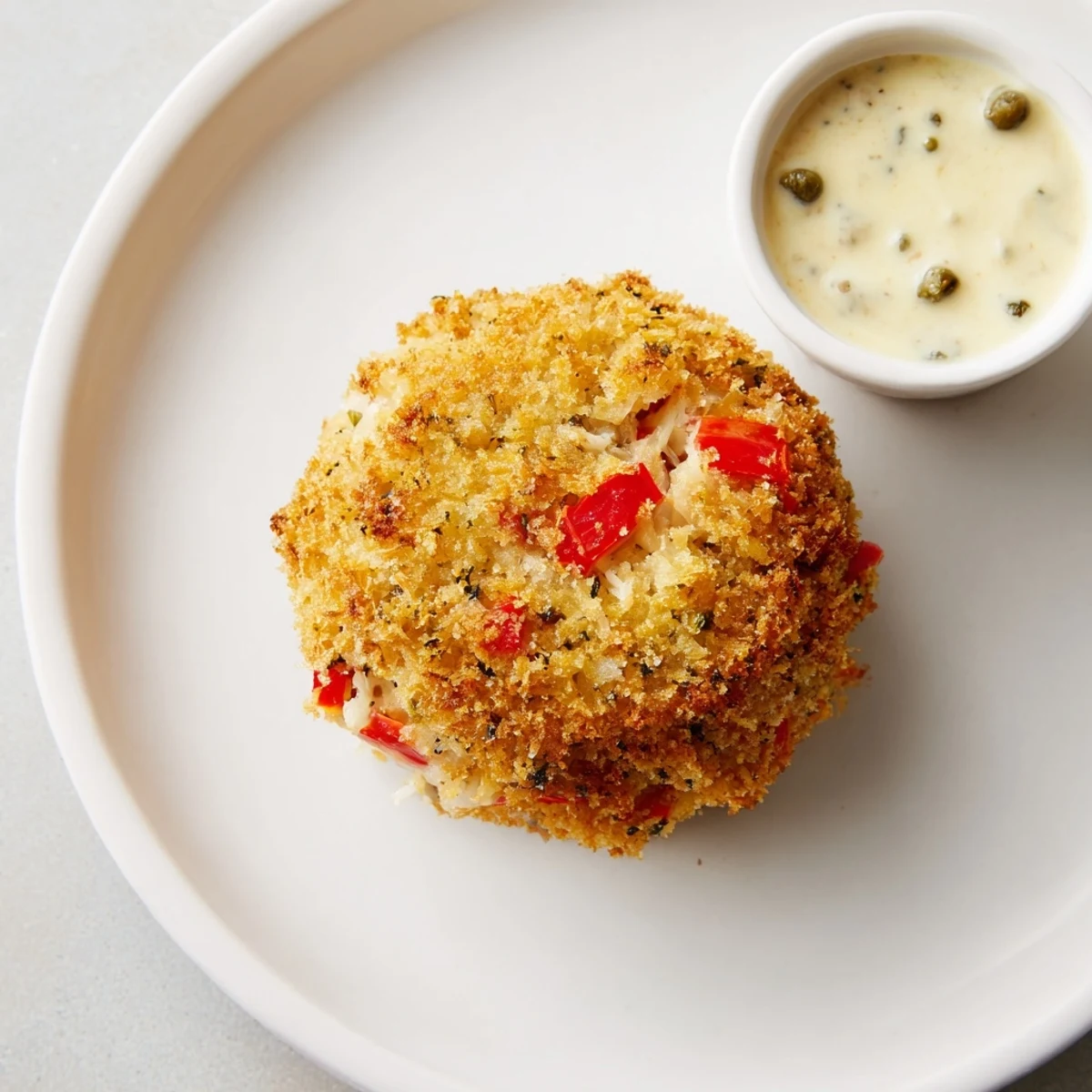
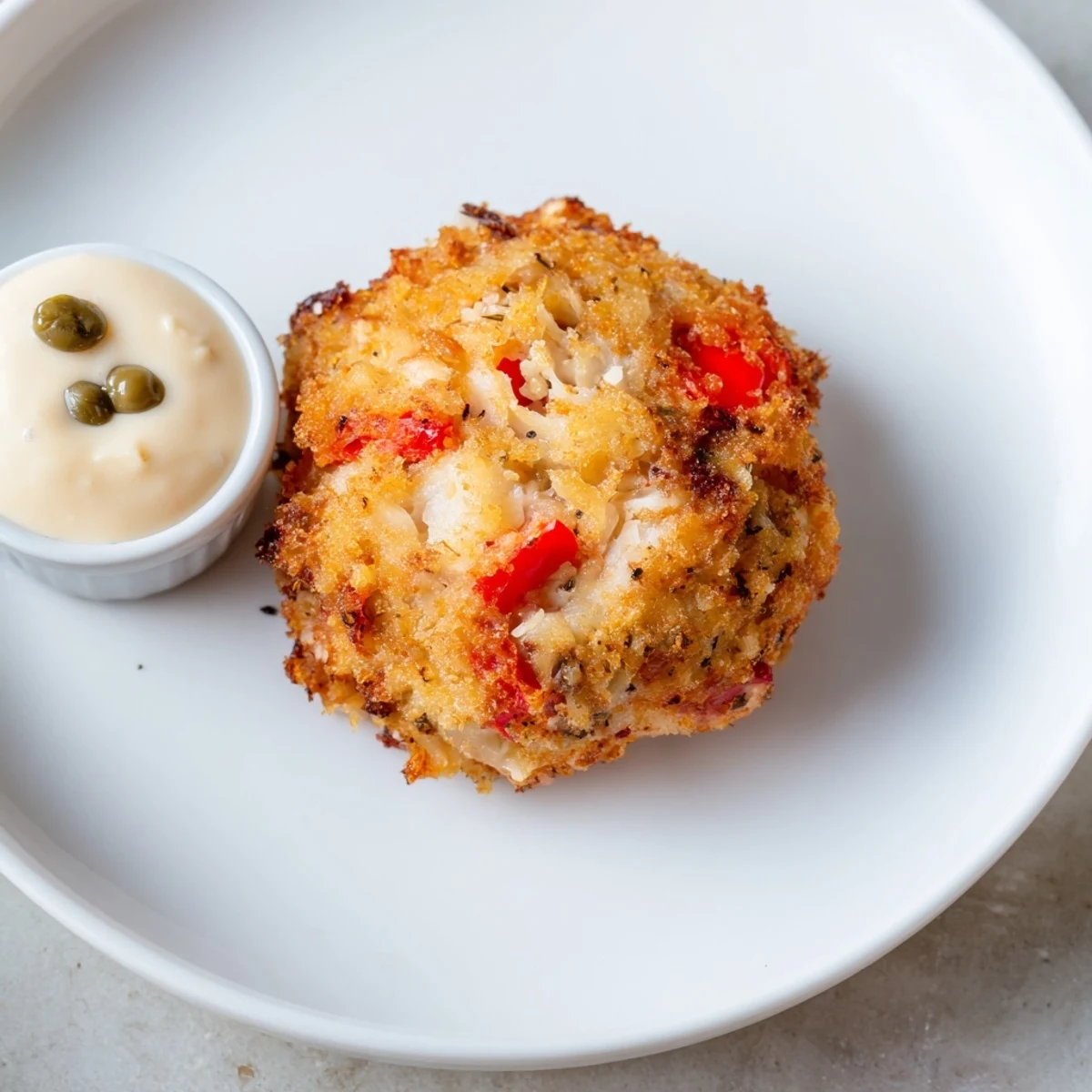
 These golden, crispy Mardi Gras crab cakes combine tender lump crab meat with Cajun seasoning, diced vegetables, and a touch of hot sauce for authentic New Orleans flavor. Pan-fried until golden brown, they're served alongside a zesty homemade remoulade—a tangy blend of mayonnaise, Dijon mustard, horseradish, capers, and pickles. Perfect as an elegant appetizer or satisfying main course.
The familiar sound of music drifting through my open kitchen window during Mardi Gras season always puts me in the mood for something special. These crab cakes came to life one February afternoon when I was homesick for New Orleans but stuck in my northern apartment with a snowstorm swirling outside. The warming Cajun spices and golden-crisp exterior transported me straight to Bourbon Street with every bite.
Last year, I served these at our Mardi Gras potluck and watched as my friend Marcus, who swore he disliked seafood, hesitantly took one bite before promptly devouring three cakes in quick succession. His wide-eyed surprise as he reached for the remoulade again made me laugh so hard I nearly spilled my hurricane cocktail all over my purple beads.
Ingredients
- Lump crab meat: Splurge on quality here because cheaper imitation crab will turn your celebration into a disappointment faster than you can say laissez les bon temps rouler.
- Cajun seasoning: I learned from a Louisiana chef that authentic Cajun seasoning should have more herbs than salt and a complex pepper profile that blooms when heated.
- Panko breadcrumbs: These Japanese-style breadcrumbs create a lighter, airier texture than traditional breadcrumbs, allowing the delicate crab flavor to remain the star.
- Horseradish: Fresh is best for the remoulade, but prepared works in a pinch just make sure its still potent by giving it a quick smell test before adding.
Instructions
- Mix the magical remoulade:
- Combine all those zesty remoulade ingredients in a bowl until they form a creamy, speckled sauce that smells like a Creole restaurant kitchen. Let it rest in the refrigerator while you prepare the crab cakes, allowing those flavors to get friendly with each other.
- Handle with care:
- When mixing your crab cake ingredients, use a gentle folding motion like youre tucking a child into bed. The large lumps of crab breaking apart too much is the culinary equivalent of beads falling off your Mardi Gras costume.
- Chill out:
- Those 15 minutes of refrigeration might seem skippable when youre hungry, but theyre crucial for helping the cakes hold their shape. I once rushed this step and ended up with delicious crab scramble instead of cakes.
- Get that golden sear:
- Listen for the satisfying sizzle as the cakes hit the hot oil, and resist the urge to flip them early. Youll know theyre ready to turn when the edges look golden and set, usually after about 3-4 minutes.
 Pin it
 One quiet Tuesday night, I made these crab cakes just for myself, lit a few candles, and put on some Professor Longhair piano tunes. Something about that combination of rich food, flickering light, and rollicking New Orleans music made me feel like I was celebrating something important, even though it was just an ordinary weeknight in the middle of winter.
Serving Suggestions
While these crab cakes are certainly festive enough to stand alone as an appetizer, I discovered they make a stunning main course when perched atop a bed of peppery arugula dressed with lemon and olive oil. The contrast of hot crab cake against cool, bright greens creates a textural interplay that elevates the whole experience from casual finger food to dinner party worthy.
Storage and Make-Ahead Tips
My neighbor Jane taught me the clever trick of forming the cakes on parchment-lined baking sheets before covering and refrigerating them overnight. This not only helps them firm up perfectly but means you can prepare everything a day ahead and simply fry them up minutes before guests arrive, making you look like the most effortless host in town.
Troubleshooting Your Crab Cakes
If your crab cakes start to crack while cooking, your heat is likely too high or youre trying to flip them too early. The first side needs to develop that golden crust that acts like delicious glue holding everything together.
- Always pat your crab meat dry with paper towels before mixing it with other ingredients to prevent excess moisture from making your cakes fall apart.
- If youre finding the cakes difficult to form, pop the mixture into the refrigerator for 30 minutes to firm up before shaping.
- Never overcrowd your pan when frying, as the temperature will drop too much and youll end up with greasy, soggy cakes instead of crisp ones.
 Pin it
 These Mardi Gras crab cakes have become my personal tradition, a way to celebrate the spirit of New Orleans no matter where I am. Maybe theyll become your tradition too.
Recipe FAQs
- → Can I use canned crab meat instead of fresh?
-
Yes, canned crab works in a pinch. Ensure it's well-drained and picked over to remove shell fragments. Fresh or pasteurized lump crab will yield the best texture and flavor.
- → How do I prevent the crab cakes from falling apart?
-
The key is not overmixing the crab meat, which breaks it into smaller pieces. Refrigerating the formed patties for at least 15 minutes helps them set. The egg and mayonnaise act as binders to hold everything together.
- → Can I bake these instead of pan-frying?
-
Yes. Bake at 400°F (200°C) for 12-15 minutes until golden. They won't be as crispy as pan-fried, but still delicious. Lightly oil a baking sheet to prevent sticking.
- → What makes a good remoulade sauce?
-
A proper remoulade balances creaminess with tangy, briny elements. Dijon mustard, horseradish, and capers provide sharpness, while ketchup and hot sauce add depth. Adjust lemon juice and seasoning to your taste preference.
- → How should I store leftovers?
-
Refrigerate cooked crab cakes in an airtight container for up to 3 days. Reheat gently in a 350°F oven for 10 minutes. Formed, uncooked patties keep refrigerated for 24 hours or frozen up to 2 months.
- → What's the difference between Cajun and Creole cuisine?
-
Cajun cooking is rustic, country-style cuisine from rural Louisiana with bold spices and hearty ingredients. Creole is more refined, influenced by French, Spanish, and African traditions with complex layered flavors. This dish blends both traditions.