
 Pin it
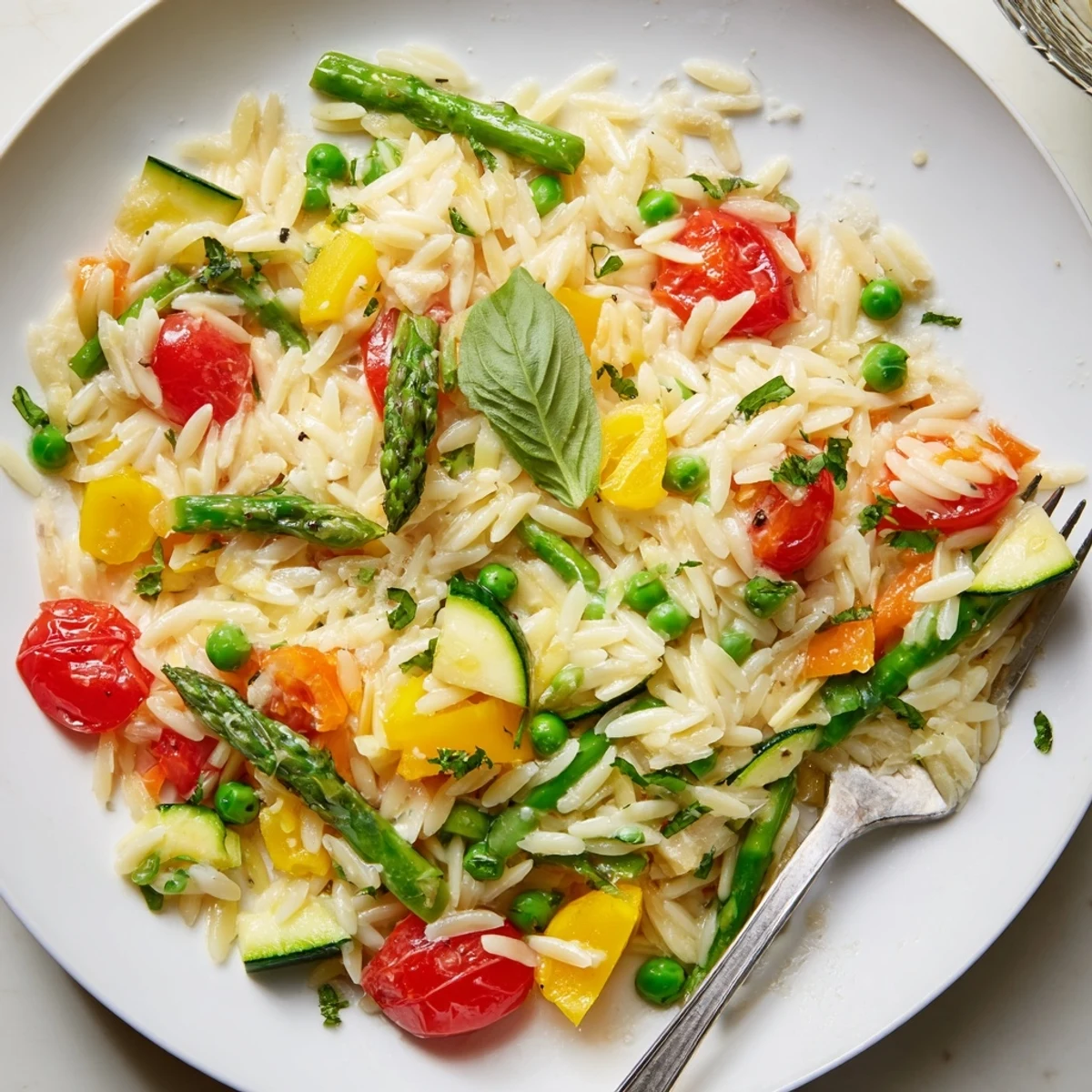
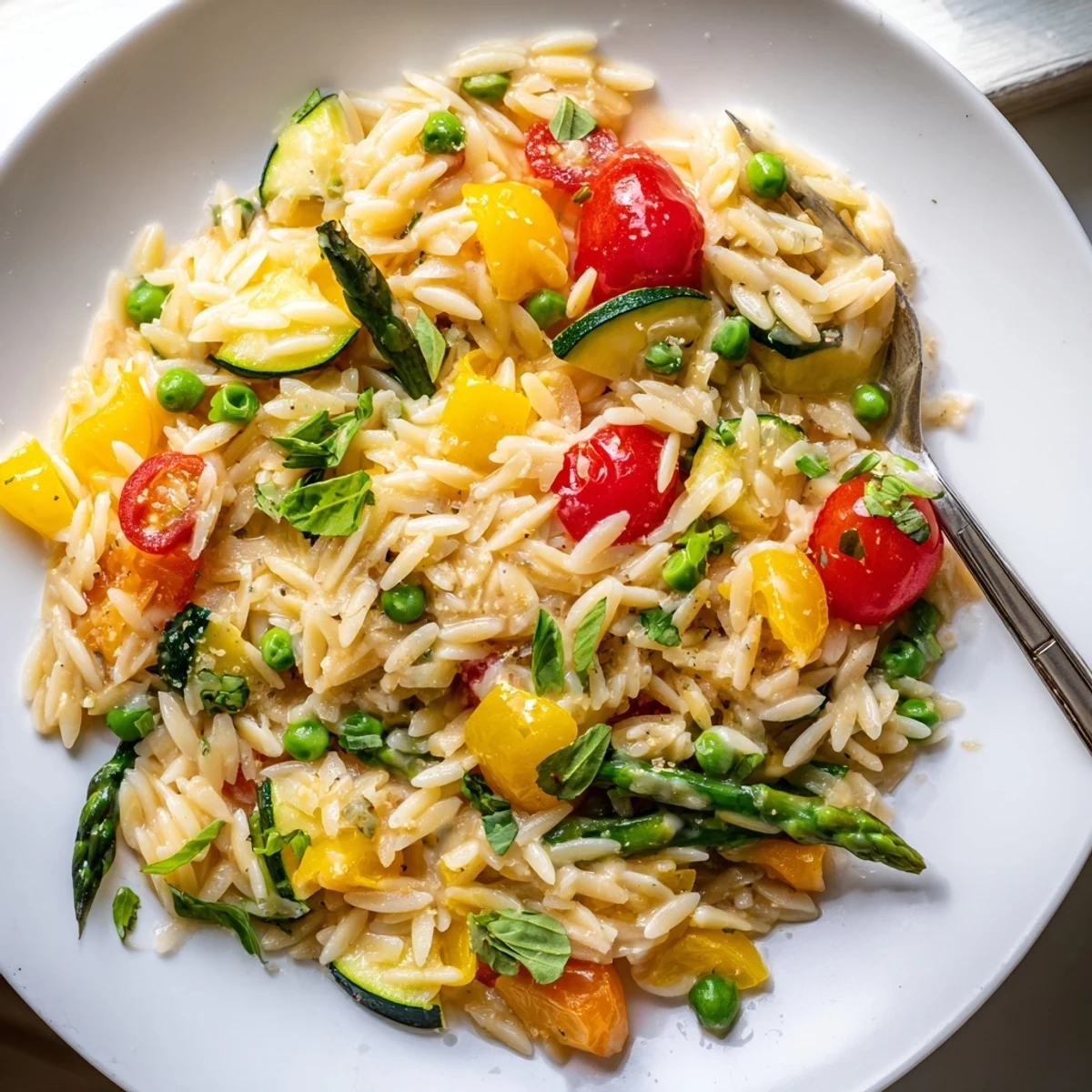
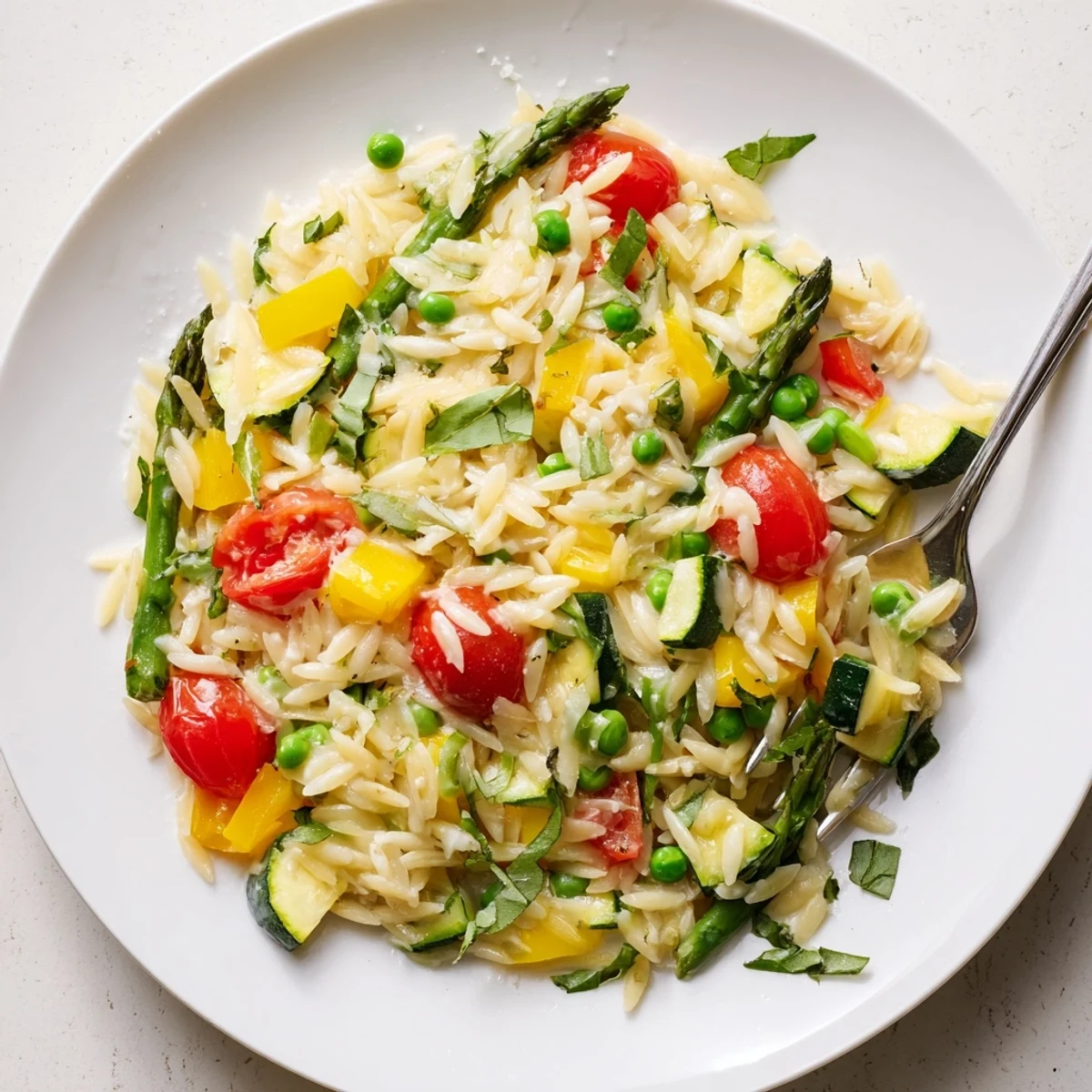
 This colorful Italian-inspired dish combines tender orzo pasta with a medley of fresh spring vegetables including zucchini, cherry tomatoes, bell pepper, asparagus, and sweet peas. The vegetables are sautéed until just tender, then tossed with the cooked pasta in a light, flavorful sauce made with olive oil, garlic, lemon zest and juice, and grated Parmesan. Fresh basil and parsley add brightness, while reserved pasta water creates a silky coating. Ready in just 35 minutes, this versatile dish works perfectly as a vegetarian main course or side. The primavera-style preparation highlights seasonal produce at its peak, with the lemon and herbs complementing the natural sweetness of the vegetables.
The first time I made orzo primavera, I was rushing to feed friends who'd just dropped by unannounced. I grabbed whatever vegetables looked fresh in the crisper, not expecting much from the random assortment. But when that lemon hit the hot pasta and the Parmesan melted through everything, my tiny kitchen smelled like an Italian spring evening. Now it's the dish I turn to when I want something that feels special but comes together in under 40 minutes.
Last spring, my neighbor brought over a basket of vegetables from her garden and this recipe was born from that abundance. We ate it on her back porch while the kids ran around catching fireflies, and I remember thinking how something so simple could make a regular Tuesday feel like a celebration. The zucchini was still warm from the sun when I diced it up.
Ingredients
- 250 g orzo pasta: This rice shaped pasta cooks up tender but still holds its texture beautifully in the sauce
- 1.5 L water: Use plenty of water so the orzo can move freely while cooking
- 1 tsp salt: Essential for seasoning the pasta from the inside out
- 1 small zucchini, diced: Adds a subtle sweetness and lovely texture contrast
- 1 cup cherry tomatoes, halved: They burst slightly when cooked, creating little pockets of sweetness
- 1 yellow bell pepper, diced: Brings a bright pop of color and mild flavor
- 1 cup asparagus, cut into 2 cm pieces: Keep pieces uniform so they cook evenly
- 1 cup fresh or frozen peas: These add sweetness and pretty green color throughout
- 2 tbsp olive oil: The foundation that carries all the other flavors
- 3 cloves garlic, minced: Dont be shy with the garlic, it mellows beautifully when cooked
- 1/2 cup grated Parmesan cheese: The salty umami that pulls everything together
- Zest of 1 lemon: Use a microplane to get just the bright yellow part, avoiding the bitter pith
- 2 tbsp fresh lemon juice: Adds a bright acidity that cuts through the richness
- Salt and black pepper, to taste: Taste as you go and adjust seasonings at the end
- 2 tbsp chopped fresh basil: Tear or chop it right before adding for the best flavor
- 2 tbsp chopped fresh parsley: Adds a fresh herbal finish to the whole dish
Instructions
- Get your pasta water going:
- Bring the water and 1 tsp salt to a rolling boil in your largest pot
- Cook the orzo:
- Add the pasta and cook until al dente, usually about 8 minutes, then drain but remember to save that pasta water before you pour it off
- Start the aromatics:
- While the pasta cooks, heat olive oil in a large skillet over medium heat and add the garlic, letting it sizzle for just 1 minute until fragrant
- Add the vegetables:
- Toss in the zucchini, cherry tomatoes, bell pepper, asparagus, and peas, sautéing for 4 to 5 minutes until theyre just tender but still have some crunch
- Bring it all together:
- Add the drained orzo to the skillet along with that reserved pasta water, Parmesan, lemon zest, and lemon juice
- Finish with herbs:
- Season generously with salt and pepper, remove from heat, and fold in the basil and parsley right before serving
 Pin it
 This dish has become my go to for potlucks and dinner parties because it travels so well and always gets compliments. I love watching peoples faces light up when they taste that bright lemon Parmesan combination. Its proof that vegetarian food can be completely satisfying without being complicated.
Making It Your Own
Ive learned that the beauty of primavera is its flexibility, so dont be afraid to swap vegetables based on whats in season or what you have in the fridge. Sometimes I add fresh corn in summer or butternut squash cubes in fall, and each variation brings something lovely to the table. The key is keeping pieces roughly the same size so everything cooks evenly.
Perfecting The Texture
The biggest mistake I made early on was overcooking the vegetables into a mushy mess. Now I aim for that sweet spot where theyre tender but still have a bit of bite, which gives the dish so much more character. The contrast between the soft orzo and slightly crisp vegetables is what makes every bite interesting.
Serving Suggestions
A crisp white wine like Pinot Grigio pairs beautifully with this bright, fresh pasta, but even a simple green salad with vinaigrette makes it feel like a complete meal. Sometimes I serve it with crusty bread to soak up any extra sauce at the bottom of the bowl.
- Let the dish rest for 5 minutes before serving so the flavors can meld together
- Keep extra lemon wedges on the table for those who love an extra bright hit
- A final sprinkle of Parmesan on top adds a lovely salty finish
 Pin it
 Theres something so satisfying about a dish that looks impressive but comes together with such ease. I hope this becomes one of those recipes you turn to again and again.
Recipe FAQs
- → Can I make orzo primavera ahead of time?
-
Yes, you can prepare the vegetables and cook the orzo up to a day in advance. Store them separately in airtight containers in the refrigerator. When ready to serve, reheat the vegetables in a skillet, add the cooked orzo with a splash of water or olive oil, and toss until heated through. Add fresh herbs just before serving.
- → What vegetables work best in primavera dishes?
-
Classic primavera vegetables include asparagus, peas, zucchini, and bell peppers as used here. You can also add green beans, snap peas, broccoli florets, or fresh corn. The key is to choose vegetables that cook quickly and maintain some crunch. Avoid dense vegetables that require long cooking times.
- → How do I prevent the orzo from becoming mushy?
-
Cook orzo until al dente according to package instructions, usually about 8-10 minutes. Drain promptly and rinse with cool water to stop the cooking process. Reserve some pasta water before draining—this starchy liquid helps create a silky sauce when tossed with the vegetables and Parmesan.
- → Can I substitute the Parmesan cheese?
-
For a dairy-free version, replace Parmesan with nutritional yeast for a similar savory, umami flavor. You could also use vegan Parmesan alternatives or simply increase the herbs and add a pinch more salt. The lemon juice and zest provide plenty of brightness without the cheese.
- → What can I serve with orzo primavera?
-
Enjoy as a standalone vegetarian main course, or pair with grilled chicken, shrimp, or fish for added protein. A crisp white wine like Pinot Grigio complements the lemon and fresh vegetables perfectly. A simple green salad with vinaigrette makes a nice starter.
- → Can I use other pasta shapes?
-
While orzo's small rice-like shape works beautifully with chopped vegetables, you can substitute other small pasta shapes like orecchiette, small shells, or farfalle. Adjust cooking time according to package instructions and maintain the same vegetable-to-pasta ratio for best results.