
 Pin it
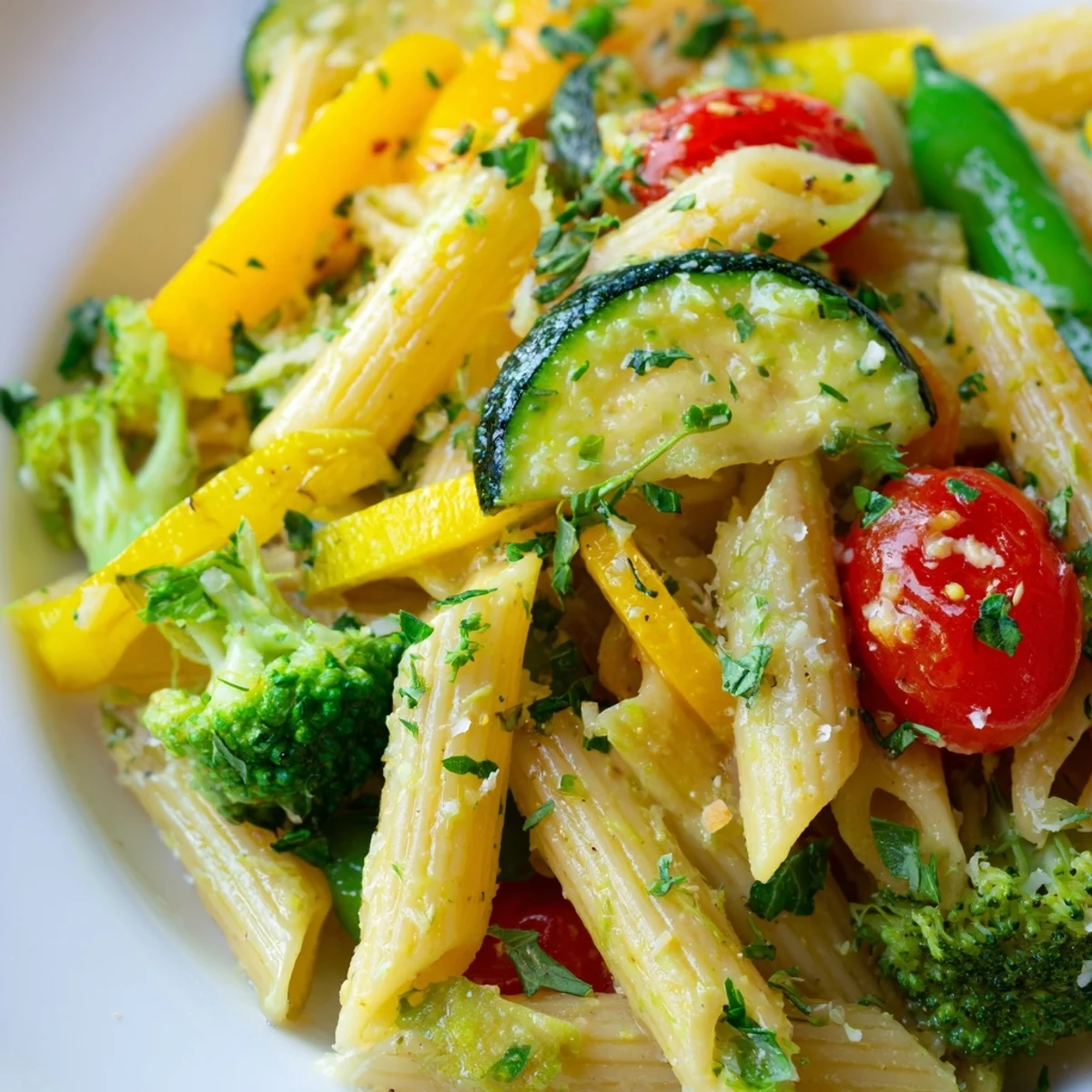
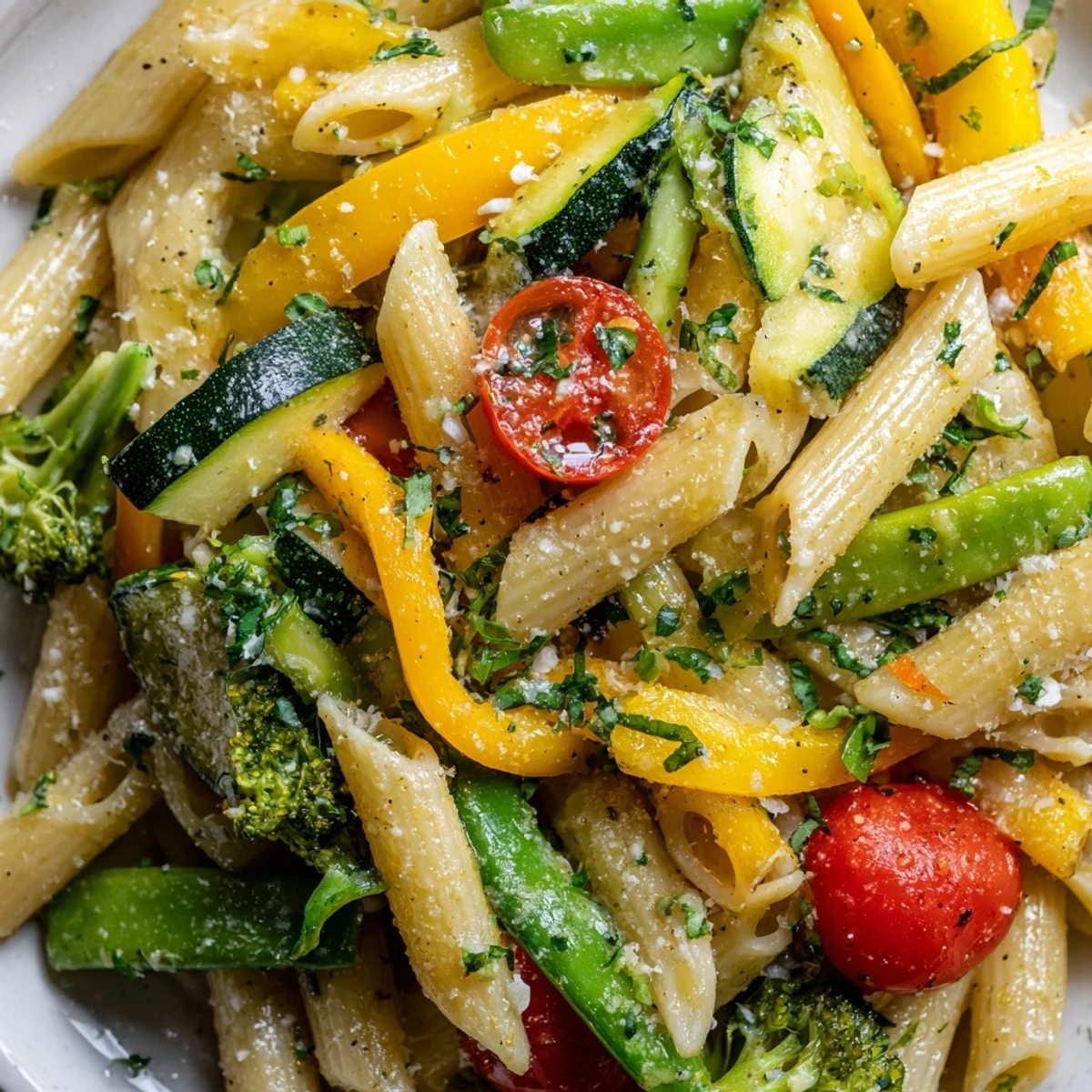
 This vibrant Italian dish features perfectly cooked penne or spaghetti tossed with an array of colorful spring vegetables including zucchini, yellow squash, bell peppers, cherry tomatoes, sugar snap peas, and broccoli florets. The vegetables are sautéed until just tender, then combined with the pasta in a light, aromatic sauce made with extra virgin olive oil, fresh garlic, a hint of red pepper flakes, vegetable broth, and bright lemon juice. Fresh basil and parsley add herbal notes while Parmesan cheese creates a luscious, savory finish. The entire dish comes together in 40 minutes, making it perfect for weeknight dinners yet elegant enough for entertaining. You can easily customize the vegetables based on what's in season or add protein like cooked chicken or chickpeas for a more substantial meal.
The first time I made pasta primavera, I was trying to use up a farmers market haul that was threatening to wilt on my counter. I threw everything into a skillet with some garlic and olive oil, hoping for the best, and ended up with something so bright and cheerful that it felt like spring itself had landed on my plate.
I served this to my sister last spring when she needed something comforting but not heavy after a long week. She took one bite, closed her eyes, and said this was exactly what she didnt know she was craving sunshine on a plate.
Ingredients
- 400 g (14 oz) penne or spaghetti: I prefer penne because those little ridges catch all the lovely sauce and vegetable bits
- 1 small zucchini, sliced: Dont skip this, it becomes buttery soft in the skillet and absorbs all the garlic flavor
- 1 small yellow squash, sliced: Adds a lovely sweetness that balances the brighter vegetables
- 1 red bell pepper, julienned: The pop of red makes this dish feel like a celebration
- 1 cup cherry tomatoes, halved: They burst in the heat and create little pockets of juiciness throughout the pasta
- 1 cup sugar snap peas, trimmed: These bring such satisfying crunch and fresh flavor
- 1 cup broccoli florets: Tiny trees that hold onto sauce beautifully
- 3 tablespoons extra virgin olive oil: Use the good stuff here since it carries so much of the flavor
- 3 cloves garlic, minced: Freshly minced makes such a difference over jarred
- 1/2 teaspoon crushed red pepper flakes: Just a gentle warmth, but you can leave it out if youre sensitive to heat
- 1/2 cup vegetable broth: Creates a silky light sauce without any heaviness
- Juice of 1 lemon: Brightens everything and cuts through the richness
- 1/4 cup grated Parmesan cheese, plus more for serving: Salty and nutty, it ties all the flavors together
- Salt and freshly ground black pepper, to taste: Season as you go, tasting frequently
- 2 tablespoons fresh basil leaves, chopped: Tear it by hand for the most aromatic results
- 2 tablespoons fresh parsley, chopped: Adds a fresh herbal finish that makes the whole dish sing
Instructions
- Get the pasta going:
- Bring a large pot of generously salted water to a boil and cook pasta until al dente, then drain but save that precious pasta water
- Start the aromatics:
- Warm olive oil in your largest skillet over medium heat, add garlic and red pepper flakes if using, and let it sizzle for just a minute until your kitchen smells incredible
- Add the hearty vegetables:
- Toss in zucchini, squash, bell pepper, and broccoli, sautéing for 4 to 5 minutes until theyre just tender and starting to pick up some color
- Bring in the delicate vegetables:
- Add cherry tomatoes and sugar snap peas, cooking another 2 to 3 minutes until the tomatoes start to burst and everything looks vibrant
- Create the sauce:
- Pour in vegetable broth and lemon juice, letting it simmer for 2 minutes and seasoning generously with salt and pepper
- Bring it all together:
- Add the cooked pasta to the skillet along with Parmesan, tossing everything together and adding splashes of pasta water until the sauce coats each piece beautifully
- Finish with fresh herbs:
- Stir in basil and parsley, taste and adjust seasoning, then serve immediately with extra Parmesan on the table
 Pin it
 This recipe has become my go to for dinner parties because it looks impressive but comes together so effortlessly. Last summer, my friend Sarah asked for the recipe before she even finished her first helping.
Choosing Your Vegetables
Ive learned that the secret is using vegetables that all cook at roughly the same rate, which is why this particular combination works so well together. You can swap in whatever looks fresh at the market, but try to keep that mix of colors and textures for the most beautiful result.
Making It Your Own
Sometimes I add a handful of baby spinach right at the end, letting it wilt just slightly in the residual heat. My mother in law loves adding artichoke hearts, and my neighbor swears by tossing in some roasted red peppers from a jar.
Serving Suggestions
This pasta needs nothing more than a simple green salad and maybe some crusty bread to soak up any extra sauce. A crisp white wine like Pinot Grigio cuts through the vegetables and complements the lemon perfectly.
- Serve it family style in a large shallow bowl for the prettiest presentation
- Have extra lemon wedges at the table for those who love an extra bright hit
- The dish is best enjoyed immediately while the vegetables are still perfectly crisp
 Pin it
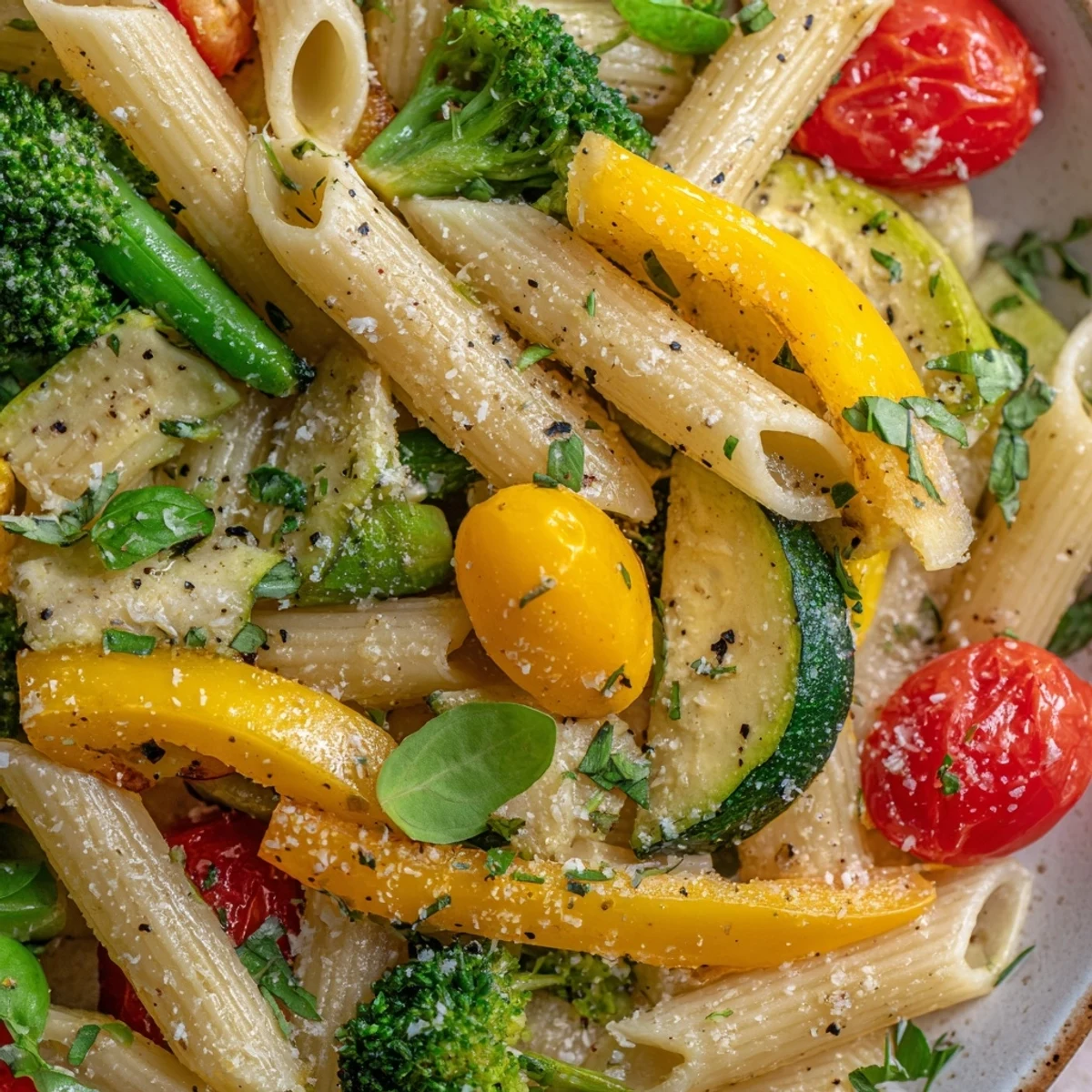
 Theres something so satisfying about a dish that celebrates vegetables this way, letting their natural flavors shine while still feeling indulgent and comforting.
Recipe FAQs
- → What vegetables work best in pasta primavera?
-
Traditional spring vegetables like zucchini, yellow squash, bell peppers, cherry tomatoes, sugar snap peas, and broccoli work beautifully. Feel free to substitute based on seasonality—asparagus, green beans, or peas make excellent alternatives.
- → How do I prevent the vegetables from becoming mushy?
-
Sauté the harder vegetables first (zucchini, squash, peppers, broccoli) for 4-5 minutes, then add quicker-cooking vegetables like cherry tomatoes and snap peas for just 2-3 minutes. This ensures all vegetables remain tender-crisp and vibrant.
- → Can I make this dish ahead of time?
-
It's best served immediately while the pasta is hot and vegetables retain their texture. If meal prepping, cook vegetables and pasta separately, then combine and reheat gently with a splash of pasta water or broth to refresh the sauce.
- → What type of pasta is ideal for primavera?
-
Penne, spaghetti, or fusilli capture the sauce and vegetables well. Short pasta shapes with ridges hold onto the light sauce beautifully, while long strands like spaghetti create elegant presentation. Choose high-quality Italian pasta for the best al dente texture.
- → How can I add more protein to this dish?
-
Grilled chicken, sautéed shrimp, or chickpeas complement the flavors wonderfully. You can also stir in ricotta cheese for creaminess and protein, or serve alongside a simple green salad with nuts for a complete vegetarian meal.
- → What wines pair well with pasta primavera?
-
Crisp white wines like Pinot Grigio or Sauvignon Blanc complement the fresh vegetables and light sauce beautifully. The acidity and citrus notes in these wines enhance the lemon-garlic flavors without overpowering the delicate vegetable taste.