
 Pin it
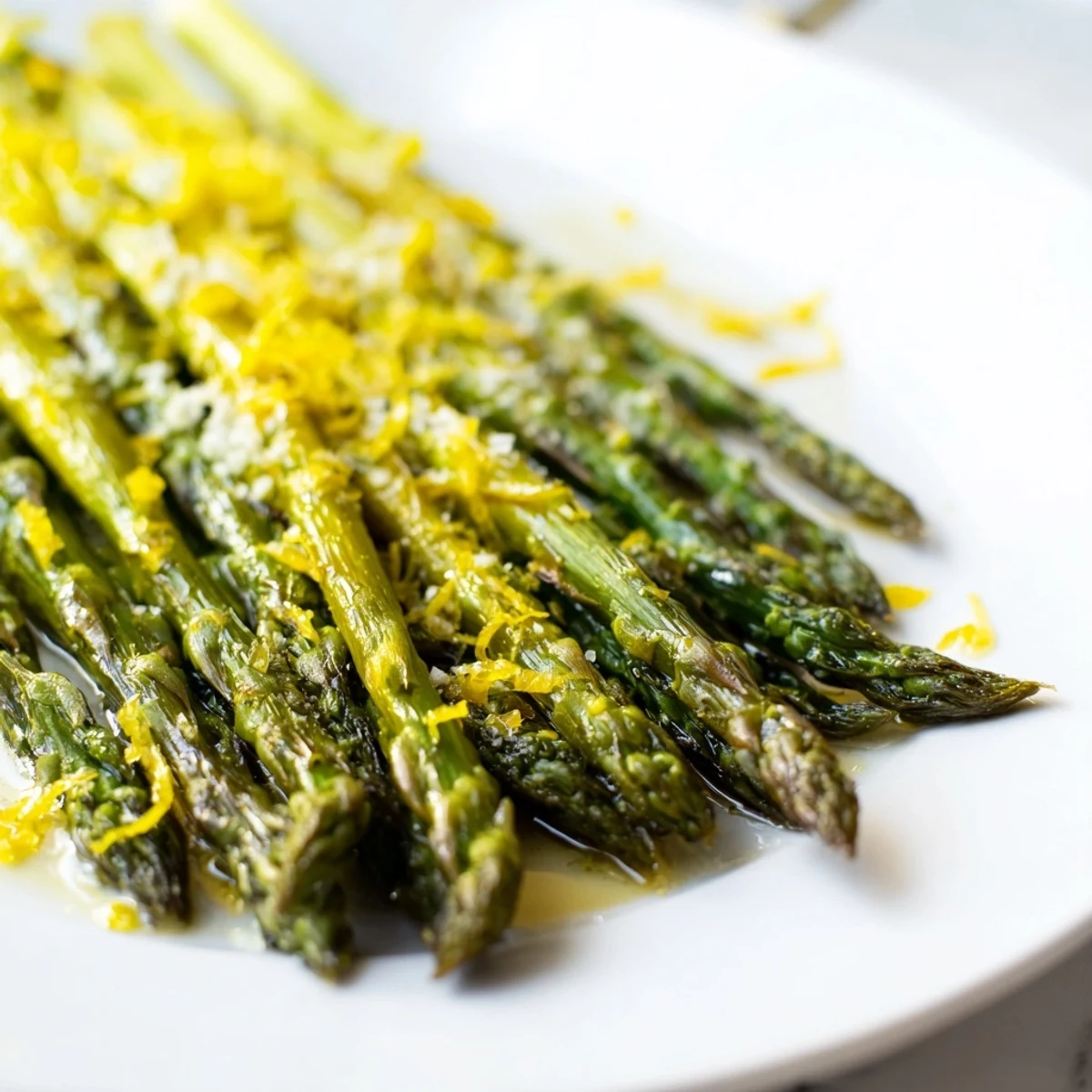
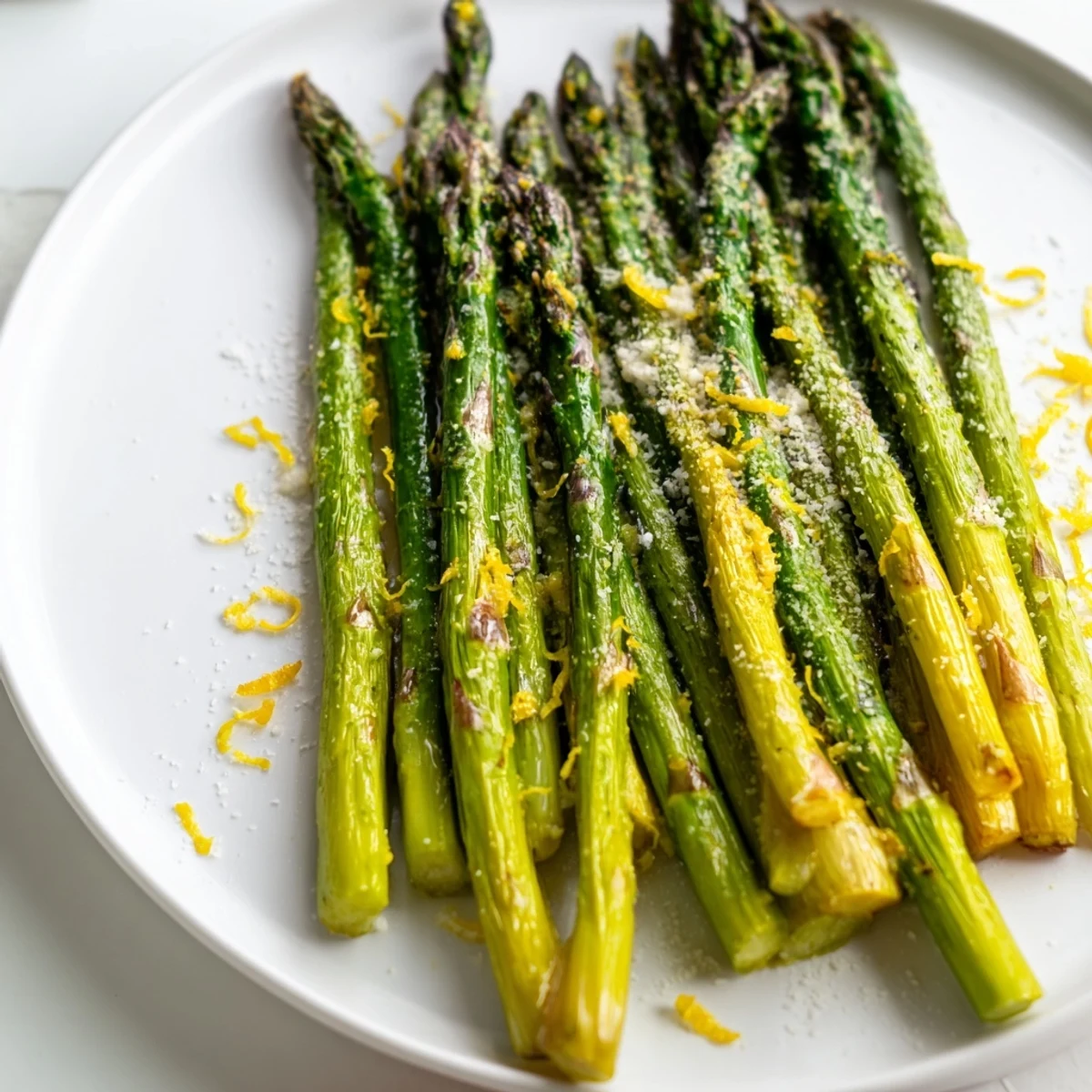
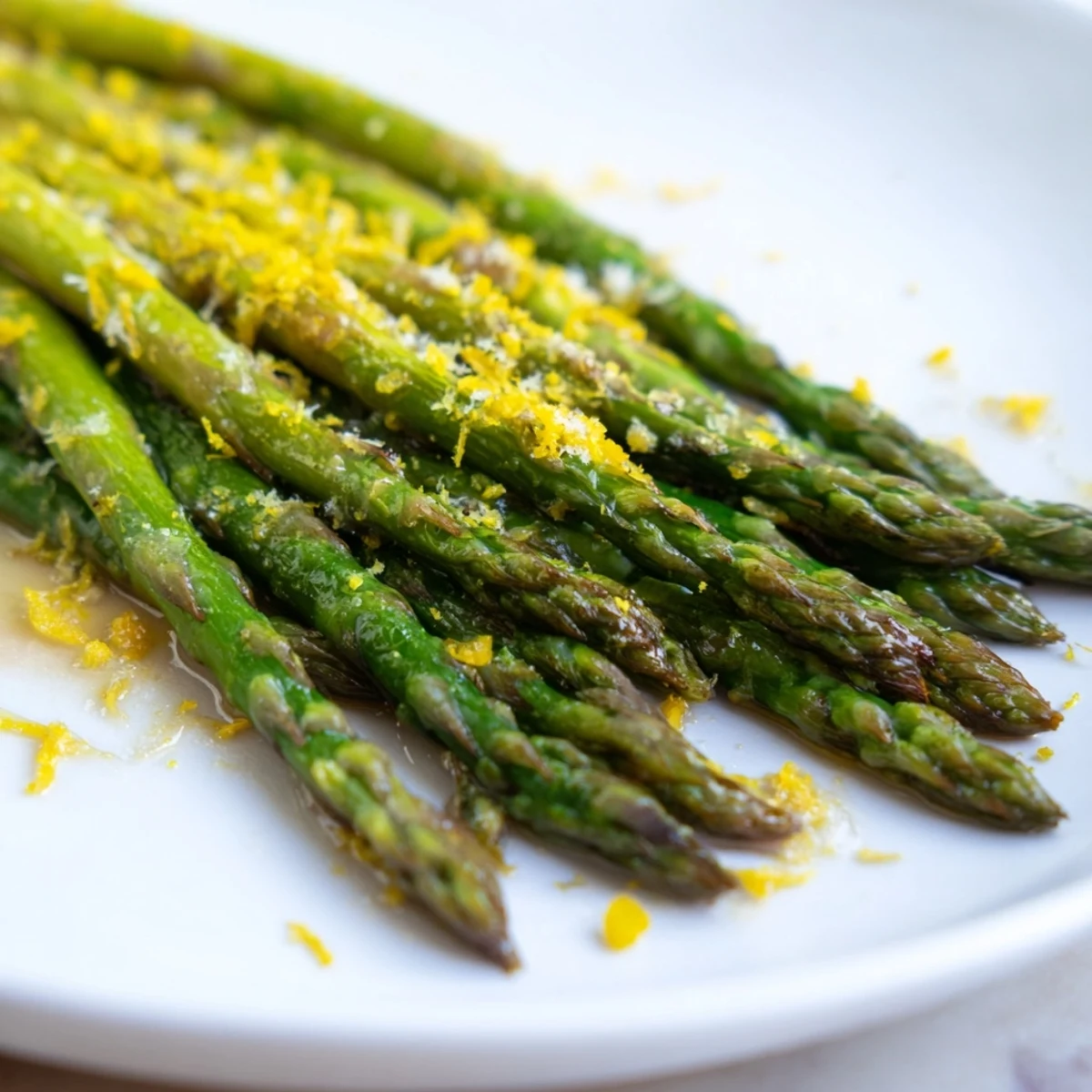
 Roasted asparagus is an elegant Mediterranean side that comes together in just 25 minutes. Fresh asparagus spears are tossed with olive oil, salt, and pepper, then roasted at 425°F until lightly browned and tender. The finishing touches—bright lemon zest, fresh juice, and grated Parmesan—elevate this simple vegetable into a sophisticated accompaniment. It's naturally vegetarian and gluten-free, making it perfect for any table.
The first time I made roasted asparagus, I was standing in the farmers market, those vibrant green spears practically calling my name from across the stalls. The vendor noticed my hesitation and handed me the freshest stalk to taste raw—that sweet, grassy crunch was a revelation. I hurried home with my bundle, added some lemon and Parmesan from my fridge, and discovered what would become my go-to spring side dish.
Last April, I served this at an impromptu dinner party when my college roommate showed up unannounced. The kitchen windows were open, letting in the evening breeze as the asparagus roasted. Everyone kept wandering in, drawn by the aroma of the caramelizing veggies and nutty Parmesan. My friend insisted I write down the recipe before she left, saying it was too good to forget.
Ingredients
- 1 lb fresh asparagus: Look for stalks with tight, compact tips and stems that aren't too woody at the base.
- Extra-virgin olive oil: Use the good stuff here—its flavor really shines through in simple preparations like this.
- Fresh lemon: The zest contains aromatic oils that bring a bright dimension you just can't get from bottled juice.
- Parmesan cheese: Freshly grated transforms into little melty pockets of savory goodness on the warm asparagus.
Instructions
- Prep your spears:
- Hold each asparagus stalk and bend until it naturally snaps, removing the woody bottom portion. This self-trimming trick ensures you're only eating the tender parts.
- Create your roasting bed:
- Arrange asparagus in a single layer on your parchment-lined baking sheet, giving them room to breathe. Crowded vegetables steam rather than roast, and we want those delicious browned edges.
- Season with intention:
- Drizzle the olive oil from high above the baking sheet to distribute it evenly, then use your hands to gently toss with salt and pepper. Your fingers are the best tools for making sure each spear gets properly coated.
- Mind the roasting time:
- At 425°F, thin spears might need just 10 minutes while thicker ones could take the full 15. They're done when a fork easily pierces the middle but before they get floppy.
- Finish while hot:
- The residual heat helps bloom the lemon zest's aroma and slightly melts the Parmesan. I like to add these final touches right as everyone's sitting down to maximize the flavor impact.
 Pin it
 My neighbor knocked on my door one evening as I was pulling a tray of this roasted asparagus from the oven. The conversation started with her asking about the wonderful smell and ended with us sharing dinner at my kitchen counter, talking for hours over the simple meal. Sometimes the most memorable connections happen over the most uncomplicated foods.
Seasonal Variations
In early spring, when asparagus first appears and tends to be pencil-thin, I reduce the roasting time to just 8 minutes and double the lemon zest to highlight their delicate flavor. Mid-season brings those perfect medium stalks, while late spring asparagus can be thick and more intensely flavored—these benefit from an extra minute or two in the oven and pair beautifully with a pinch of red pepper flakes for complexity.
Make It a Meal
This roasted asparagus has become my secret weapon for elevating simple proteins. Last week, I served it alongside a plain baked chicken breast, and the vibrant green spears with their bright lemon notes completely transformed what would have been an ordinary dinner. The Parmesan creates a flavor bridge that works with practically anything, from grilled fish to a humble fried egg.
Storage and Reheating
I once discovered leftover roasted asparagus in my fridge the morning after making it and chopped it into my scrambled eggs—an accidental revelation that's now part of my regular routine. While this dish is best fresh from the oven, leftovers will keep for about two days in an airtight container.
- For the best texture when reheating, use a hot skillet rather than the microwave to preserve some crispness.
- Cold leftover asparagus makes a surprisingly delicious addition to grain bowls or chopped into a salad.
- If the Parmesan seems to have disappeared overnight, a fresh light sprinkling before serving brings back that savory punch.
 Pin it
 This humble side dish has taught me that the most satisfying cooking often comes from the simplest preparations. With ingredients this fresh and vibrant, your job is merely to coax out their natural beauty.
Recipe FAQs
- → How do I prevent asparagus from becoming mushy?
-
Roast at a high temperature (425°F) and check at 12 minutes. Asparagus should be just tender with slight browning. Thinner spears cook faster than thick ones, so consider separating them by size for even cooking.
- → Can I prepare asparagus ahead of time?
-
Yes, trim and arrange asparagus on the baking sheet up to 2 hours before roasting. Store covered in the refrigerator. Add oil and seasonings just before roasting for best texture and flavor.
- → What's the best way to zest a lemon?
-
Use a microplane zester or fine grater, working over the asparagus to catch all the flavorful oils. Avoid the white pith underneath, which tastes bitter. A vegetable peeler works in a pinch—just mince finely.
- → How can I add more flavor to this dish?
-
Toast pine nuts or slivered almonds and sprinkle on top for crunch. Add minced garlic to the oil before drizzling. Substitute Pecorino Romano for sharper cheese or drizzle with balsamic glaze for depth.
- → What pairs well with roasted asparagus?
-
This side complements grilled chicken, salmon, steak, or roasted fish beautifully. It's also delicious alongside pasta dishes, risotto, or served as part of a Mediterranean vegetable spread.