
 Pin it
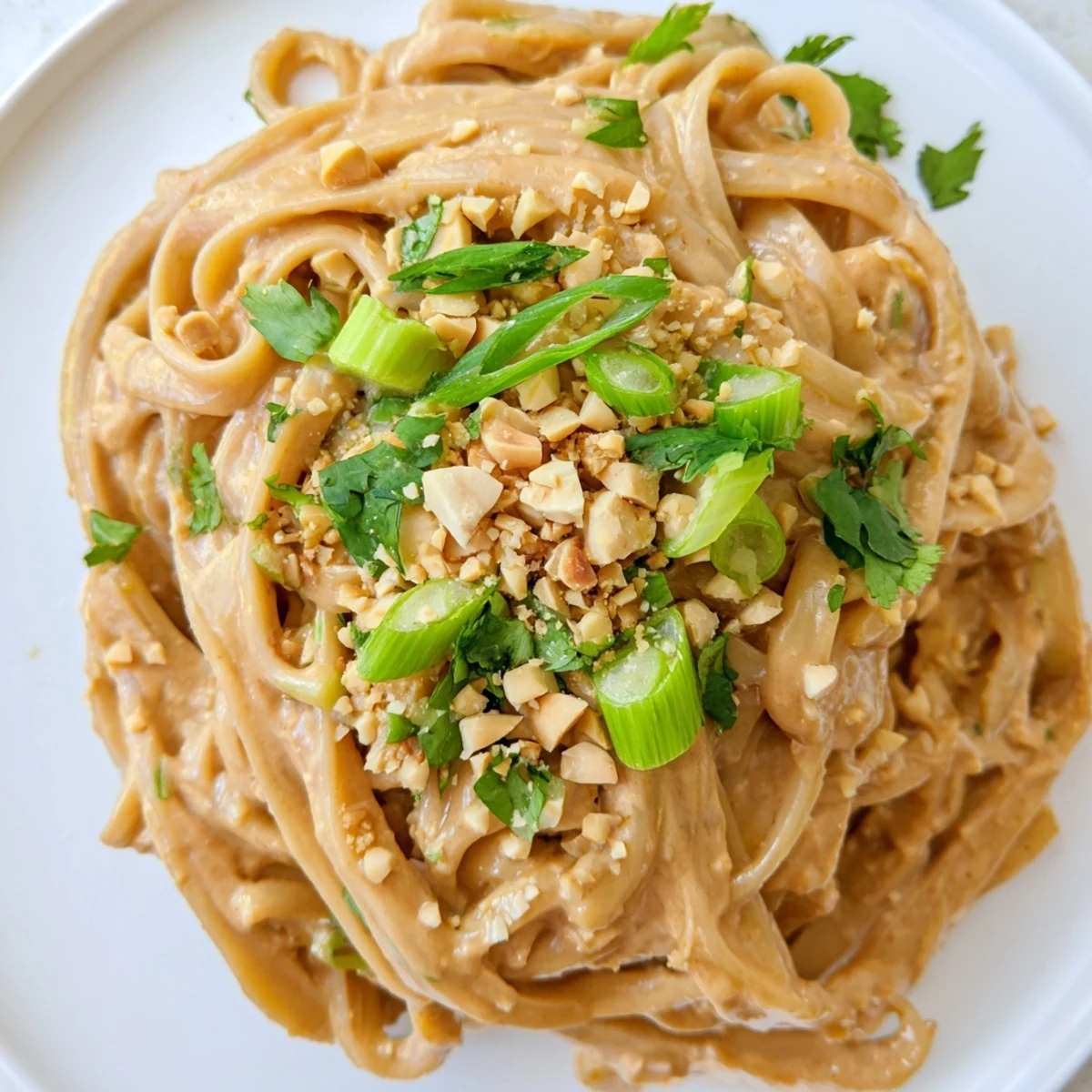
 These sticky peanut butter noodles come together in just 20 minutes, making them perfect for busy weeknights. The creamy, rich sauce clings beautifully to wheat noodles, creating that irresistible sticky texture everyone loves.
The sauce balances nutty peanut butter with tangy rice vinegar, savory soy sauce, and a touch of sweetness from honey. Sriracha adds gentle heat that you can adjust to your preference. Toasted sesame oil brings aromatic depth while fresh garlic and ginger provide bright, zesty notes.
Top with crunchy peanuts, fresh spring onions, and sesame seeds for texture contrast. The dish is naturally vegetarian and easily adaptable—add grilled tofu, chicken, or shrimp for protein, or toss in steamed vegetables for extra nutrition.
I discovered these noodles during a rainy Tuesday when the pantry was bare but the peanut butter jar was full. What started as desperation cooking turned into the weeknight dinner my roommates started requesting by name. The way the sauce clings to every strand still makes my kitchen smell like my favorite takeout place, but better.
My friend Sarah once ate three bowls straight from the mixing bowl while standing at my counter, pausing only to demand I write down the recipe. Now I make double batches because the leftovers somehow taste even better the next day, if they survive that long.
Ingredients
- Dried wheat noodles: These grab the sauce better than rice noodles, though spaghetti works perfectly in a pinch
- Sesame oil: A light coating keeps noodles from clumping while adding that essential nutty base note
- Creamy peanut butter: Natural styles can separate, so stir well before measuring for the smoothest sauce
- Soy sauce: Low sodium lets you control the salt level while still getting that deep savory umami
- Rice vinegar: Adds just enough brightness to cut through the rich peanut butter
- Honey or maple syrup: Balances the salt and heat, creating that addictive sweet-savory profile
- Warm water: This thins the sauce into something pourable while keeping it glossy and coat-everything
- Sriracha: Start with less than you think, then taste and adjust
- Fresh garlic and ginger: These aromatics make the sauce taste alive rather than flat
- Spring onions: Their sharp crunch cuts through the creaminess beautifully
Instructions
- Cook the noodles perfectly:
- Boil until just tender, then rinse quickly under cold water to stop the cooking and wash away excess starch
- Whisk the sauce:
- Mix everything except the water first, then gradually stream in the warm liquid while whisking to prevent any lumps
- Coat everything thoroughly:
- Pour the sauce over warm noodles and toss for a full minute until every single strand is glossy and covered
- Add the finishing touches:
- Scatter toppings generously right before serving so they stay crunchy and fresh
 Pin it
 Last summer I made these for a potluck and watched them disappear in under ten minutes. Someone actually licked the serving bowl clean, which I took as the highest possible compliment.
Making It Your Own
Ive topped these with everything from crispy tofu to shredded rotisserie chicken, but they are surprisingly satisfying completely plant-based. The sauce is rich enough that no one notices the lack of meat.
Perfecting That Sticky Texture
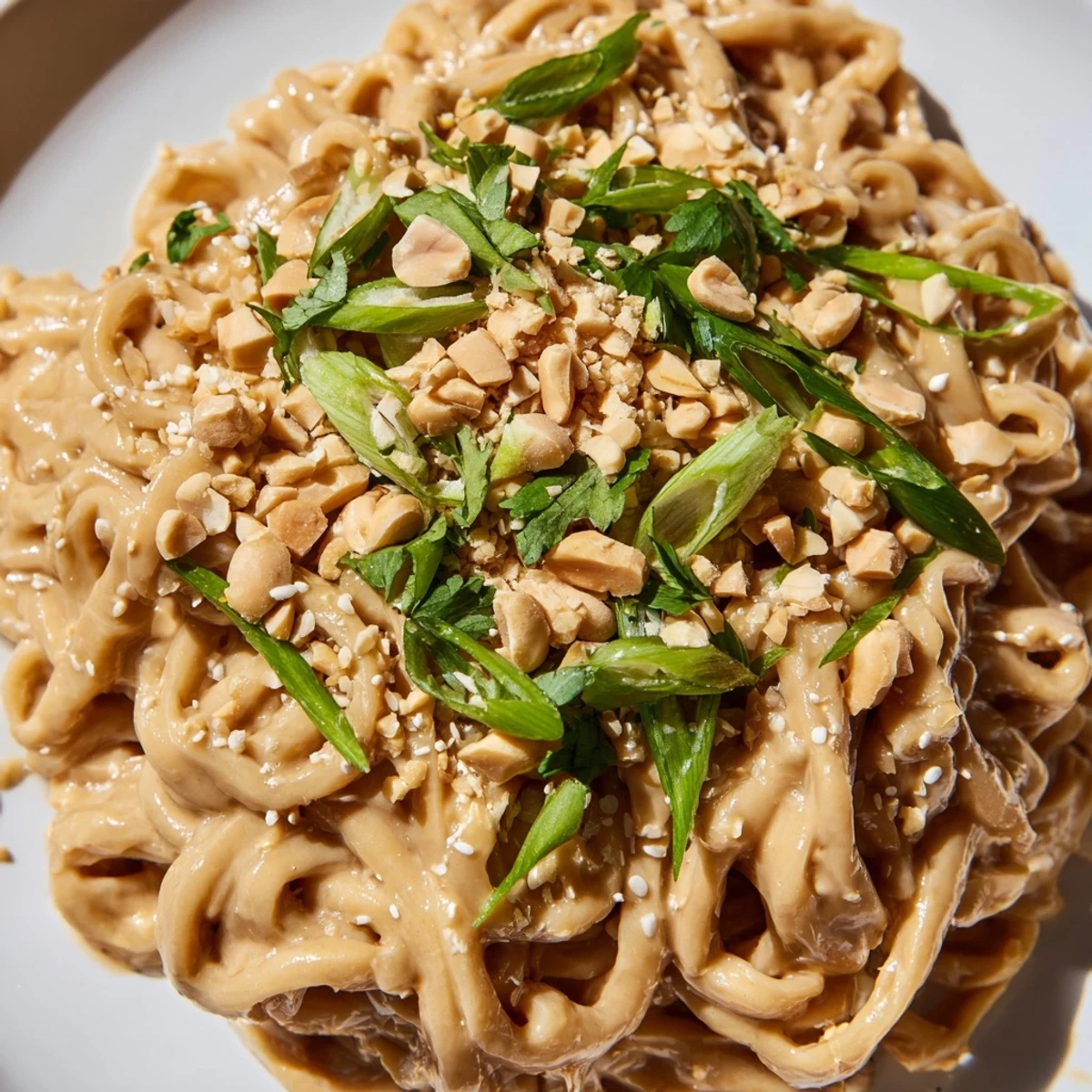
The secret is tossing the noodles while they are still slightly warm. Cold noodles make the sauce seize up and get clumpy instead of coating each strand in that glossy, cling-everywhere way that makes this dish so special.
Serving Suggestions
A simple cucumber salad with rice vinegar on the side cuts through the richness perfectly. Some steamed broccoli or snap peas tossed into the noodles at the end adds crunch and makes it feel like a complete meal.
- Serve extra lime wedges on the side so everyone can add their own bright hit of acid
- Crushed peanuts on top are non-negotiable for that essential texture contrast
- These reheat beautifully with just a tiny splash of water to loosen the sauce
 Pin it
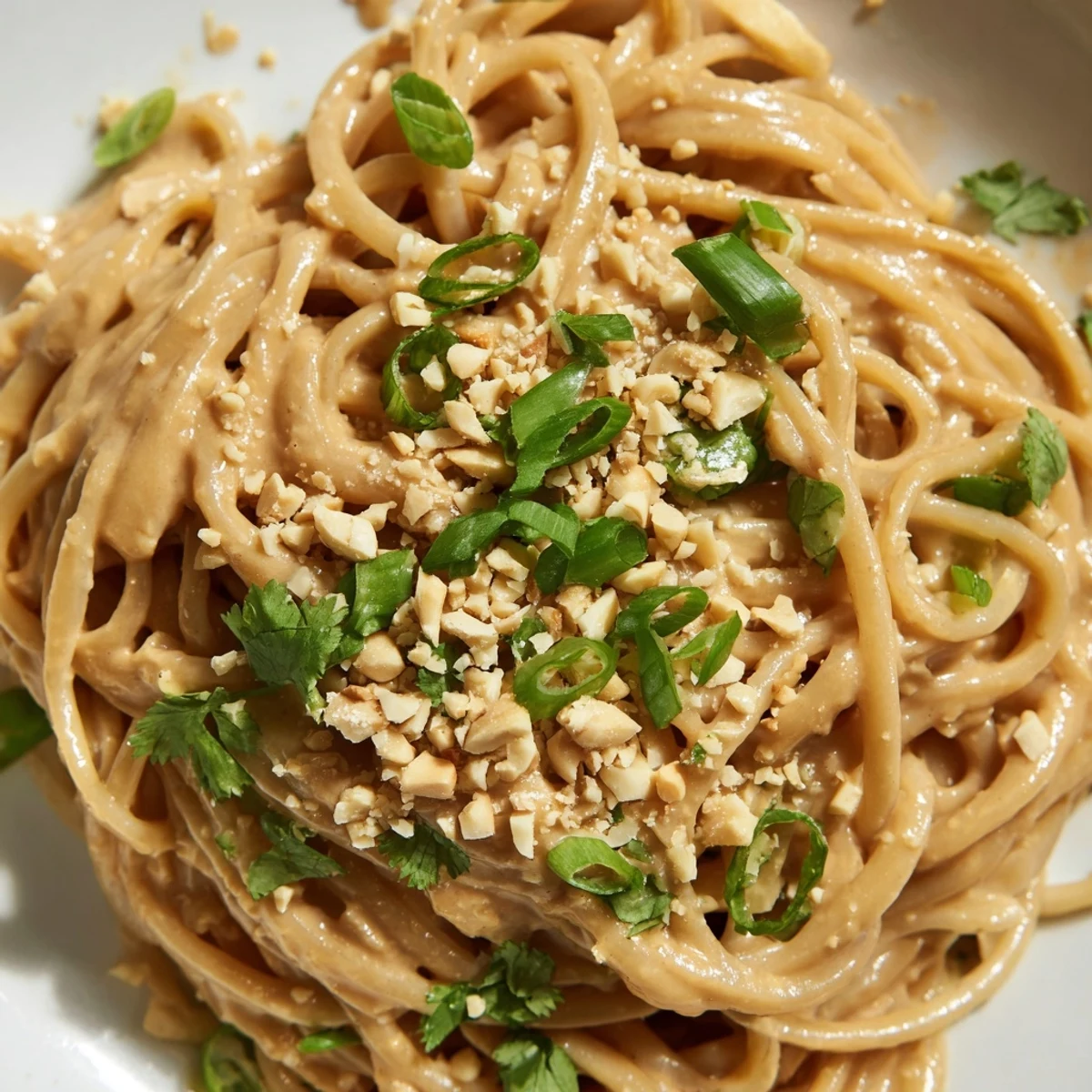
 Some nights the best dinners are the ones that come together fast and disappear even faster. These noodles have saved more weeknights than I can count.
Recipe FAQs
- → Can I make these peanut butter noodles gluten-free?
-
Yes, simply use gluten-free noodles like soba, rice noodles, or gluten-free spaghetti. Replace regular soy sauce with tamari or certified gluten-free soy sauce. Double-check all condiment labels to ensure they're certified gluten-free.
- → How do I store and reheat leftover sticky noodles?
-
Store cooled noodles in an airtight container in the refrigerator for up to 3 days. The sauce thickens when cold, so add a splash of warm water when reheating. Warm gently in the microwave or on the stovetop over low heat, stirring occasionally until heated through and creamy again.
- → Can I adjust the spice level in this dish?
-
Absolutely. Start with 1 tablespoon sriracha for mild heat, or reduce to 1 teaspoon for a very gentle warmth. For more spice, increase sriracha to 2 tablespoons or add crushed red pepper flakes. You can also use sambal oelek or your favorite hot sauce instead of sriracha.
- → What type of peanut butter works best?
-
Creamy peanut butter creates the smoothest sauce. Natural peanut butter works wonderfully—just stir it well before measuring since oil separates. Avoid chunky peanut butter if you prefer a smooth texture. For a nut-free version, try sunflower seed butter or tahini.
- → Can I add vegetables to these peanut butter noodles?
-
Yes, steamed or stir-fried vegetables are excellent additions. Try broccoli florets, snap peas, shredded carrots, bell peppers, or edamame. Add them during the final minute of noodle cooking or stir-fry separately and toss in at the end. The creamy sauce pairs well with almost any vegetable.
- → What protein options work well with this dish?
-
Grilled or baked tofu cubes absorb the sauce beautifully. Shredded rotisserie chicken, sautéed shrimp, or pan-fried tempeh also work well. For a quick option, crack eggs into the hot noodles and stir gently until just set. Crispy pan-fried tofu adds wonderful texture contrast.