
 Pin it
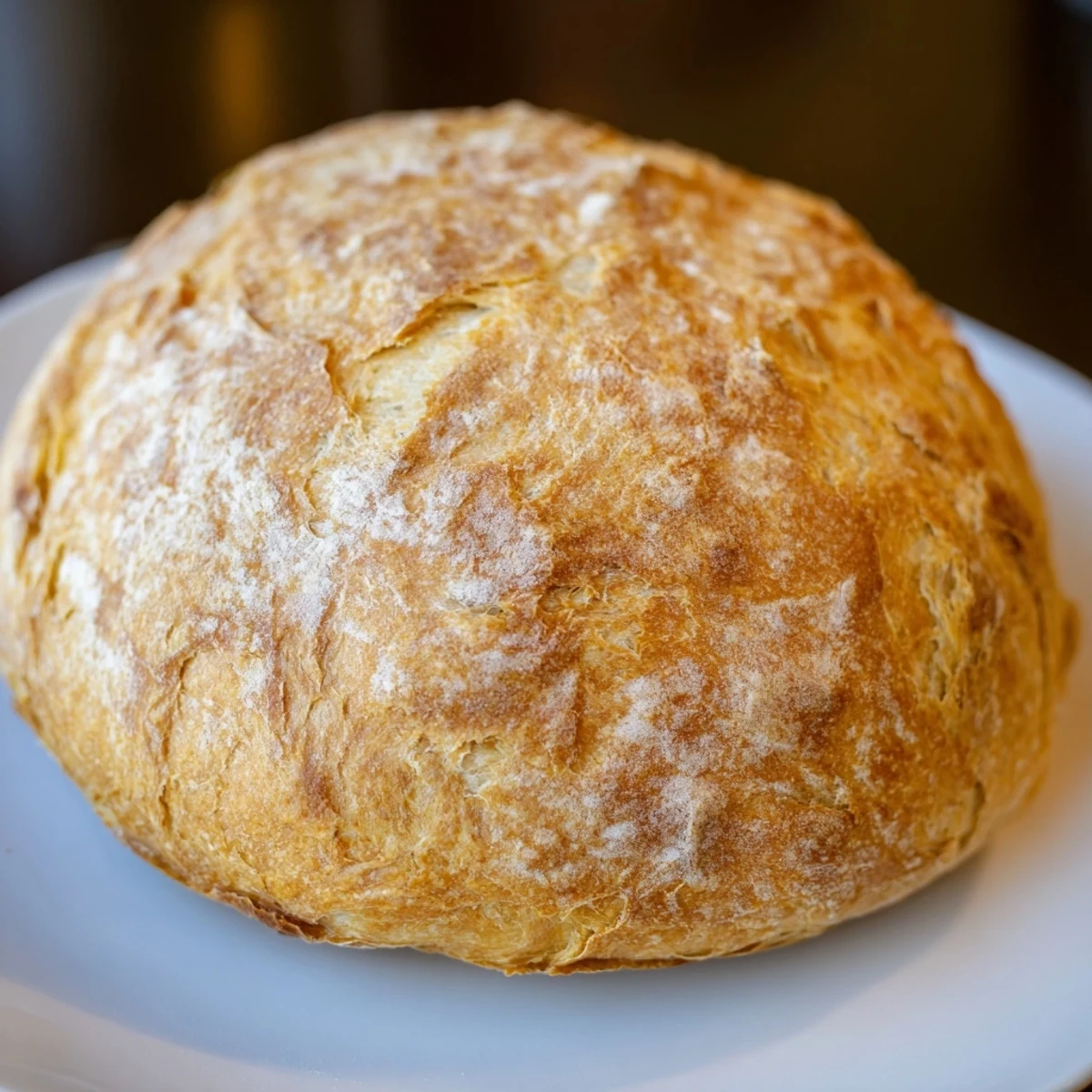
 This stovetop method delivers soft, pillowy bread with a golden crust without needing an oven. The dough combines flour, yeast, sugar, and salt, kneaded until elastic then risen for an hour. Cook slowly in a covered skillet over low heat, flipping once to ensure both sides develop a beautiful golden color. The result is a tender loaf with a satisfying hollow sound when tapped—perfect for warm slices with butter. Add dried herbs like rosemary or thyme for extra flavor depth.
Last winter my oven died right before dinner guests arrived, and I panicked until I remembered hearing about stovetop bread. The loaf that came out of that cast iron skillet had such a beautiful crust and tender inside that nobody believed it hadn't been baked. Now I make this just because I prefer the result.
My sister visited during a power outage and watched me cook this over a camping burner, completely skeptical until she took her first bite warm from the pan. She called me the next day to say she'd made three loaves for her family, and now it's become her weekend ritual too.
Ingredients
- All-purpose flour: Bread flour would work too, but AP gives such a tender crumb that I've stopped experimenting
- Instant yeast: No proofing needed, which saves time and eliminates one possible failure point
- Sugar: Just enough to feed the yeast and help browning, not enough to make it sweet
- Salt: Enhances flavor and strengthens gluten structure
- Olive oil: Keeps the dough supple and adds subtle richness to the final loaf
- Warm water: Should feel like bath temperature, too hot kills yeast, too cold slows everything down
Instructions
- Mix the dry ingredients:
- Combine flour, yeast, sugar, and salt in a large bowl until evenly distributed
- Bring the dough together:
- Pour in warm water and olive oil, stir with a wooden spoon until a shaggy mass forms
- Knead until smooth:
- Turn onto a floured surface and knead for 8 to 10 minutes, adding flour only if sticky
- Let it rise:
- Place in an oiled bowl, cover with a damp cloth, and wait about 1 hour until doubled
- Shape the loaf:
- Punch down gently and form into a round, smooth ball
- Prep the pan:
- Coat a heavy skillet with oil and place dough in the center
- First cook:
- Cover tightly and cook over the lowest heat for 15 minutes, watching for burning
- Flip and finish:
- Carefully turn the bread, cover again, and cook 12 to 15 minutes more until hollow sounding
- Cool before slicing:
- Let rest on a wire rack for at least 15 minutes to set the crumb
 Pin it
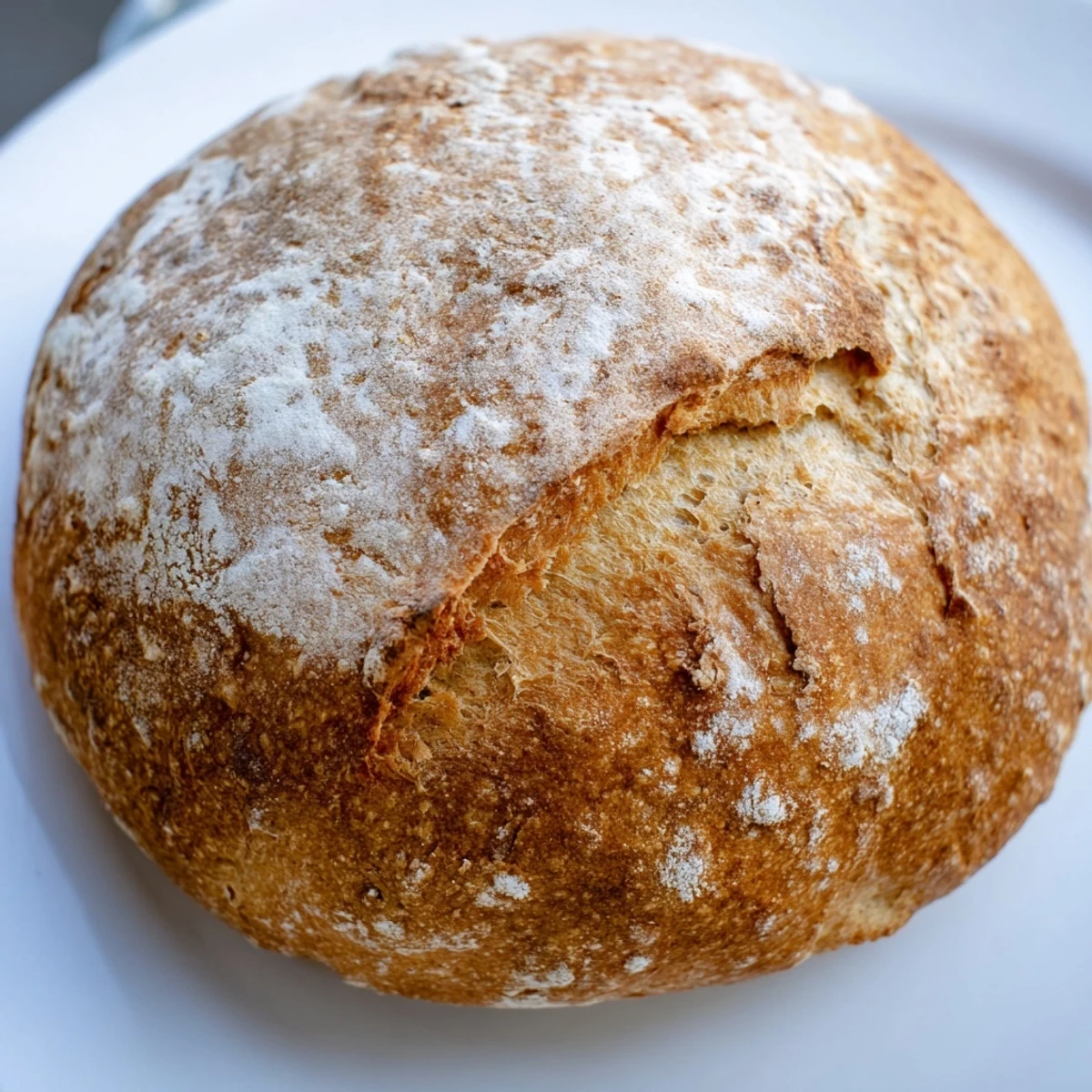
 There's something so satisfying about flipping a loaf of bread halfway through cooking, watching that golden brown underside emerge from the steam. My neighbor smelled it through an open window and now requests a loaf every time I fire up the skillet.
Getting That Golden Crust
The skillet contact creates caramelization that most home ovens simply can't achieve without professional steam injection. I've found that a well-seasoned cast iron pan gives the deepest color, though nonstick works if that's what you have.
Troubleshooting Flat Loaves
If your bread comes out dense, it's usually because the heat was too low and the dough overproofed before it started cooking. Preheating the pan for just two minutes before adding the dough helps give it that initial lift.
Serving Ideas
This bread soaks up sauces and stews beautifully, making it ideal for serving alongside pasta or braised meats. The texture also works perfectly for paninis the next day.
- Try adding minced garlic or rosemary to the dough for variation
- Wrap cooled loaves in cloth to keep them soft for hours
- Leftover slices toast up beautifully for breakfast
 Pin it
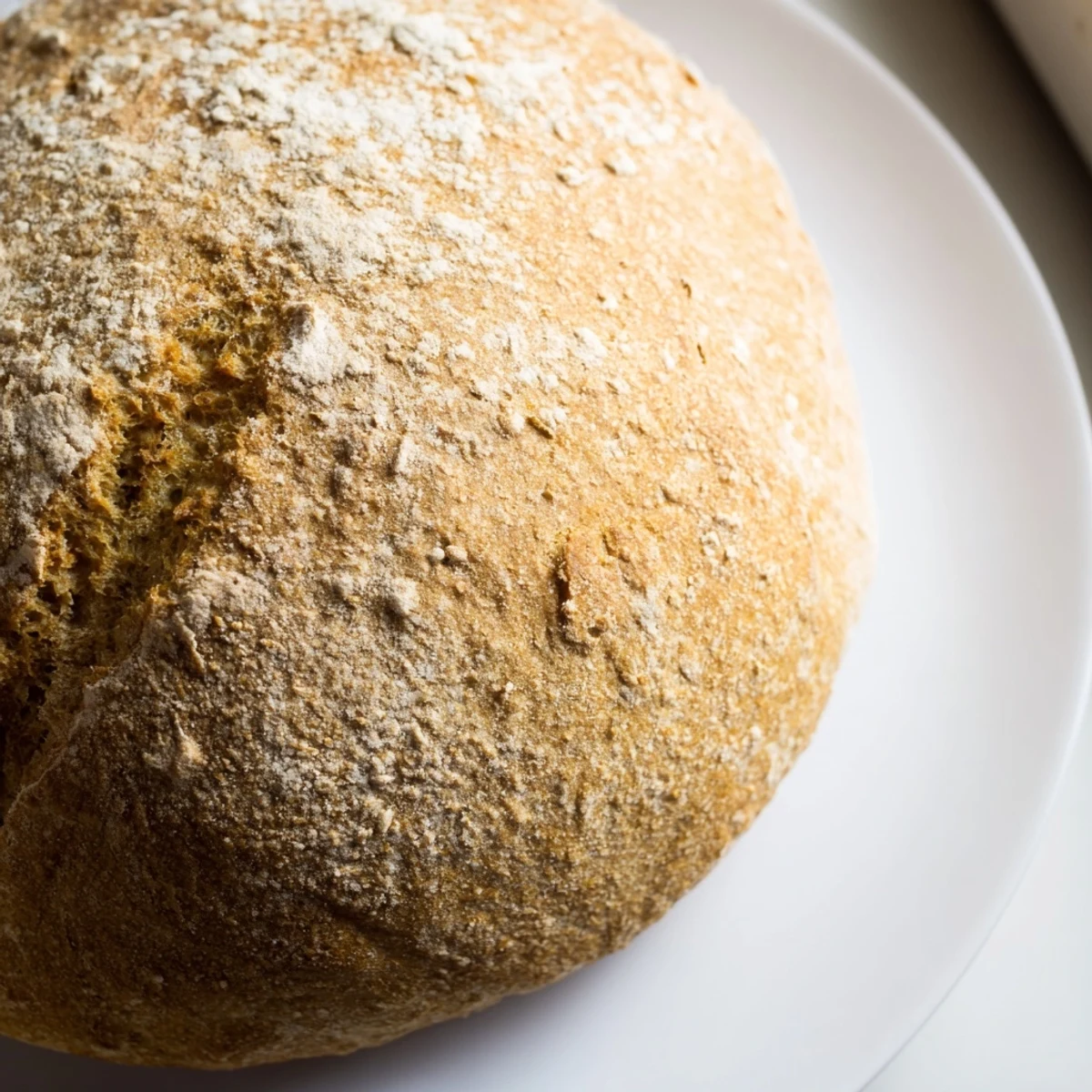
 Some of my most memorable meals have started with this simple skillet bread, fresh from the pan and passed around the table. There's a kind of magic in making something so elemental with such basic equipment.
Recipe FAQs
- → Why cook bread on the stovetop instead of using an oven?
-
Stovetop baking works perfectly when you lack an oven, want to save energy, or need fresh bread quickly. The covered skillet creates steam that helps develop a soft interior while the direct heat forms a golden crust.
- → How do I know when the bread is done cooking?
-
The bread is ready when both sides are golden brown and it produces a hollow sound when tapped on the bottom. This typically takes 12-15 minutes per side over low heat.
- → Can I use whole wheat flour instead of all-purpose?
-
Yes, but expect a denser texture. Start by replacing half the all-purpose flour with whole wheat, and add slightly more warm water if the dough feels too dry.
- → Why does the dough need to rise for an hour?
-
The rising time allows yeast to ferment and create carbon dioxide bubbles, making the bread light and fluffy. Skipping this step results in dense, heavy bread.
- → What if I don't have a tight-fitting lid for my skillet?
-
You can use aluminum foil to cover the pan tightly. The trapped steam is essential for proper cooking and achieving that soft interior texture.