
 Pin it
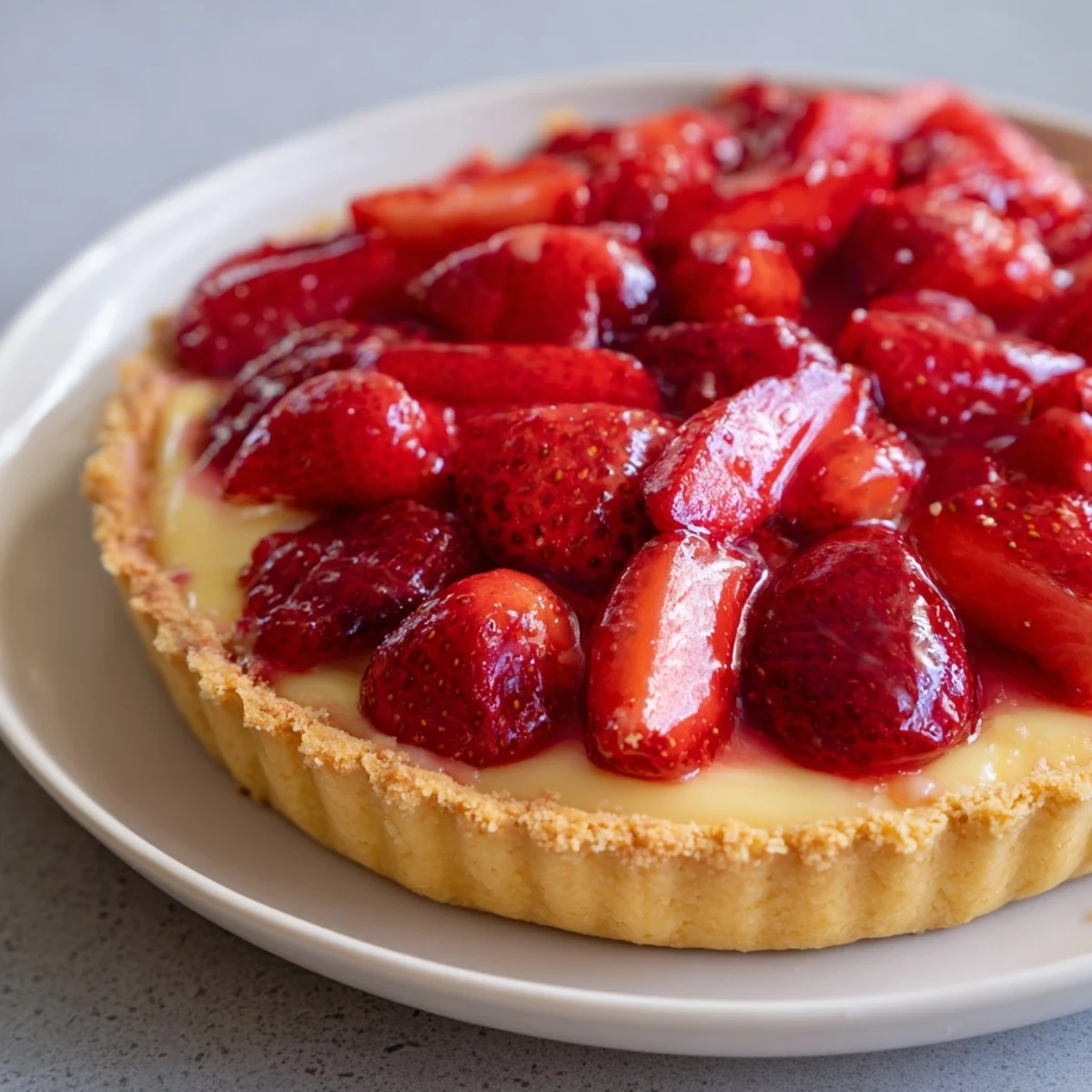
 Préparez une pâte sablée (250 g farine, 125 g beurre, 80 g sucre, 1 œuf), étalez-la et cuisez-la à blanc 30 min à 180°C. Réalisez une crème pâtissière vanillée avec 500 ml de lait, 100 g de sucre, 4 jaunes et 40 g de maïzena, incorporez 30 g de beurre et filmez au contact. Garnissez la pâte refroidie, disposez 500 g de fraises fraîches et nappez d'une confiture d'abricot chauffée pour un joli brillant. Réfrigérez 1 h avant de servir. Donne 8 parts.
The first time I tried baking tarte aux fraises at home, the entire kitchen seemed to hum with anticipation. The scent of vanilla steeping in milk mingled with the iconic sweet aroma of strawberries freshly sliced, making it impossible not to sneak a taste. Somehow, working the cold butter into the flour felt oddly therapeutic, the kind of quiet afternoon moment that soothes the mind as much as the palate. This is my go-to dessert when strawberries are impossibly red and sweet in the spring markets.
There was an afternoon when I baked this tart for a rooftop picnic with friends on one of those rare, perfect April days: warm sun, a gentle breeze, and laughter competing with the city sounds. Someone tried to cut the tart before it was chilled, and we all ended up with messy plates and sticky fingers–but nobody minded, because the flavor spoke for itself. Making it for others added an unexpected joy to the process.
Ingredients
- Flour (250 g): I find using a basic all-purpose flour gives the right texture for the crust, and sifting it before mixing helps keep everything tender.
- Cold unsalted butter (125 g): Make sure it stays chilled; this helps create a delicate, crumbly sablée base instead of a chewy one.
- Powdered sugar (80 g): It dissolves effortlessly in the dough, giving a tender sweetness without grittiness.
- Egg (1): Adds richness and brings the dough together; cracking it into a separate bowl helps avoid accidental shell bits.
- Pinch of salt: Just a tiny bit makes all the buttery and sweet flavors pop, never to be skipped.
- Whole milk (500 ml): For the crème pâtissière, don&apost skimp here; the milk&aposs fat ensures creaminess and depth.
- Vanilla pod or extract: Fresh vanilla pod is special, but extract saves time and still delivers warmth; don&apost skip infusing it with the milk.
- Sugar (100 g): Essential for balancing the custard, and I&aposve learned not to cut back here.
- Egg yolks (4): These thicken the pastry cream and provide a beautiful yellow hue.
- Cornstarch (40 g): Sift it in to avoid lumps; it makes the cream set instead of run.
- Butter (30 g): Swirl it in at the end for the silkiest finish, best done off the heat.
- Fresh strawberries (500 g): Don&apost wash them until just before assembly, and dry them well to avoid watering down the tart.
- Apricot jam (2 tbsp) + water (1 tbsp): Warming them together creates a shiny glaze that keeps the berries beautiful and juicy.
Instructions
- Make the sablée crust:
- Rub the cold butter into your sifted flour, sugar, and salt with the tips of your fingers until the mixture feels like soft sand. Add the egg, mix gently just until a dough forms, then press it into a disc, wrap, and chill for half an hour.
- Blind bake the tart shell:
- Roll out the chilled dough and gently fit it into your tart mold, pressing evenly into the corners. Prick the base with a fork, cover with parchment and baking weights, and bake at 180°C for 20 minutes, then bake 10 minutes more without the weights until golden and crisp–the shell should smell warm and nutty.
- Prepare the crème pâtissière:
- Heat the milk with the vanilla until just simmering. Whisk yolks and sugar until light, beat in cornstarch, then gradually add a bit of hot milk, whisking to avoid scrambling, before returning everything to the pan and stirring over medium heat until thick and glossy; finish off heat with butter and chill under plastic wrap touching the surface.
- Prepare the strawberries:
- Quickly rinse the fruit, hull, dry thoroughly, and slice or halve according to your design taste.
- Assemble the tart:
- Spoon cool pastry cream into the cooled shell and smooth the top. Artfully arrange the strawberries in circles or scatter them playfully–there&aposs no wrong way.
- Glaze and chill:
- Warm apricot jam with water and brush it lightly over the fruit for a glossy, fragrant finish. Chill the tart for at least one hour before slicing to let everything set to perfection.
 Pin it
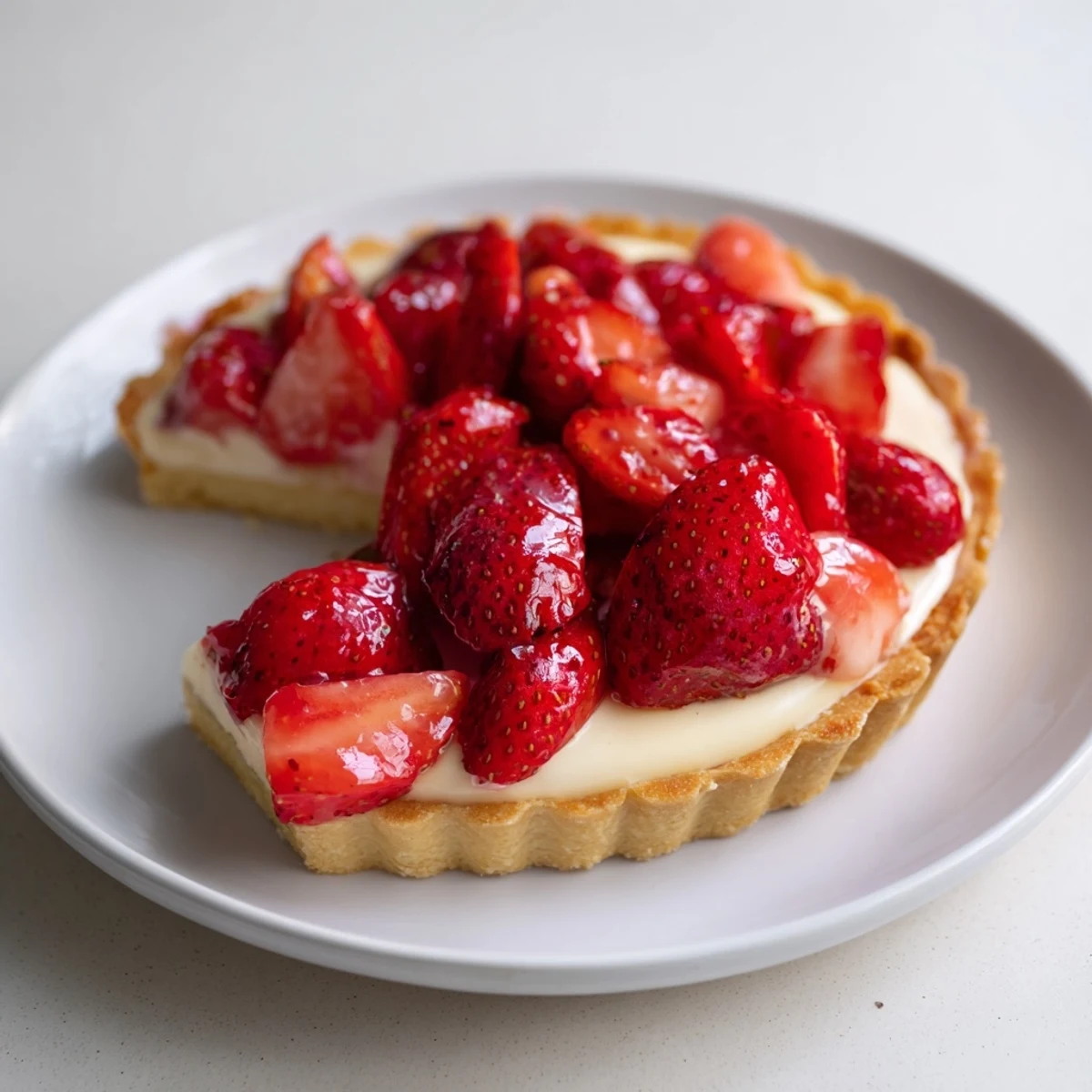
 Everyone remembers the crunch of the first bite–the contrast between buttery crust, cold velvety cream, and juicy strawberry is what turned this tart into a regular feature at summer birthdays in my family. Sometimes the best part is seeing empty plates come back, a sign of quiet approval that needs no words.
Choosing Your Strawberries
The biggest surprise was how much better this tart tastes with tiny, intensely flavored local strawberries–the kind you find at farmer&aposs markets in late spring. Overripe berries can be too mushy and watery, while underripe ones lack the deep sweetness, so go for fragrant berries that stain your fingers after slicing. I never bother with perfection; wonky, odd shapes make the tart look rustic and inviting.
Mastering the Pastry Cream
Don&apost rush the stirring of the crème pâtissière, and keep the heat gentle once it starts to thicken–a split custard is so hard to fix but easier to prevent. I&aposve learned to press cling wrap directly onto the warm cream to keep it extra smooth and prevent a pesky skin forming. Sometimes I sneak a bit of lemon zest in for brightness, especially if the berries lean very sweet that day.
Assembly Tricks for Stunning Results
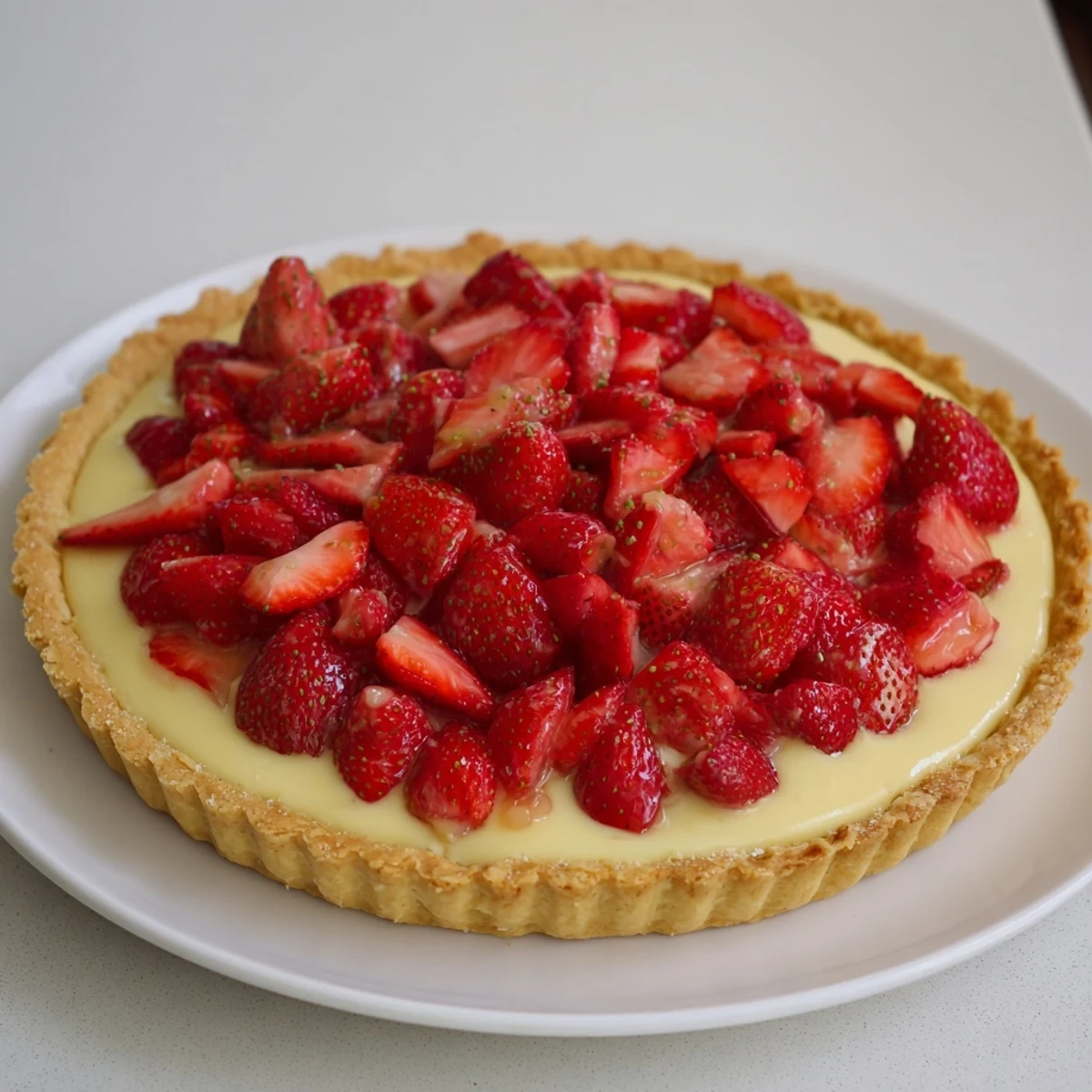
Resist overfilling with cream; a modest layer keeps each slice neat and makes the fruit shine. Arranging the strawberries in concentric circles is classic, but random clusters taste just as good and feel less fussy at home. The apricot glaze isn&apost just for shine–it locks in freshness so you can make the tart ahead for guests.
- If your jam is too thick, add a splash more water before brushing.
- Use a small offset spatula for an even layer of cream.
- Chill your tart tin before baking to help prevent shrinkage.
 Pin it
 Every time I make a tarte aux fraises, I'm reminded how something as simple as seasonal fruit and homemade custard can transform a table. I hope you enjoy both the quiet steps and the smile it brings to those who share it with you.
Recipe FAQs
- → Comment éviter une pâte détrempée ?
-
Cuisez la pâte à blanc avec poids (papier sulfurisé + billes ou légumes secs) pour 20 min, retirez les poids et prolongez 8–10 min jusqu'à légère coloration. Laissez refroidir complètement avant de garnir pour conserver le croustillant.
- → Comment épaissir la crème pâtissière sans grumeaux ?
-
Délayez la maïzena avec un peu de jaunes et sucre, tempérez avec un filet de lait chaud avant de reverser le mélange dans la casserole. Fouettez sans cesse à feu moyen jusqu'à épaississement, puis retirez et incorporez le beurre en dehors du feu.
- → Peut-on remplacer la confiture d'abricot pour le nappage ?
-
Oui : un nappage neutre à base de gelée de coing ou un sirop léger (confiture diluée avec un peu d'eau) apporte brillance sans trop sucrer. Chauffez légèrement pour faciliter l'étalement.
- → Combien de temps se conserve la préparation ?
-
La tarte nappée se conserve 24 heures au frais. La crème pâtissière peut être préparée la veille et tenue au froid, filmée au contact pour éviter la peau. Évitez de conserver plus longtemps pour préserver texture et fraîcheur des fraises.
- → Des astuces pour des fraises bien présentées ?
-
Séchez délicatement les fraises après lavage, équeutez et coupez selon la forme souhaitée. Disposez-les en cercles concentriques ou en motifs alternés pour un visuel harmonieux avant le glaçage.
- → Quelles variations aromatiques conviennent à la crème ?
-
Ajoutez un zeste de citron pour un contraste acidulé, ou incorporez une cuillère de liqueur (Cointreau, Grand Marnier) une fois la crème refroidie pour une note aromatique subtile.