
 Pin it
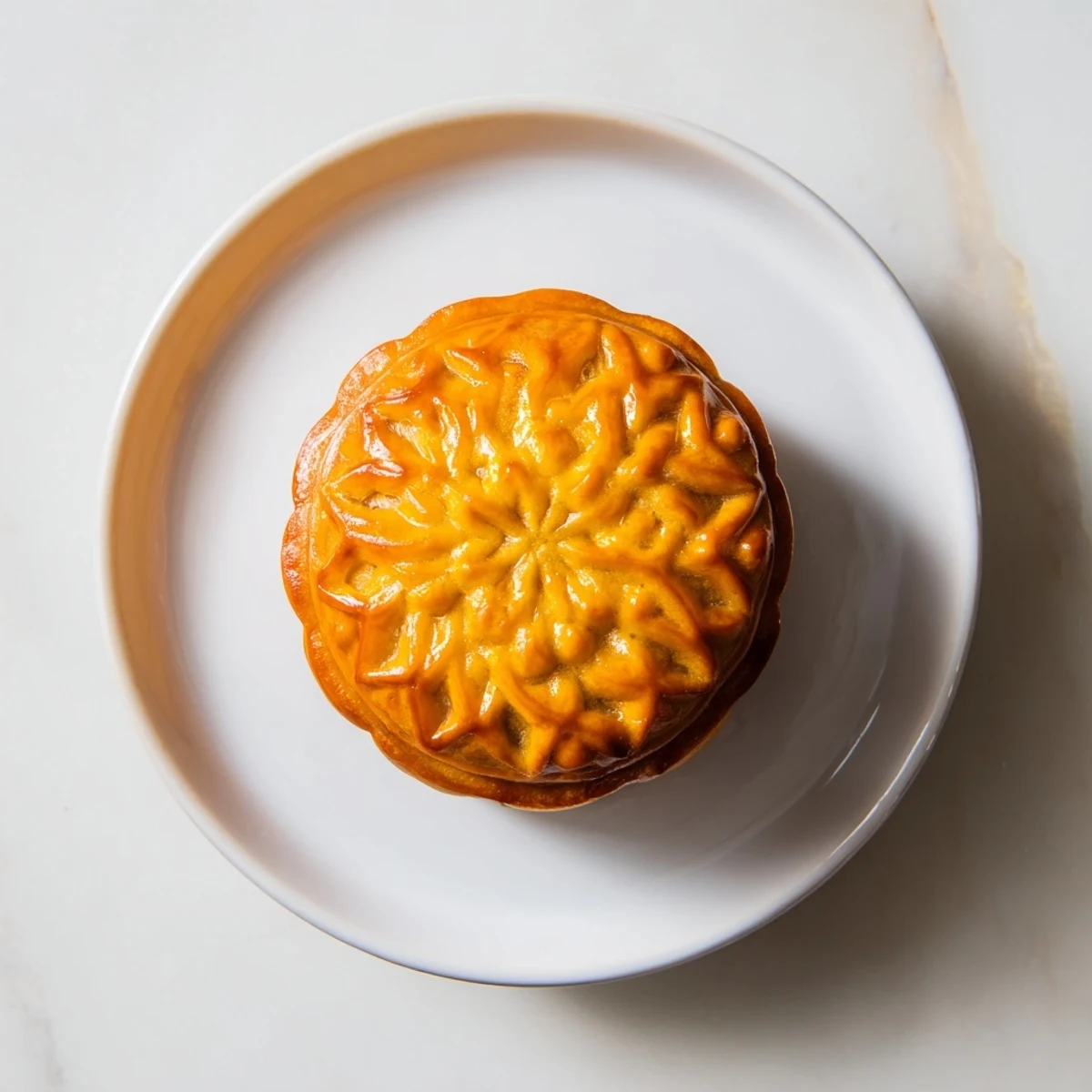
 These traditional Chinese mooncakes feature a tender, golden pastry encasing rich lotus seed paste with optional salted egg yolks. The dough combines golden syrup and alkaline water for that signature chewy texture. After shaping in decorative molds, a quick egg wash creates the beautiful glossy finish. Allow finished mooncakes to rest for 1-2 days—the skin softens beautifully while the filling develops its characteristic dense, sweet profile.
The scent of golden syrup always brings me back to my grandmother's kitchen during Mid-Autumn Festival, when the whole house would fill with this distinctive honey-like aroma. She insisted on making mooncakes from scratch, saying the store-bought ones never captured the same tenderness. I spent countless afternoons watching her hands work the dough, learning that patience is the secret ingredient you cannot buy.
Last year I made these for my neighbors who had never tried homemade mooncakes before. Watching their eyes light up at that first bite of the rich lotus paste and the surprise of the salted egg yolk center reminded me why this recipe matters. They kept asking what made them taste so different from the bakery versions, and I told them the difference is in the resting time and the love.
Ingredients
- Golden syrup: This thick amber syrup is non-negotiable for authentic flavor and that signature tender crust, honey simply will not give you the same texture
- Alkaline water: A tiny amount helps neutralize the syrup's acidity and gives the dough that characteristic golden color when baked
- Lotus seed paste: Smooth creamy and slightly sweet, this traditional filling creates the perfect contrast to the salted egg yolk
- Salted egg yolks: These golden centers add a rich savory element that balances the sweet paste and creates that authentic mooncake experience
- All-purpose flour: Regular flour works beautifully here, no need for special bread or cake flour for the perfect tender wrapper
Instructions
- Mix the syrup base:
- Combine golden syrup, vegetable oil, and alkaline water in a bowl, stirring until completely smooth and emulsified. The mixture should look glossy and thick, like liquid honey.
- Form the dough:
- Add flour to the syrup mixture and gently mix until a soft dough forms, being careful not to overwork it. Cover the bowl and let it rest for 30 minutes so the flour can fully hydrate and the dough becomes easier to handle.
- Prepare the filling:
- Divide lotus seed paste into 12 equal portions and if using salted egg yolks, nestle one into the center of each paste ball, reshaping to completely enclose it. The filling should feel smooth and round with no cracks.
- Shape the mooncakes:
- Flatten a dough piece into a disc, place a filling ball in the center, and carefully wrap the dough around it, pinching to seal completely. Lightly dust with flour, press into your mold, and invert onto the baking tray.
- Initial bake:
- Bake at 180°C for just 5 minutes to set the shape, then remove and let cool for 10 minutes before glazing. This short bake prevents the mooncakes from puffing up too much.
- Glaze and finish:
- Whisk egg yolk with water and brush a very thin layer over the cooled mooncakes, then return to the oven for 15-20 minutes until deep golden brown. The glaze gives them that beautiful glossy finish.
 Pin it
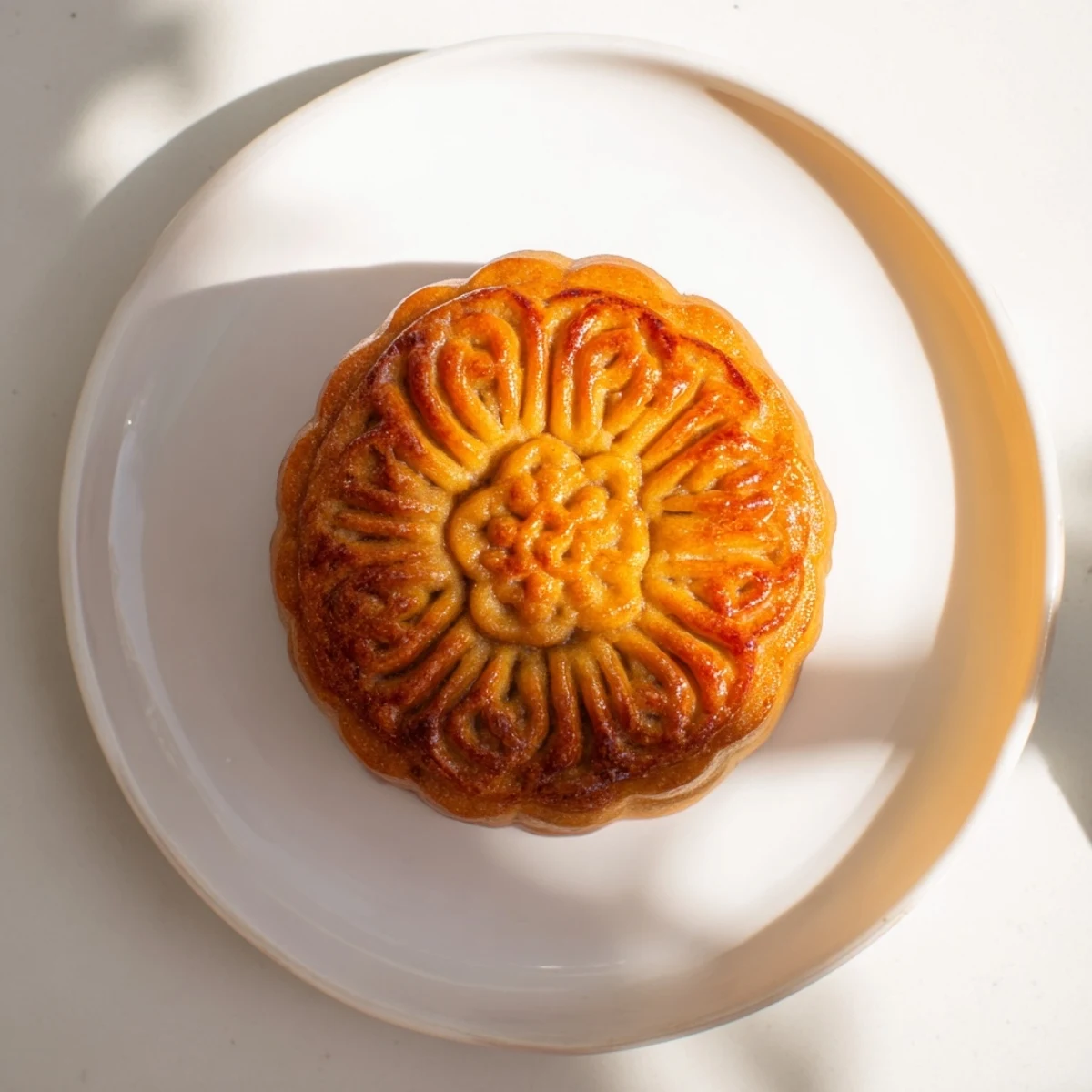
 My first batch of mooncakes had ugly cracks because I rushed the resting step, and my grandmother just smiled and said good things come to those who wait. Now I always make them a day ahead of our festival gathering, knowing the patience pays off in every tender bite.
Working With Mooncake Molds
Dusting your mold with flour before each use is crucial or the dough will stick and tear when you try to release it. I learned to tap the mold firmly against the counter before inverting to help the mooncake release cleanly. Traditional wooden molds require a bit more flour than modern plastic ones.
Choosing Your Filling
Lotus seed paste is the classic choice, but do not be afraid to try red bean paste for a earthier sweetness or black sesame for a nutty twist. The key is using store-bought paste that is smooth and not too sweet, or making your own if you are feeling ambitious.
Storage And Serving
Freshly baked mooncakes have a slightly crisp skin that needs time to soften into that signature tender texture. Store them in an airtight container at room temperature and wait at least 24 hours before serving for the best experience. They keep for up to two weeks if they last that long.
- Slice mooncakes carefully with a sharp knife to show off the beautiful layers inside
- Pair with hot oolong or pu-erh tea to cut through the richness
- Small wedges are perfect since each mooncake is quite dense and sweet
 Pin it
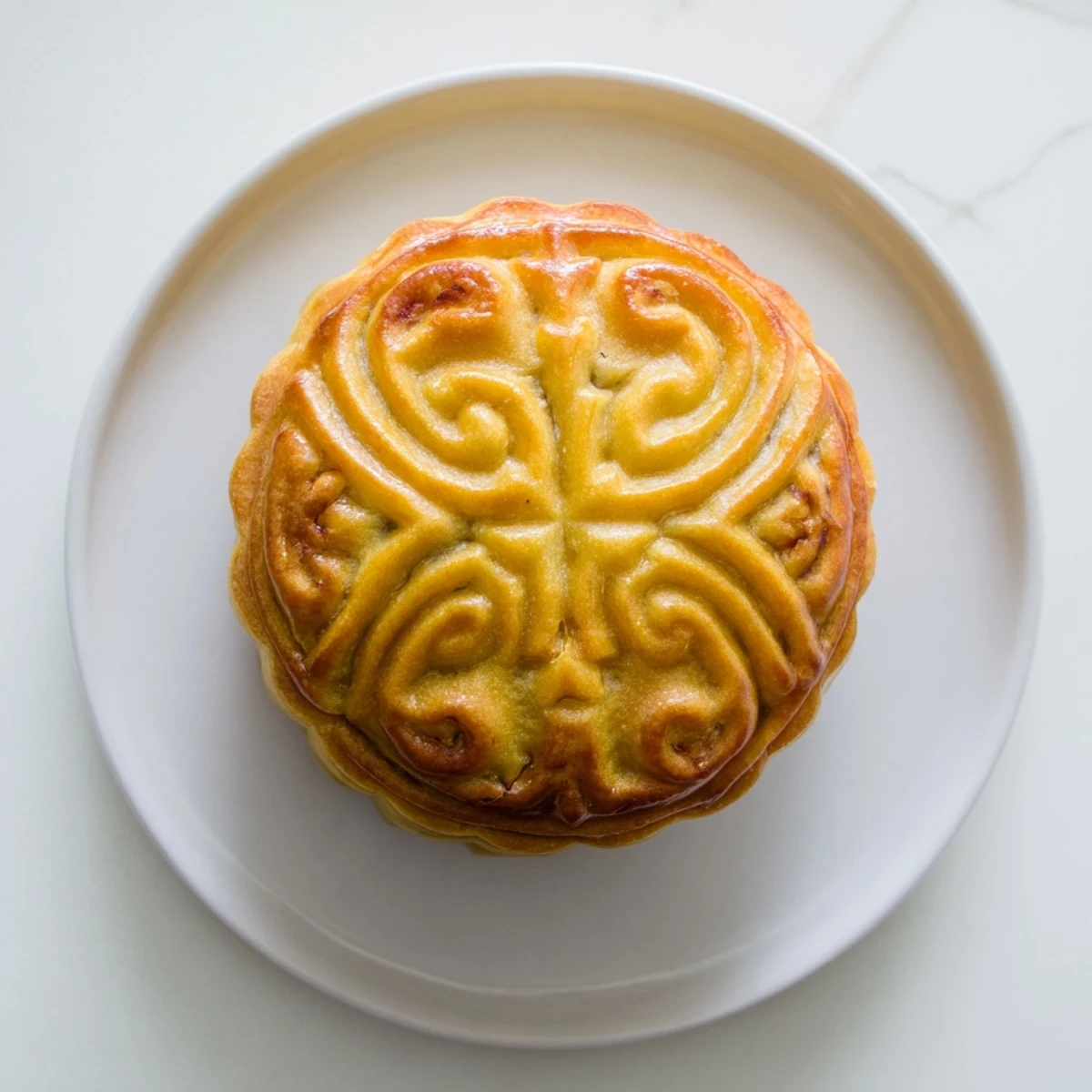
 Sharing these mooncakes with family while watching the full moon rise has become my favorite way to celebrate the season.
Recipe FAQs
- → What is the purpose of alkaline water in mooncake dough?
-
Alkaline water (lye water) gives mooncakes their signature golden-brown color and distinctive chewy texture. It also helps neutralize the acidity of the golden syrup, creating that traditional tender pastry that's characteristic of authentic mooncakes.
- → Why must mooncakes rest before serving?
-
Resting mooncakes for 1-2 days allows the skin to soften and the filling to mature. Freshly baked mooncakes have a crisp exterior, but the traditional texture develops as moisture redistributes throughout the pastry, creating that signature tender, slightly chewy mouthfeel.
- → Can I make mooncakes without a mold?
-
While molds create the traditional decorative patterns and uniform shape, you can shape mooncakes by hand. Roll them into smooth balls and flatten slightly, or use a cookie cutter to create decorative impressions. The taste remains authentic, though the appearance will be simpler.
- → What alternatives work for lotus seed paste?
-
Red bean paste is the most common alternative, offering a slightly earthier sweetness. Black sesame paste provides a nutty profile, while date paste creates a richer, darker filling. Each brings its own character while maintaining the traditional dense, sweet texture that defines mooncake fillings.
- → How do I store mooncakes and how long do they last?
-
Store mooncakes in an airtight container at room temperature for up to 2 weeks. For longer storage, refrigerate for up to a month, though bring to room temperature before serving for the best texture. The filling actually improves slightly after a few days as flavors meld together.
- → What's the best way to prevent the filling from leaking during baking?
-
Ensure the dough completely seals the filling ball, pinching edges tightly together. Check for thin spots or tears before placing in the mold. Dusting with flour helps prevent sticking, and avoid overfilling—about 40g of filling per 25g dough is the ideal ratio for proper coverage.