
 Pin it
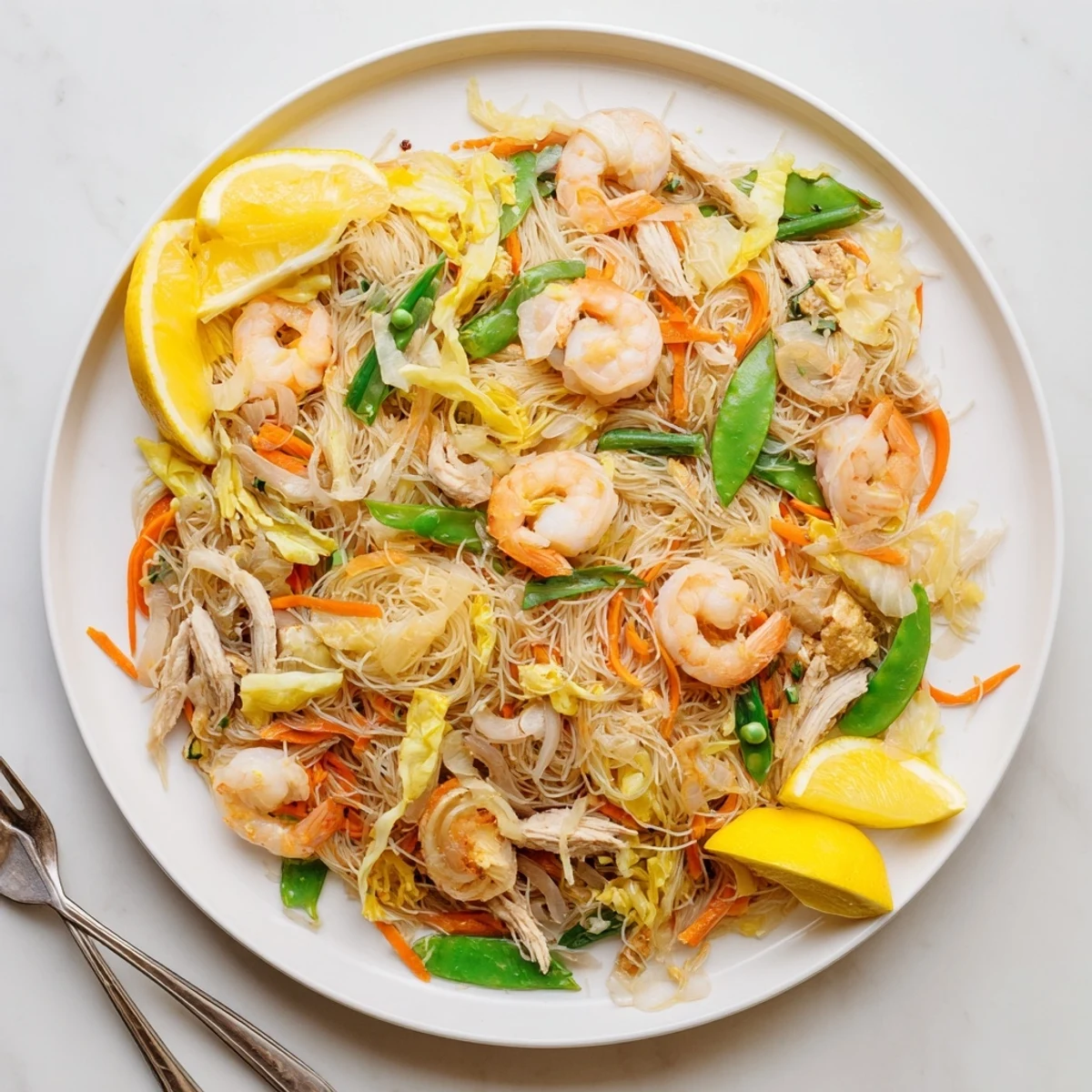
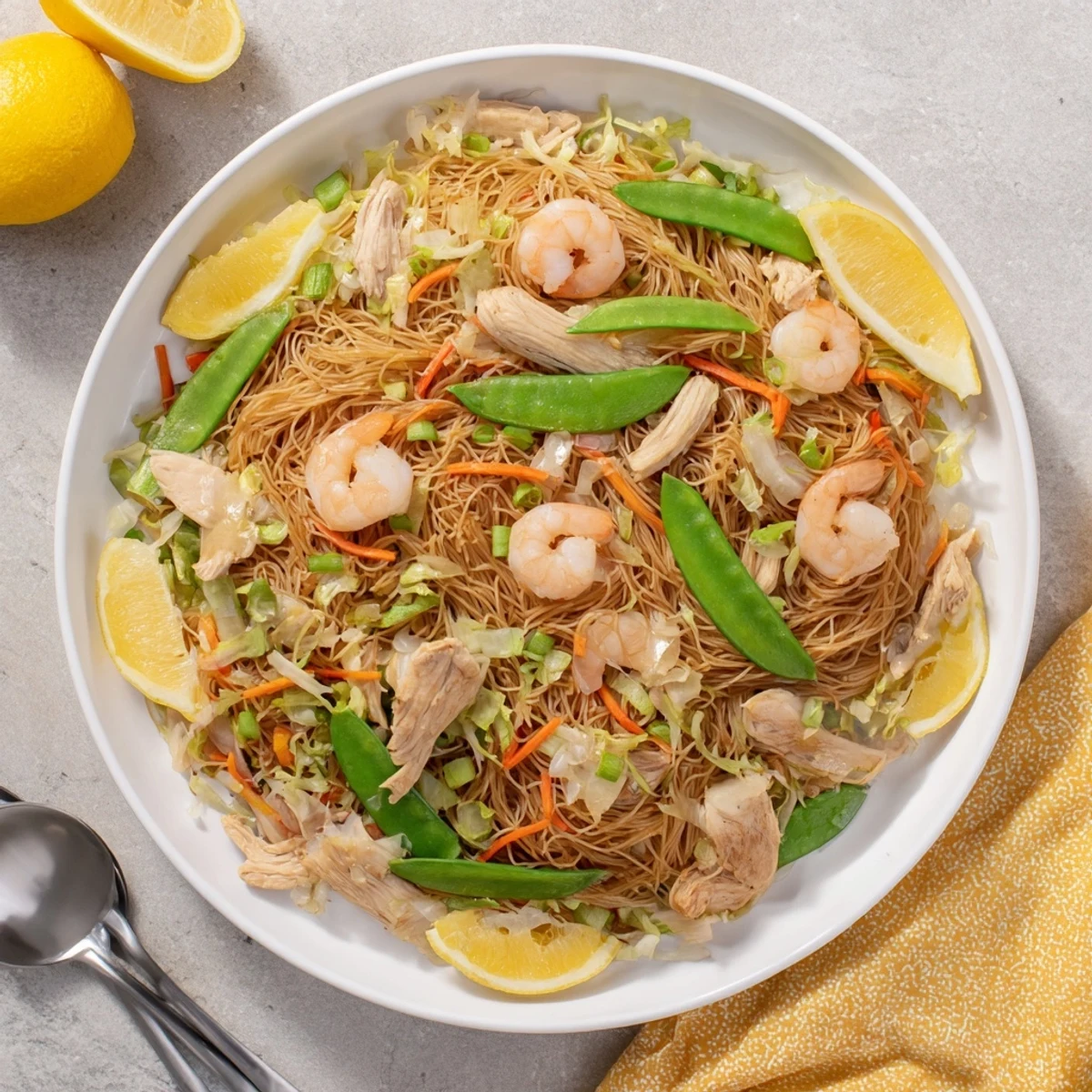
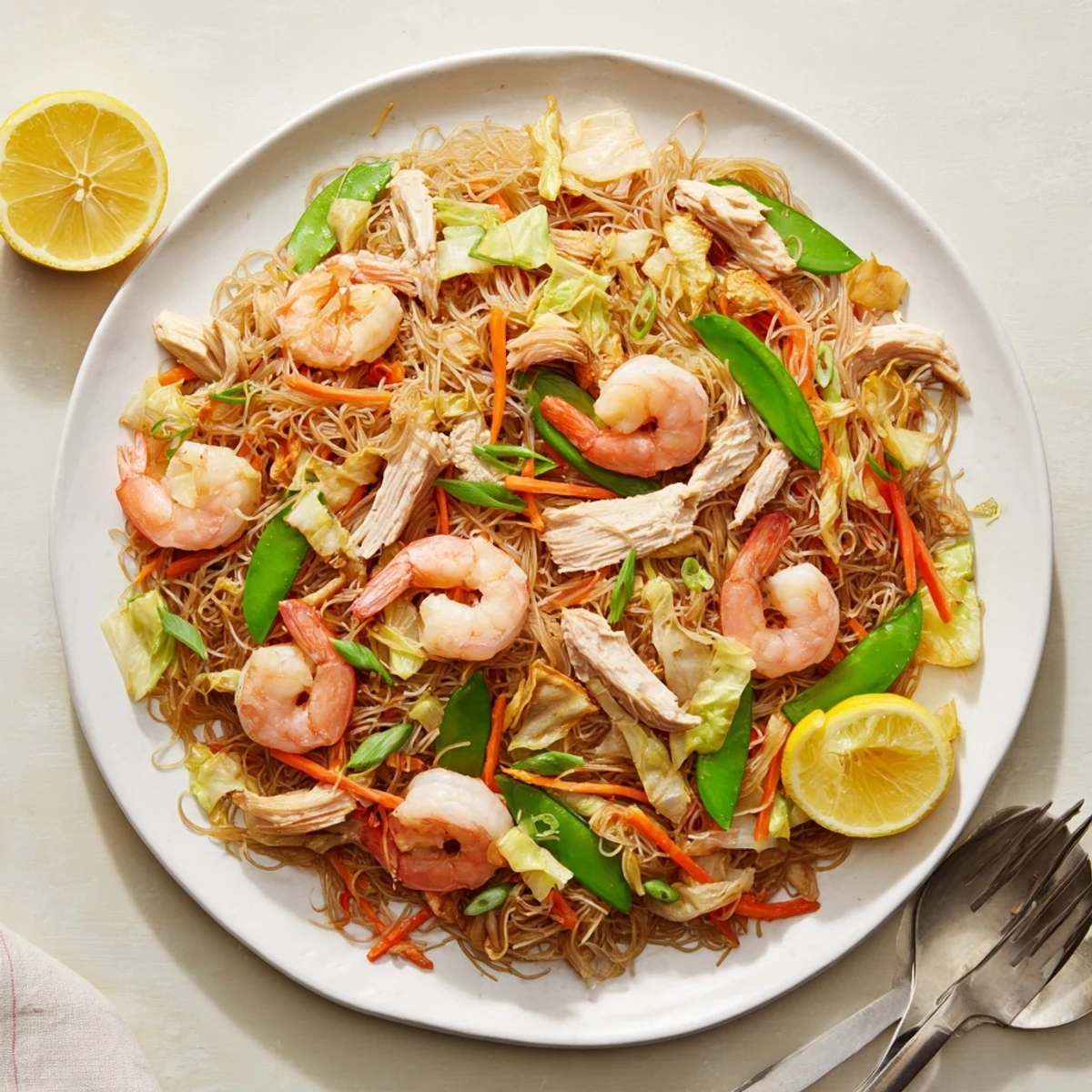
 This classic Filipino dish features delicate rice vermicelli noodles stir-fried with succulent chicken, plump shrimp, and colorful vegetables like carrots, cabbage, and snow peas. The noodles absorb a savory sauce made from soy, oyster sauce, and aromatic chicken broth, creating umami-rich strands coated in flavor. Garlic and onions form the aromatic base, while fresh scallions and citrusy calamansi wedges brighten each serving. Perfect for family gatherings or special occasions, this hearty noodle dish delivers satisfying textures and authentic Filipino flavors in every bite.
The first time I watched my aunt make pancit, I was mesmerized by how everything happened so fast in her wok. She never measured anything, just instinctively knowing when the noodles had soaked up enough sauce. It took me years of slightly soggy attempts to understand that rhythm comes from practice, not recipes.
I made this for my daughters birthday last year when she requested something Filipino for her school potluck. Watching her classmates line up for seconds, some even asking for the recipe afterward, made me realize how food truly bridges cultures without saying a word.
Ingredients
- Bihon rice noodles: These thin rice noodles are delicate and soak up sauce beautifully, so dont over soak them or theyll turn mushy
- Chicken breast: Thinly slicing against the grain ensures tender pieces that cook quickly and stay juicy
- Shrimp: They add sweetness and a pop of color, but cook them just until pink to avoid rubbery texture
- Garlic and onion: The foundation of Filipino cooking, sauté them until fragrant but not burnt
- Carrots and cabbage: These bring crunch and sweetness, creating that perfect textural contrast
- Soy sauce: Use a good quality brand, it provides that essential umami backbone
- Chicken broth: Homemade is best, but a good store bought brand works perfectly fine
- Calamansi or lemon: This bright acid cuts through the richness and brings everything together
Instructions
- Prep those noodles:
- Soak the bihon in warm water for about 10 minutes until pliable but still with some bite, then drain well and set aside
- Build your flavor base:
- Heat oil in your wok over medium high heat, sauté garlic and onion until translucent and fragrant, about 2 minutes
- Cook the proteins:
- Add chicken first, stir fry until lightly browned and cooked through, then toss in shrimp until just pink, remove both and set aside
- Stir fry the vegetables:
- In the same hot pan, add carrots, cabbage, and snow peas, cook for 2 to 3 minutes until tender crisp
- Make the sauce:
- Return chicken and shrimp to the pan, pour in soy sauce, oyster sauce, fish sauce, and chicken broth, bring to a gentle simmer
- Combine everything:
- Add the drained noodles, use tongs to gently toss and coat everything, letting the noodles absorb the sauce for 3 to 4 minutes
- Season and serve:
- Taste and adjust with pepper, then transfer to a platter and top with fresh scallions and calamansi wedges
 Pin it
 After my grandmother passed, I found her handwritten recipe card stained with years of soy sauce splatters. Her secret was adding a pinch more sugar than anyone else did, something I only discovered when I tasted her version side by side with mine at a family gathering.
Getting The Noodle Texture Right
The most common mistake is over soaking the rice noodles before they even hit the wok. I learned to test them every minute after the 5 minute mark, looking for that sweet spot where theyre pliable but still have a slight snap when bent.
Building Layers of Flavor
Adding the soy sauce mixture to the pan before the noodles lets it reduce slightly and concentrate. This step is what gives restaurant quality pancit its glossy finish and deeper flavor that develops in the pan.
Make It Your Own
My cousin adds bell peppers for color, while another swears by a splash of sesame oil at the very end. The beauty of pancit is how forgiving it is once you understand the basics.
- Try adding sliced mushrooms for extra umami
- A handful of baby spinach at the end adds nutrition
- Crushed chilies on the side let heat lovers customize
 Pin it
 Theres something deeply satisfying about hearing sizzling vegetables and smelling garlic hitting hot oil. Pancit isnt just dinner, its a celebration on a plate.
Recipe FAQs
- → What makes Pancit Bihon different from other noodle dishes?
-
Pancit Bihon features thin rice vermicelli noodles that absorb the savory sauce beautifully, creating a dish where every strand is packed with flavor from the soy-based seasoning, aromatics, and proteins.
- → How do I prevent the noodles from becoming mushy?
-
Soak the bihon noodles in warm water just until softened—about 10 minutes—then drain thoroughly. Avoid over-soaking, and cook them just long enough to absorb the sauce and heat through, typically 3-4 minutes.
- → Can I prepare this dish ahead of time?
-
Yes, you can prep all ingredients in advance. However, for best texture, cook and serve immediately. If storing leftovers, the noodles will continue absorbing liquid, so you may need to splash in additional broth when reheating.
- → What vegetables work best in Pancit Bihon?
-
Classic choices include julienned carrots, shredded cabbage, and snow peas for their crunch and color. You can also add bell peppers, celery, or green beans depending on what's available and your preference.
- → Is there a vegetarian version of this dish?
-
Absolutely. Substitute the chicken and shrimp with firm tofu cubes and use vegetable broth instead of chicken broth. The vegetables and seasoning remain the same, delivering the same savory experience without animal proteins.
- → What's the purpose of calamansi wedges?
-
Calamansi, a small citrus fruit native to the Philippines, provides a bright, acidic contrast to the rich, savory noodles. Squeezing fresh citrus over the dish right before eating balances the flavors and adds refreshing notes.