
 Pin it
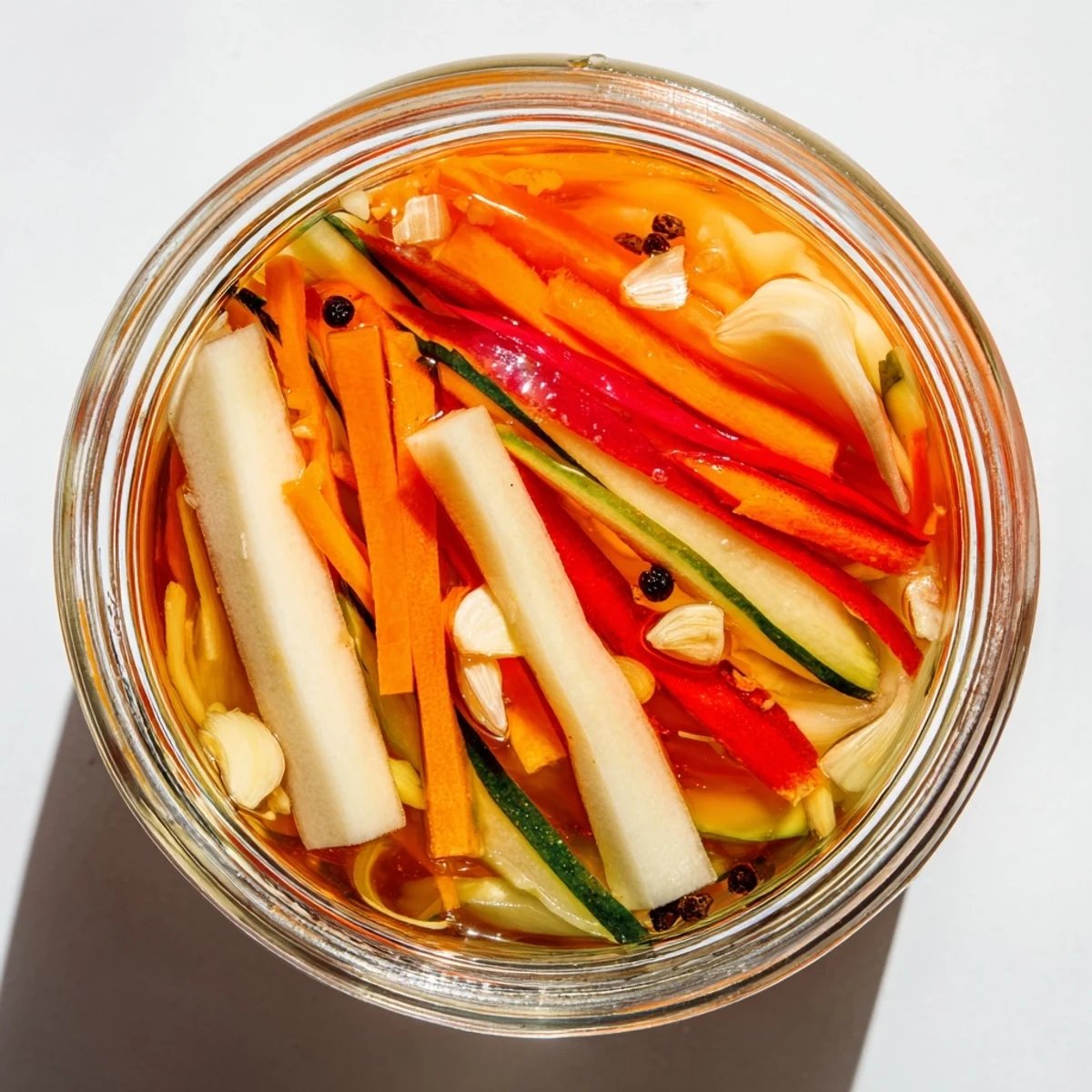
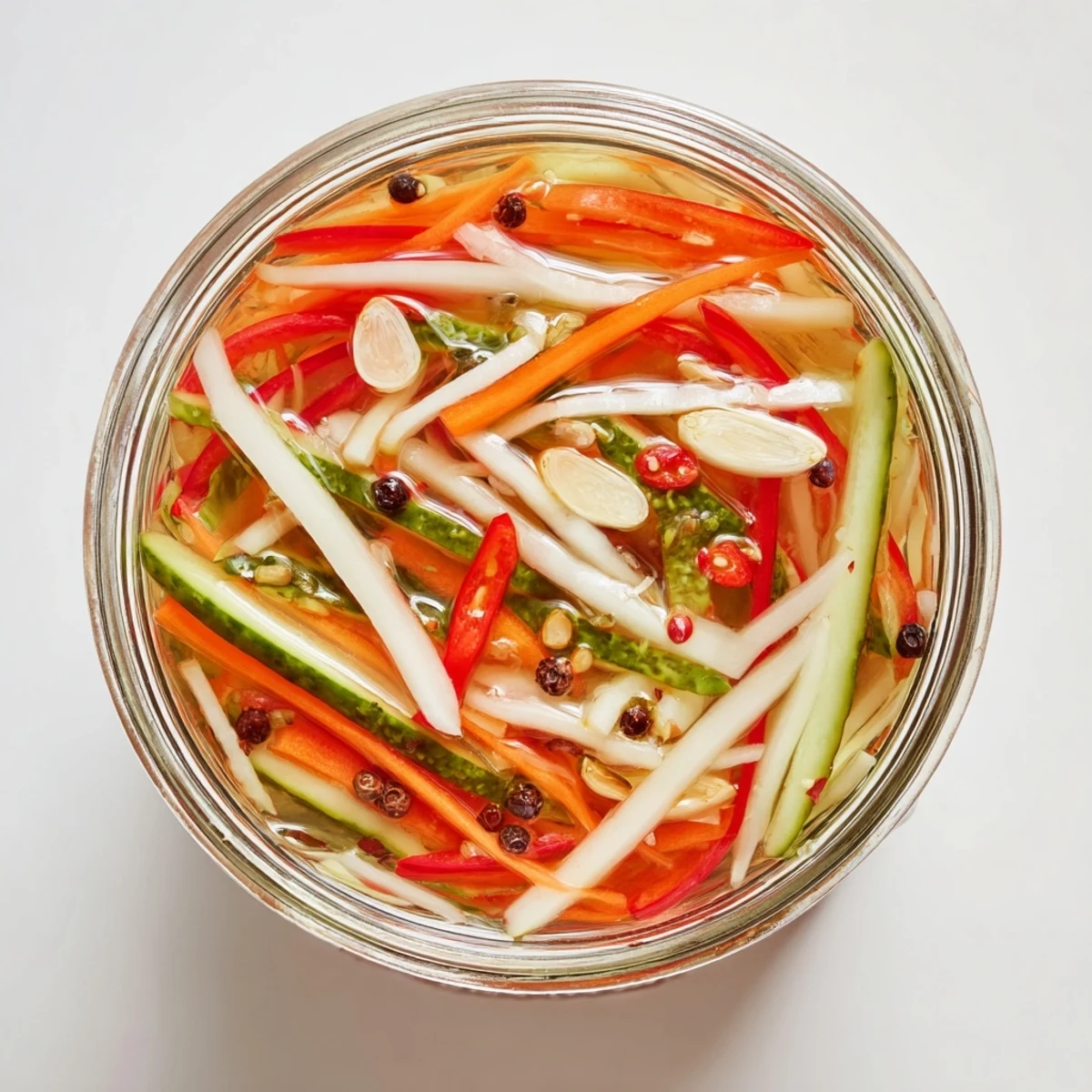
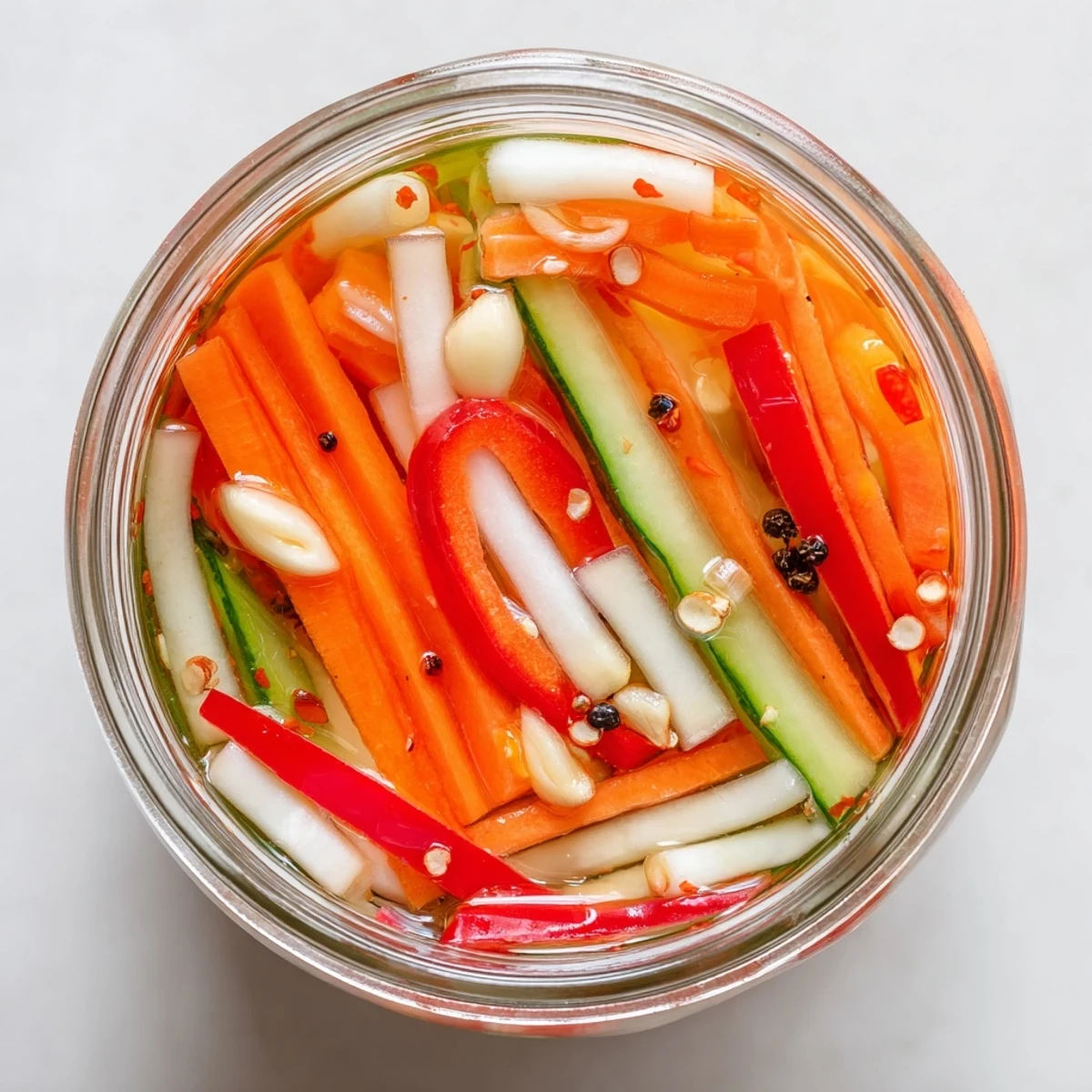
 This colorful medley combines crisp daikon radish, carrots, cucumber, and bell pepper in a traditional Vietnamese brine. The quick-pickling method creates vegetables that retain their satisfying crunch while absorbing sweet, tangy, and savory notes. After just 2 hours of marinating, these versatile pickles are ready to elevate everything from banh mi sandwiches to rice bowls and grilled meats. The balance of rice vinegar, sugar, and salt creates that authentic Vietnamese flavor profile that pairs beautifully with rich, spicy dishes.
The first time I made these pickles, my tiny apartment kitchen smelled like a street corner in Hanoi. I was obsessed with banh mi after a memorable food truck visit, but the jarred pickles from the grocery store never captured that same crisp brightness. So I started experimenting with ratios of vinegar to sugar until I found the perfect sweet-tangy balance. Now these live in my fridge constantly, transforming everything from plain rice bowls to leftover roast chicken into something special.
Last summer, my friend Sarah came over for what was supposed to be an elaborate dinner party. I got distracted and spent all afternoon making these pickles instead of the main course. We ended up eating them with crusty bread, cheese, and wine on the back porch. Sarah still talks about that pickle dinner more fondly than any elaborate meal I have actually planned.
Ingredients
- Daikon radish: This mild winter radish provides the foundation and stays satisfyingly crunchy even after days of pickling
- Carrots: Their natural sweetness balances the sharp vinegar and adds beautiful orange color to the mix
- Cucumber: Contributes freshness and a lighter texture that prevents the pickle medley from feeling too dense
- Rice vinegar: The gentle acidity creates authentic Vietnamese flavor without overwhelming the vegetables
- Granulated sugar: Essential for that characteristic sweet-tangy profile that makes these pickles so addictive
Instructions
- Prepare your vegetables:
- Cut the daikon and carrots into matchsticks about the size of your pinky finger. Slice the cucumber and bell pepper into thin strips. This uniform cutting ensures everything pickles at the same rate and looks beautiful in the jar.
- Optional salt treatment:
- Toss your vegetables with a tablespoon of salt and let them sit for 15 minutes to draw out excess moisture. Rinse thoroughly and pat dry. This extra step is worth it if you want serious, restaurant-quality crunch.
- Create the brine:
- Combine rice vinegar, water, sugar, and salt in a small saucepan over medium heat. Stir until the sugar and salt completely disappear into the liquid. Remove from heat and let it cool completely to room temperature.
- Assemble your jar:
- Layer the vegetables, chilies, garlic slices, and peppercorns into a clean 1-quart jar. Pack them down firmly so there are no large air pockets. Pour the cooled brine over everything until completely submerged.
- Patient waiting game:
- Seal the jar and refrigerate for at least 2 hours before tasting. They get better with time and reach peak flavor after an overnight rest. Keep them submerged in brine and they will stay fresh for up to two weeks.
 Pin it
 My now-husband tried to impress me early in our dating life by making banh mi from scratch. His bread was decent and the tofu was fine, but those store-bought pickles were sadly lackluster. I casually mentioned my grandmother is method, and he still claims that pickle lesson was the most valuable cooking tip he has ever received. We joke these pickles are the real reason we got married.
Making It Your Own
The beauty of this recipe lies in its adaptability. I have added green beans during summer for extra snap, cauliflower florets in winter when I want something more substantial, and even thin slices of kohlrabi when my farmers market vendor talked me into trying it. The brine ratio works beautifully with almost any crisp vegetable you have on hand.
Perfect Pairings
Beyond the obvious banh mi applications, these pickles elevate so many dishes. I chop them and mix into warm grain bowls for instant brightness, serve alongside rich braised meats to cut through the fat, or pile them onto avocado toast for breakfast. They also make an unexpected addition to cheese boards, adding a crunchy, acidic element that pairs surprisingly well with soft cheeses like brie or fresh goat cheese.
Batch Cooking Wisdom
Once you start making these pickles regularly, you will develop your own rhythm. I now double the brine recipe and keep a jar in the fridge at all times. The vegetable prep is meditative work I actually enjoy, and there is something deeply satisfying about reaching into the fridge and having that bright crunch ready to transform whatever I am cooking.
- Use a mandoline if you want perfectly uniform matchsticks in half the time
- Save the brine after the vegetables are gone and use it to pickle a fresh batch
- These make excellent hostess gifts packed in pretty jars with handwritten labels
 Pin it
 Every time I open the refrigerator and see that jar glowing with colorful vegetables, I feel a small spark of joy. These pickles have turned countless last-minute meals into something memorable, and they might just do the same for you.
Recipe FAQs
- → How long do these Vietnamese pickled vegetables last?
-
These quick-pickled vegetables stay fresh in the refrigerator for up to 2 weeks when stored in a sealed jar. For the best flavor and texture, consume within the first week. The vegetables will gradually soften over time but remain tasty.
- → Can I adjust the sweetness or tanginess?
-
Absolutely. Increase sugar for a sweeter profile or add more rice vinegar for extra tanginess. The classic Vietnamese balance is roughly equal parts vinegar and water with half that amount in sugar. Taste the brine before pouring to customize to your preference.
- → What vegetables work best in this medley?
-
Daikon and carrots are traditional, but cucumber, bell pepper, and green beans also work beautifully. For winter variations, try cauliflower or jicama. The key is cutting vegetables into uniform julienne strips for even pickling.
- → Why pre-salt the vegetables before pickling?
-
Salting draws out excess moisture from the vegetables, which helps maintain their crisp texture during pickling. This step also reduces any bitterness from daikon or carrots. If you're short on time, you can skip it, but the final texture won't be as crunchy.
- → How soon can I eat these pickles?
-
These quick-pickled vegetables are ready to enjoy after just 2 hours of refrigeration. However, for the most developed flavor, let them marinate overnight. The vegetables continue to absorb the brine, becoming more flavorful with each passing day.
- → Can I make these without a jalapeño?
-
Certainly. The chilies are optional and add mild heat. For a completely mild version, omit them entirely. If you enjoy spice, leave the seeds in for more heat or remove them for just a subtle warmth.