
 Pin it
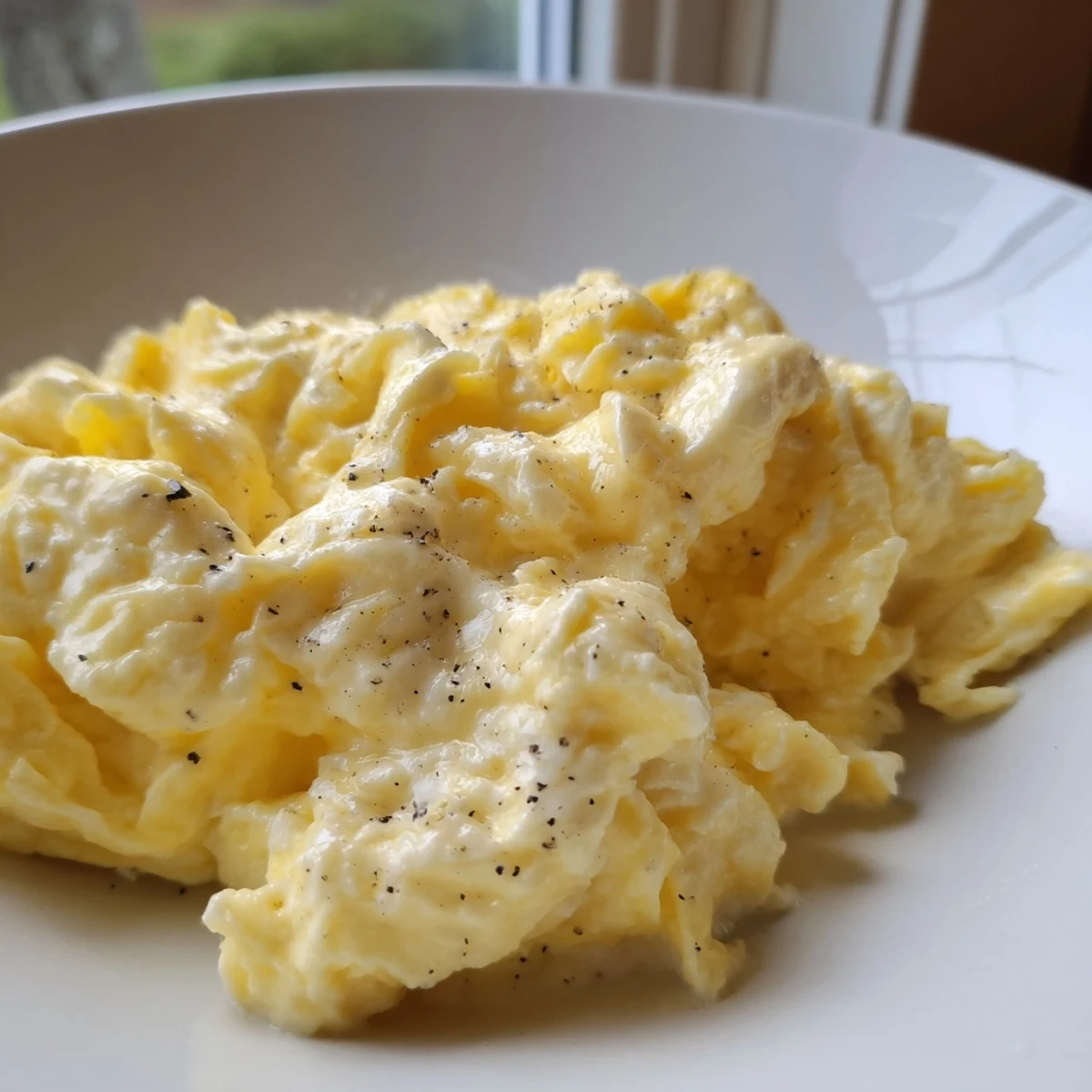
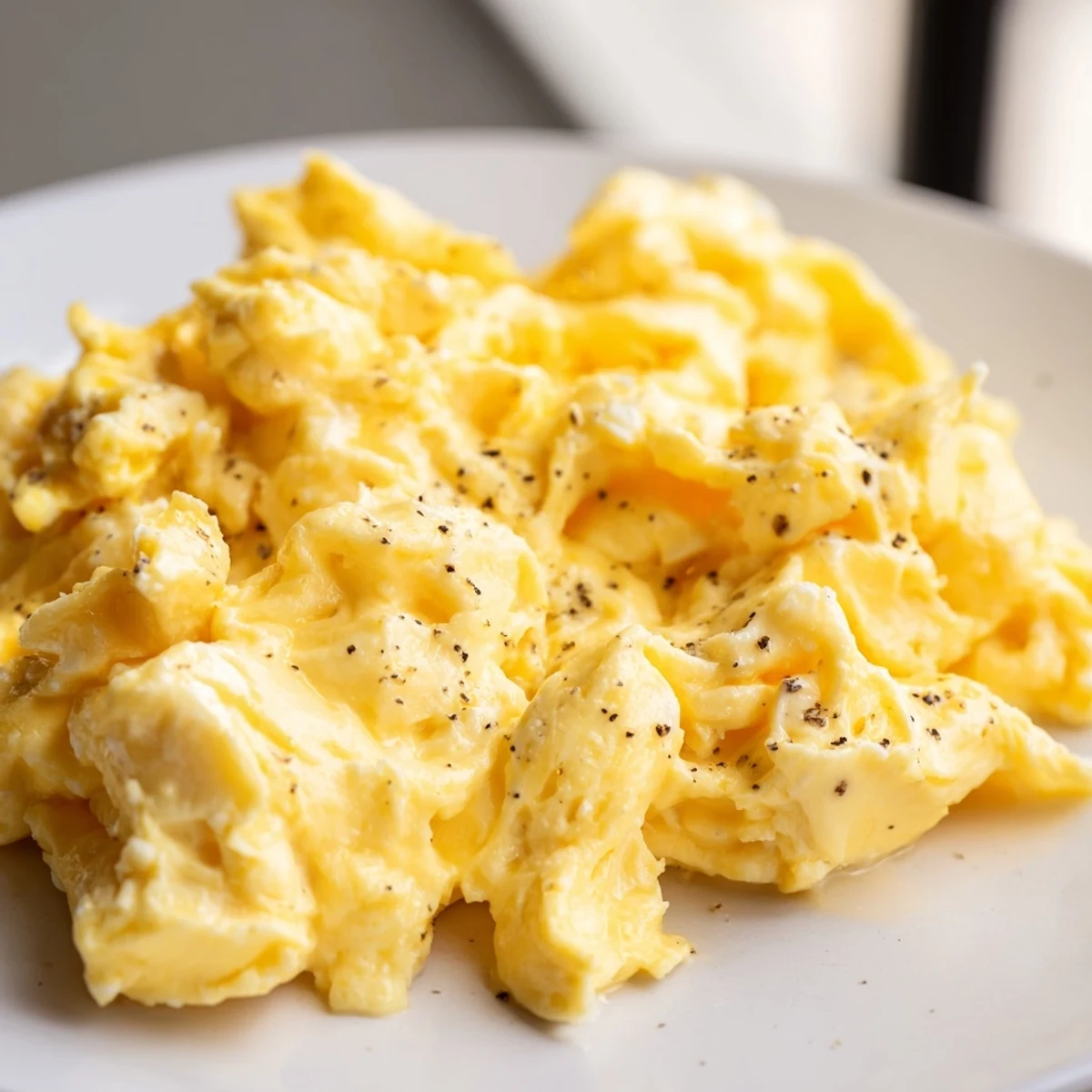
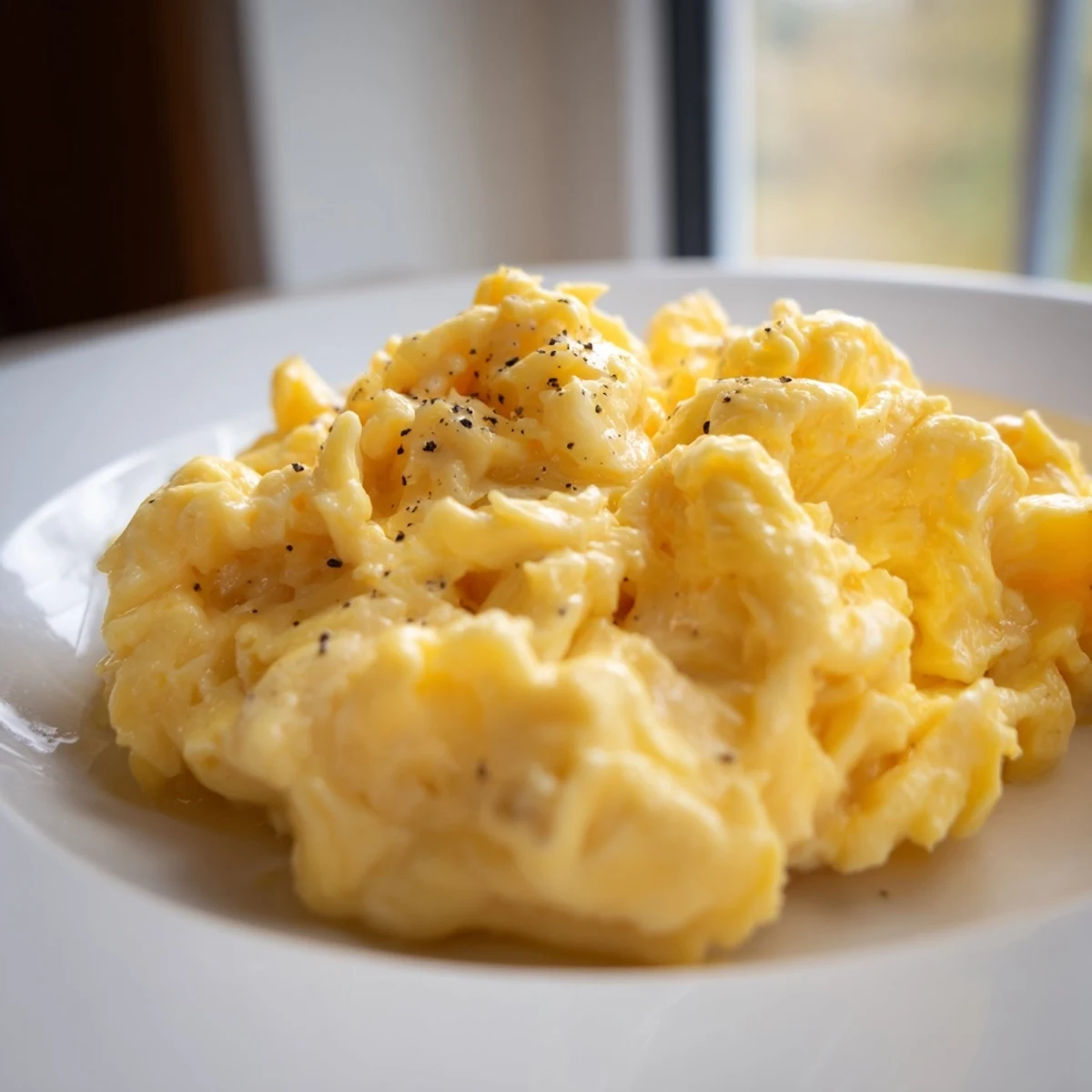
 These scrambled eggs deliver restaurant-quality creaminess with just four basic ingredients. The secret lies in cooking over gentle medium-low heat and using gentle folding motions to create soft, tender curds. Whole milk or cream adds richness, while proper timing ensures the eggs remain moist and velvety rather than dry or rubbery.
The entire process takes only 10 minutes from start to finish, making this an ideal choice for busy weekday mornings or relaxed weekend brunch. Customization options abound—try adding fresh herbs, grated cheese, or sautéed vegetables to suit your taste preferences. Serve alongside buttered toast, sliced avocado, or smoked salmon for a complete, satisfying breakfast.
My roommate in college used to make scrambled eggs every single morning, and I watched from the doorway, half-amazed that anyone could be that consistent. She taught me that great scrambled eggs are about patience and low heat—skills I am still learning decades later. Now they are my go-to when I need something comforting but do not want to think too hard.
Last Sunday I made these for my sister after she arrived on an early flight, still half-asleep with her luggage in the hall. She took one bite and said these were exactly like the ones we had at that bed and breakfast in Vermont years ago. Sometimes the simplest dishes hold the strongest memories.
Ingredients
- 4 large eggs: Fresh eggs produce fluffier curds, so check the date if you can
- 2 tbsp whole milk or cream: Cream adds richness but milk keeps it lighter
- 1 tbsp unsalted butter: Butter provides the best flavor and helps prevent sticking
- 1/4 tsp salt: Salt enhances the natural sweetness of the eggs
- 1/8 tsp freshly ground black pepper: Freshly ground pepper makes a noticeable difference
Instructions
- Whisk your eggs:
- Crack eggs into a bowl and whisk with milk, salt, and pepper until frothy
- Melt the butter:
- Heat butter in a nonstick skillet over medium-low until gently bubbling
- Start cooking:
- Pour in the egg mixture and let the edges just begin to set
- Form soft curds:
- Gently push eggs from edges toward center with a spatula
- Finish carefully:
- Cook until just set but still creamy, then remove immediately from heat
 Pin it
 These became a weekend tradition during those months when everyone seemed to be going through something difficult. We would gather around the small kitchen table, plates balanced on knees, and talk about everything and nothing while the steam still rose from our plates.
Making Them Your Own
I have learned that scrambled eggs are the perfect canvas for whatever needs using up in the refrigerator. A handful of fresh chives from the windowsill, some grated cheddar from the back of the cheese drawer, or even last nights roasted vegetables can transform this simple dish.
Choosing Your Pan
Nonstick pans make the cleanup effortless but a well-seasoned cast iron skillet can produce beautifully golden curds. The key is using a pan you trust, where you know exactly how the heat distributes. That confidence shows up in the final dish.
Timing Is Everything
The eggs continue cooking after you remove them from the pan, which is why that moment of taking them off the heat matters so much. I keep toast nearby and ready to go, plates warmed if I remember, so everything lands on the table together.
- Have your ingredients measured before you start cooking
- Warm your plates in the oven if possible
- Serve immediately—these eggs do not improve with time
 Pin it
 Perfect scrambled eggs are one of those quiet skills that make a kitchen feel like home. Enjoy every creamy bite.
Recipe FAQs
- → What makes scrambled eggs creamy?
-
Creamy scrambled eggs come from adding dairy like milk or cream, cooking over low heat, and removing them from the pan while still slightly moist. The gentle folding technique creates soft curds rather than dry, rubbery pieces.
- → Should I use milk or cream in scrambled eggs?
-
Both work beautifully. Whole milk creates lighter eggs, while heavy cream yields richer, more decadent results. Choose based on your preference—cream produces extra velvety textures perfect for special occasions.
- → Why are my scrambled eggs rubbery?
-
Rubbery eggs typically result from high heat or overcooking. Cook over medium-low heat and remove from the pan when they still look slightly underdone. The residual heat finishes them to perfect creaminess.
- → Can I make scrambled eggs ahead of time?
-
For best texture, serve immediately after cooking. However, you can gently reheat refrigerated leftovers over low heat with a small pat of butter. The texture won't be quite as creamy but remains enjoyable.
- → What seasonings work well in scrambled eggs?
-
Beyond salt and pepper, try fresh chives, parsley, dill, or tarragon. Grated cheeses like cheddar, gruyère, or Parmesan melt beautifully. A dash of hot sauce or paprika adds pleasant depth.
- → How do I get fluffy scrambled eggs?
-
Whisk eggs thoroughly until slightly frothy to incorporate air. Let the mixture sit briefly before cooking, then use gentle folding motions rather than vigorous stirring. This preserves air pockets for that desired fluffy texture.