
 Pin it
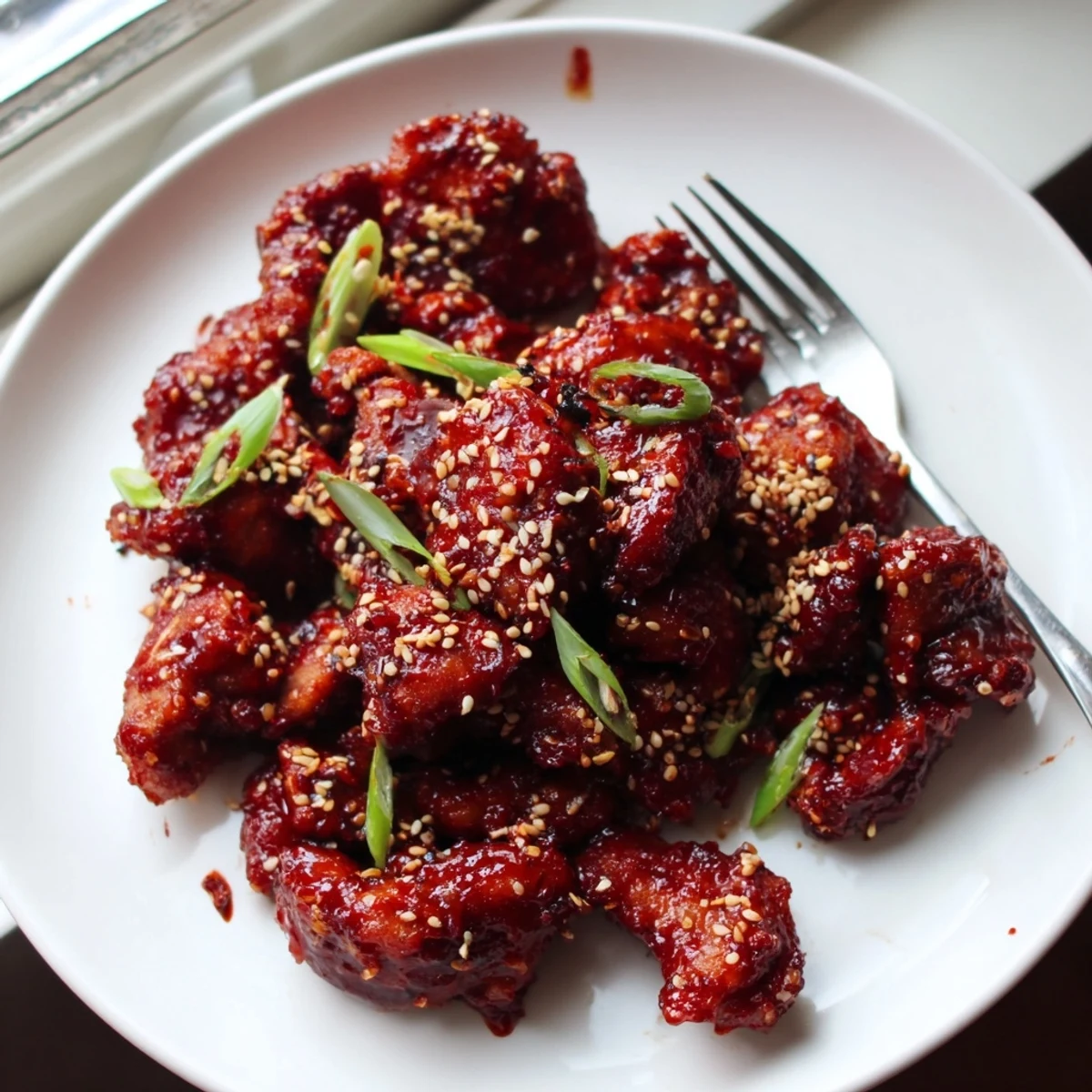
 This Korean-inspired gochujang chicken brings together succulent boneless thighs and a rich, umami-packed glaze made from gochujang paste, soy sauce, honey, and sesame oil.
The chicken marinates briefly then sears in a hot skillet until deeply caramelized and sticky. A scattering of toasted sesame seeds and sliced spring onion finishes each serving.
Ready in about 40 minutes, it's a straightforward weeknight dinner that delivers big, bold flavors with minimal effort. Serve over steamed white rice with a side of vegetables for a complete meal.
The sizzle of chicken hitting a screaming hot pan on a Tuesday evening changed my weeknight cooking forever. I had a tub of gochujang sitting in the back of my fridge, half forgotten after a misguided attempt at kimchi that never quite fermented right. That little red container became the most used ingredient in my kitchen, and this chicken is the reason why.
My neighbor Dave knocked on my door one evening asking if I was burning something, because the smell drifting through the hallway was that intense. I handed him a plate over the fence and ten minutes later he was texting me for the recipe.
Ingredients
- 800 g boneless skinless chicken thighs: Thighs stay juicy even if you accidentally overcook them a minute too long, which I have done more times than I care to admit.
- 3 tbsp gochujang: The soul of this dish, offering deep fermented heat that builds slowly rather than punching you in the face.
- 2 tbsp soy sauce: Brings salt and umami, anchoring the sweetness of the honey.
- 2 tbsp honey: Helps the sauce caramelize into those gorgeous charred edges.
- 1 tbsp rice vinegar: A small splash of acidity that lifts everything and keeps the sweetness honest.
- 1 tbsp sesame oil: Toasted sesame oil adds a nutty aroma that makes the whole kitchen smell like a Korean barbecue joint.
- 3 cloves garlic minced: Fresh garlic only, the jarred stuff cannot compete here.
- 1 tbsp ginger grated: Grate it fine so it melts into the sauce rather than leaving chewy bits.
- 1 tsp toasted sesame seeds: For crunch and a finishing touch that makes it look restaurant worthy.
- 1 spring onion thinly sliced: A fresh sharp contrast sprinkled on at the very end.
- Cooked white rice or steamed vegetables for serving: You need something to soak up every last drop of that sauce.
Instructions
- Build the sauce:
- In a large bowl, whisk together the gochujang, soy sauce, honey, rice vinegar, sesame oil, garlic, and ginger until smooth and fragrant. Taste it on the tip of a spoon and adjust if you want it sweeter or spicier.
- Marinate the chicken:
- Toss the chicken pieces into the bowl and use your hands to coat every piece thoroughly. Let it sit for at least ten minutes, though two hours in the fridge makes a noticeable difference.
- Get the pan screaming hot:
- Preheat a large skillet or grill pan over medium high heat until a drop of water sizzles and evaporates instantly. A hot pan is what gives you those beautifully charred edges.
- Cook until caramelized:
- Spread the chicken in a single layer without crowding and cook for six to eight minutes per side until deeply glazed and cooked through. Do not fuss with it too much, let the Maillard reaction do its work.
- Finish and serve:
- Pull the pan off the heat, shower with sesame seeds and sliced spring onion, and serve immediately over steamed rice or alongside whatever vegetables you have.
 Pin it
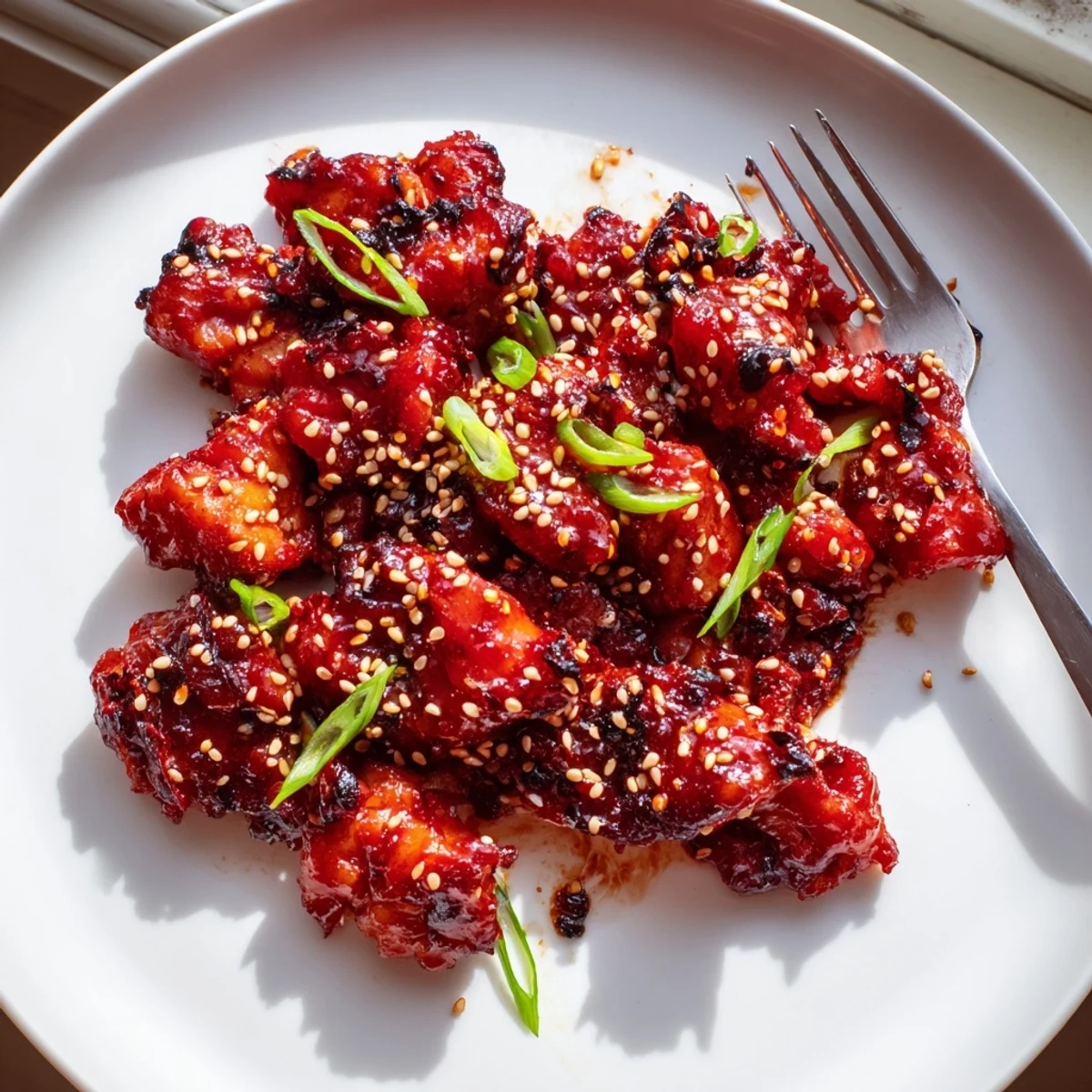
 I made this for a friend who claimed she did not like spicy food, and she cleaned her plate before I even sat down to eat.
How to Handle the Heat
If you are new to gochujang, start with two tablespoons instead of three and see how it feels on your palate. The beauty of this paste is that the heat is rounded and fermented rather than sharp, so it wins people over gently.
Making It Your Own
Chicken thighs are forgiving, but breast meat works too if you reduce the cooking time by a couple of minutes and watch closely. I have even tossed firm tofu cubes in the same marinade with surprisingly good results on nights when meat was not happening.
What to Serve Alongside
Steamed bok choy with a splash of soy sauce and a quick cucumber salad dressed with sesame oil are my go to sides. The cool crunch balances the sticky heat of the chicken perfectly.
- Keep cooked rice warm and ready before the chicken comes off the stove because you will not want to wait.
- A cold beer or sparkling water with lime cuts through the richness like nothing else.
- Leftovers make an incredible next day lunch tossed into a bowl with whatever greens are in the fridge.
 Pin it
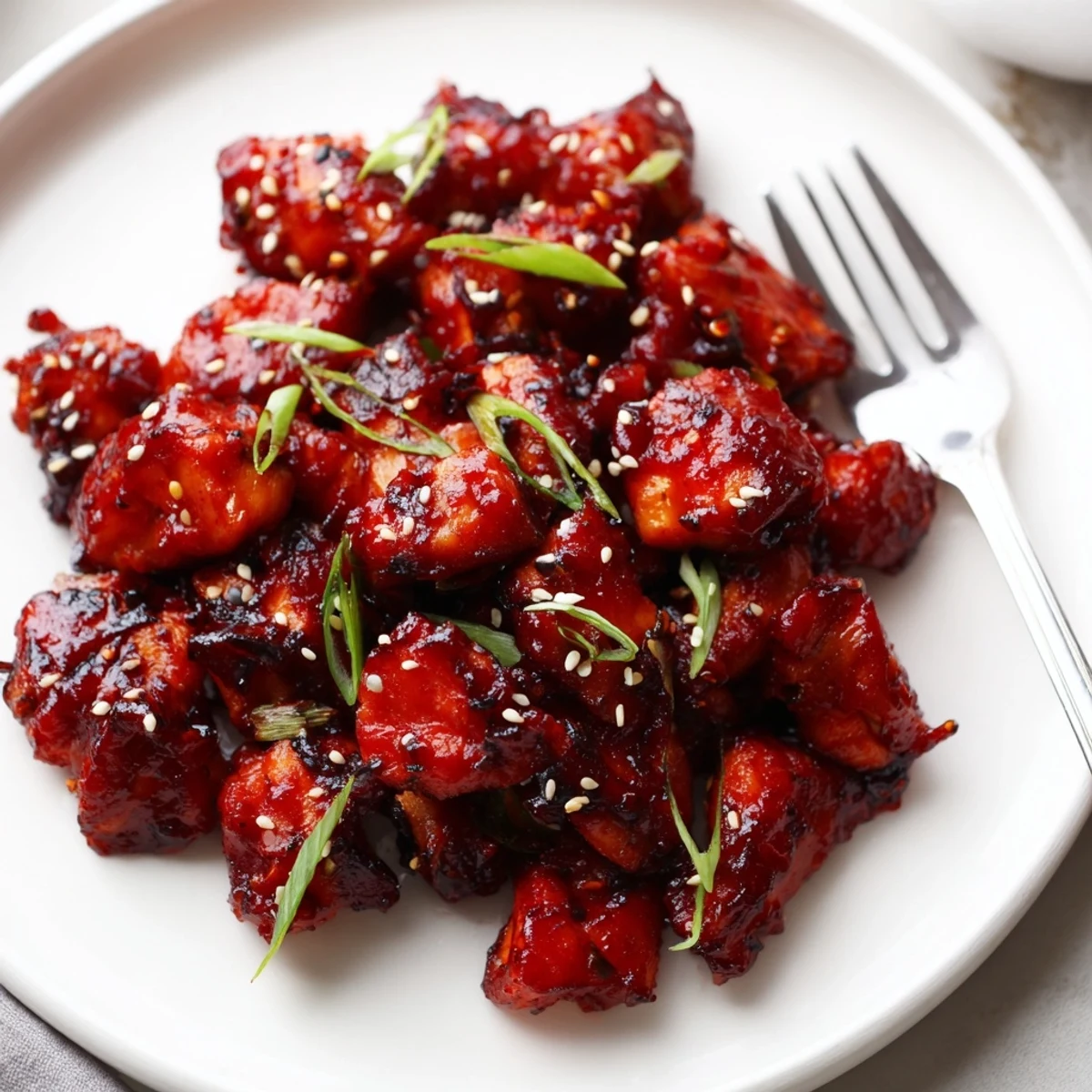
 Some recipes become staples because they are easy, and others earn their spot because they make people happy at the table. This one does both without even trying.
Recipe FAQs
- → What does gochujang taste like?
-
Gochujang is a fermented Korean red chili paste with a complex flavor profile. It delivers heat balanced by natural sweetness and deep umami richness, making it ideal for marinades and glazes.
- → Can I use chicken breasts instead of thighs?
-
Yes, chicken breasts work as a leaner alternative. Reduce the cooking time slightly since breasts cook faster and can dry out more easily. Aim for an internal temperature of 165°F (74°C).
- → How long should I marinate the chicken?
-
A minimum of 10 minutes is enough for the flavors to adhere. For deeper penetration, marinate up to 2 hours in the refrigerator. Avoid going beyond that as the soy sauce can make the texture mushy.
- → Is this dish very spicy?
-
The heat level is moderate thanks to the gochujang, which is more savory than fiercely hot. For extra spice, stir a teaspoon of gochugaru (Korean chili flakes) into the marinade.
- → What sides go well with gochujang chicken?
-
Steamed white rice is the classic pairing to soak up the sticky glaze. Steamed bok choy, a crisp cucumber salad, or quick-pickled radishes add refreshing contrast to the rich, bold flavors.
- → Can I make this gluten-free?
-
Absolutely. Swap regular soy sauce for tamari or a certified gluten-free soy sauce. Double-check the gochujang label as some brands contain wheat-based thickeners.